

This week some charming, humble feathered friends have shown up right on time with the first snowflakes of winter. It’s the little snowbirds (Dark-Eyed Juncos). My first acquaintance with the snowbird was from Anne Murray’s classic hit, “Snowbird.” When was that? Oh, around 1970. I love the up-tempo tune and her husky voice describing a little bird. It took years to realize the melody played counterpoint to a sad story. Today, I’ll look at the Junco through the iconic lyrics of “Snowbird”, celebrating a common little visitor that we all know and love.
To start us off, here’s Anne Murray in the 70’s. Check out the outfit!
The Snowbird
The song, “Snowbird”, took flight on Prince Edward Island, inspired by songwriter Gene MacLellan observing snow buntings. These birds, like our Junco, are also nicknamed “snowbirds.” MacLellan was struck by their freedom, musing on how easy life would be if people could simply “fly away” when faced with difficult times. Anne Murray famously shared, “Gene told me he wrote [‘Snowbird’] in twenty minutes,” a remarkable feat for such a timeless hit. Since snow buntings are uncommon in many areas, we appreciate our familiar Dark-eyed Junco, which shares that same resilient, cold-weather spirit that inspired the song.
Below Left: Dark-eyed Junco Below Right: Snow Bunting

That line truly sets the scene for our winter friend! That is exactly where you’ll find the Dark-eyed Junco. We affectionately call them “Snowbirds” because they herald the arrival of cold, snowy weather, appearing just as the flakes start to fall.
The common eastern variety, the Slate-colored Junco, embodies the season perfectly. Its plumage has been described as having the color of “leaden skies above, snow below.” The dark-gray head and back contrasts sharply with its white belly. They are incredibly hardy, boasting over 30% more feathers by weight in the winter than they do in the summer to help them handle the chill. They often scratch right through a light layer of snow to find fallen seeds. I call it the “Snowbird Shuffle”.
The Junco brings its own unique sounds to the winter soundscape. Their most frequently heard vocalization isn’t a complex tune but a sharp, high-pitched “tsik” or “smack” call, used for communication within their tight-knit winter flocks as they forage. Truthfully, black-and-white type will never do justice to any kinds of bird chatter. Click here to hear snowbird sounds.

The Dark-eyed Junco is a small bird, about 5 to 6.5 inches long with a wingspan of around 9 inches. This is very compact, even for a songbird. Compare a snowbird’s wings to medium birds like the Osprey (5.5 to 6-foot wingspan) and large birds like the Sandhill Crane (6.5 to 7 feet). it’s immediately clear how different their flight must be! The larger birds rely heavily on soaring. Juncos must flap most of the way in their characteristic bounding flight pattern. Nevertheless, their tiny wings carry them effectively up to several hundred miles between their northern breeding grounds and southern wintering grounds.
This lyric marks the completion of a seasonal exchange. These little birds truly are the harbingers of winter, appearing in the fall often just ahead of the first snow. It’s a harbinger of winter much like the robin is a classic sign of spring’s return. When the warmer weather finally arrives, our beloved “Snowbirds” begin their own journey, migrating northward or upslope to their breeding grounds. As they spread their tiny wings and leave us for the season, they seem to symbolically carry the winter away, completing the cycle until their predictable return the following fall.

2. Juncos are ground foragers and will spend as much as 65% of their time on the ground. This means they’ll eat food
from under your feeder. They may use feeders more often during heavy snow when food is scarce.
3. Juncos practice an interesting foraging method called “riding.” They fly up to a seed cluster on the top of a grass
stem and “ride” it to the ground where they pick off the seeds while standing on it.
4. The oldest recorded Dark-eyed Junco was at least 11 years, 4 months old when it was recaptured and rereleased
during banding operations in West Virginia in 2001. It had been banded in the same state in 1991.

This little sparrow, with its compact wings and resilient spirit, is our reliable herald of winter. Thank you for celebrating the season with me and our hardy little Slate-colored Snowbird—the most faithful and charming visitor to our winter landscape.
If you’ve smiled at the whimsical snowbird photography, be sure to visit AzarElGreetings.com. I create little scenes for the birds and smile at all their antics as I photograph them. Any of the photos in this article may be requested by emailing Donna@AzarElGreetings.com. Stay tune! I never know what the birds are going to do next!

Wild Birds Unlimited
Fun Facts About Juncos
All About Birds
Dark-Eyed Junco Identification
Birds and Blooms
Meet the Snowbirds: 8 Cool Facts About Junco Birds
Audubon
Dark-eyed Junco
Cornell Lab: All About Birds
Dark-eyed Junco
Wikipedia
Snowbird (song)


Giclée Canvas print, 20” x 30”
Original Photography, printed and hand stretched by AzarÉl Greetings.
Click here to see how our canvas prints are made.
| 1000 Left in Stock | ||
Giclée Canvas print, 16” x 24”
Original Photography, printed and hand stretched by AzarÉl Greetings.
Click here to see how our canvas prints are made.
| 3000 Left in Stock | ||

Original Photography

Original Photography
Giclée Canvas print, 16” x 24”
Original Photography, printed and hand stretched by AzarÉl Greetings.
Click here to see how our canvas prints are made.
| 3000 Left in Stock | ||
Giclée Canvas print, 20” x 30”
Original Photography, printed and hand stretched by AzarÉl Greetings.
Click here to see how our canvas prints are made.
| 3000 Left in Stock | ||

Original Photography

Original Photography
Giclée Canvas print, 20” x 30”
Original Photography, printed and hand stretched by AzarÉl Greetings.
Click here to see how our canvas prints are made.
| 3000 Left in Stock | ||

Giclée Canvas print, 20” x 30”
Original Photography, printed and hand stretched by AzarÉl Greetings.
Click here to see how our canvas prints are made.
| 3000 Left in Stock | ||
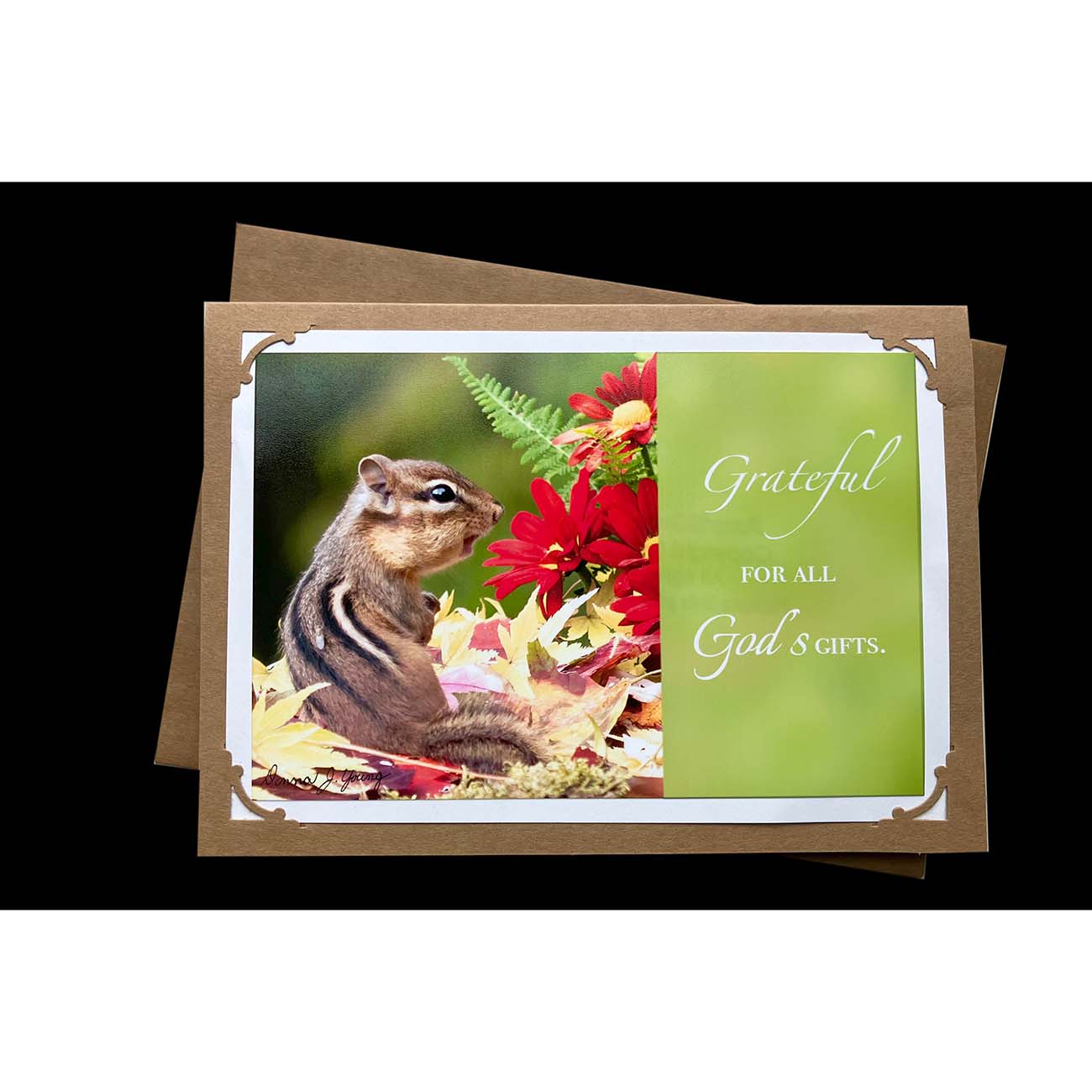
Original Photography
| 999 Left in Stock | ||


Giclée Canvas print, 20” x 30”
Original Photography, printed and hand stretched by AzarÉl Greetings.
Click here to see how our canvas prints are made.
| 3000 Left in Stock | ||

Original Photography
Giclée Canvas print, 16” x 24”
Original Photography, printed and hand stretched by AzarÉl Greetings.
Click here to see how our canvas prints are made.
| 3000 Left in Stock | ||