

The journey to Shenk’s Ferry Wildflower Preserve begins with a bumpy adventure! You even get to dive in and out of an old railroad tunnel. It’s like the hidden gateway to a lush ravine, a well-kept secret. My friend Peggy grew up nearby and visited every spring with her family. She was the perfect guide for trip just a week ago. We enjoyed a two-hour ramble on the flat, one-mile trail through part of the 90-acre sanctuary. The trail follows an old rail bed managed by the Lancaster Conservancy. It’s a true treasure to visit.

Shenks Ferry is a wonderful place to bring your children and grandchildren. We saw kids playing in the woods and others hunched over journals. They were carefully drawing the various blooms they found along the trail. One little boy was even busy capturing bugs and seemed very excited about a spider. It was heartening to see the next generation off the screens and enjoying the great outdoors.
I’ve been wanting to see the spring wildflowers at Shenk’s Ferry for several years. They are “ephemerals”— “fleeting” or “transitory”. You see, these woodland plants are on a frantic biological deadline; they must emerge, bloom, and set seed in a tiny window before the large trees overhead fully leaf out and block the sun. For an individual flower, the bloom might only last 7 to 14 days.
The variety of wildflowers in this ravine is truly staggering. I’ve selected a few of my favorite finds to share with you. Each one has its own unique story.

Dutchman’s Breeches are easily the most whimsical flowers in the entire ravine. They get their name from their unique shape. They look just like tiny white pantaloons hanging upside down on a laundry line!

Trilliums feel like the ancient elders of the spring woods. They follow a very strict “rule of threes” with three leaves, three sepals, and three petals. It often takes seven years of growth before they ever produce their first bloom! They can live for several decades if they aren’t disturbed.

Spring Beauties create a delicate, starry carpet across the forest floor. The tiny pink veins actually act like little “landing strips” to guide insects to the nectar.

Violets bring a wonderful splash of color to the trail in deep purples, whites, and yellows. While they are beautiful to photograph, they are also a “nursery” for the woods. They are the only food source for the caterpillars of the Fritillary butterfly. Without these humble little flowers, we wouldn’t have those beautiful orange and black butterflies dancing through our gardens later in the summer.

Virginia Bluebells are famous for their dramatic “wardrobe change.” They start out as tiny pink buds but unfurl into these vibrant, sky-blue trumpets. They grew in a massive colony beside the trail that created a beautiful “blue mist” effect across the ground.
On my next visit, I’d like to get there at the crack of dawn. I’ll definitely need several cups of coffee on the way! Between 5:45 and 6:30, there’s a “full symphony” of birdsong. The preserve is known for many species, including the Louisiana Waterthrush, Wood Thrush, and Indigo Bunting. By 8:30 or 9:30 am, this intense morning song typically starts to taper off. There are so many birds here that I don’t get to see in my own backyard.

I’m already used to the crack of dawn life from doing photography in my own woodsy backyard. AzarÉl Greetings started on a whim because I enjoyed the surprise of watching wild birds and critters interact with vintage items. I love creating this kind of No-AI photography where I can catch a real-life scene as it unfolds. It’s just my way of sharing those whimsical morning moments with other nature lovers through my cards and prints.
Before you head out for your own visit, I highly recommend downloading both the iNaturalist and Merlin Bird ID apps while you still have a steady internet connection. Because the ravine is a total “dead zone” for cell service, you’ll want to install these at home—and for Merlin, be sure to download the “US: Northeast” bird pack in advance. If you’ve properly prepared, both of these free apps will work perfectly without any connection. Merlin can identify bird songs in real-time, while iNaturalist helps you identify the various wildflowers you encounter.
I also suggest planning your visit for a weekday if your schedule allows. It is much easier to catch the “full symphony” of bird song when the trail is at its quietest. Don’t forget to pack a pair of binoculars, too! They are essential for spotting those tail-wagging Phoebes and the high-canopy singers that are hard to see with the naked eye.
As we wrapped up our visit, I took a walk to the top of the old railroad bed. I wanted to look out over the Susquehanna River. It was the perfect end to our trip to Shenk’s Ferry. I felt so grateful for this “fleeting” beauty that returns here every single year.
If you want to experience this for yourself, the clock is ticking! We are currently in the peak window of mid-to-late April. Now is the best time to see the most famous floral displays. As we move into early May, the scenery will shift. You’ll start to see wild geranium, mayapple, and red columbine take their turn to shine. Just keep in mind that the season winds down by mid-to-late May. This happens once the tree canopy fully fills in. Try to get out there soon to catch the show!


Giclée Canvas print, 16” x 24”
Original Photography, printed and hand stretched by AzarÉl Greetings.
Click here to see how our canvas prints are made.
| 1000 Left in Stock | ||

Giclée Canvas print, 20” x 30”
Original Photography, printed and hand stretched by AzarÉl Greetings.
Click here to see how our canvas prints are made.
| 1000 Left in Stock | ||


5" x 7" handmade greeting card, Original Photography
| 996 Left in Stock | ||
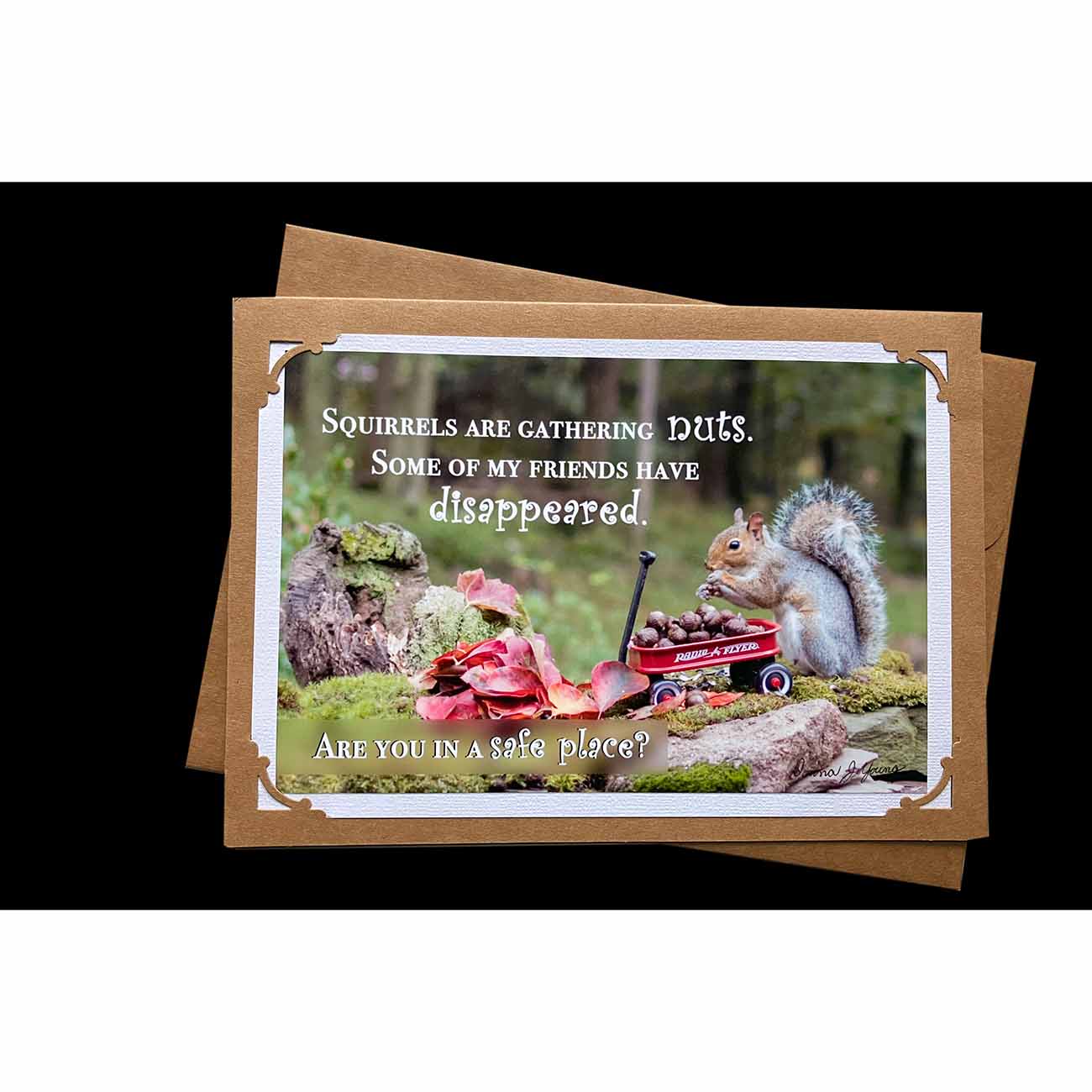
Original Photography
| 998 Left in Stock | ||

Giclée Canvas print, 20” x 30”
Original Photography, printed and hand stretched by AzarÉl Greetings.
Click here to see how our canvas prints are made.
| 3000 Left in Stock | ||

Original Photography
| 1000 Left in Stock | ||

Original Photography
Click here to see how our canvas prints are made.

Original Photography
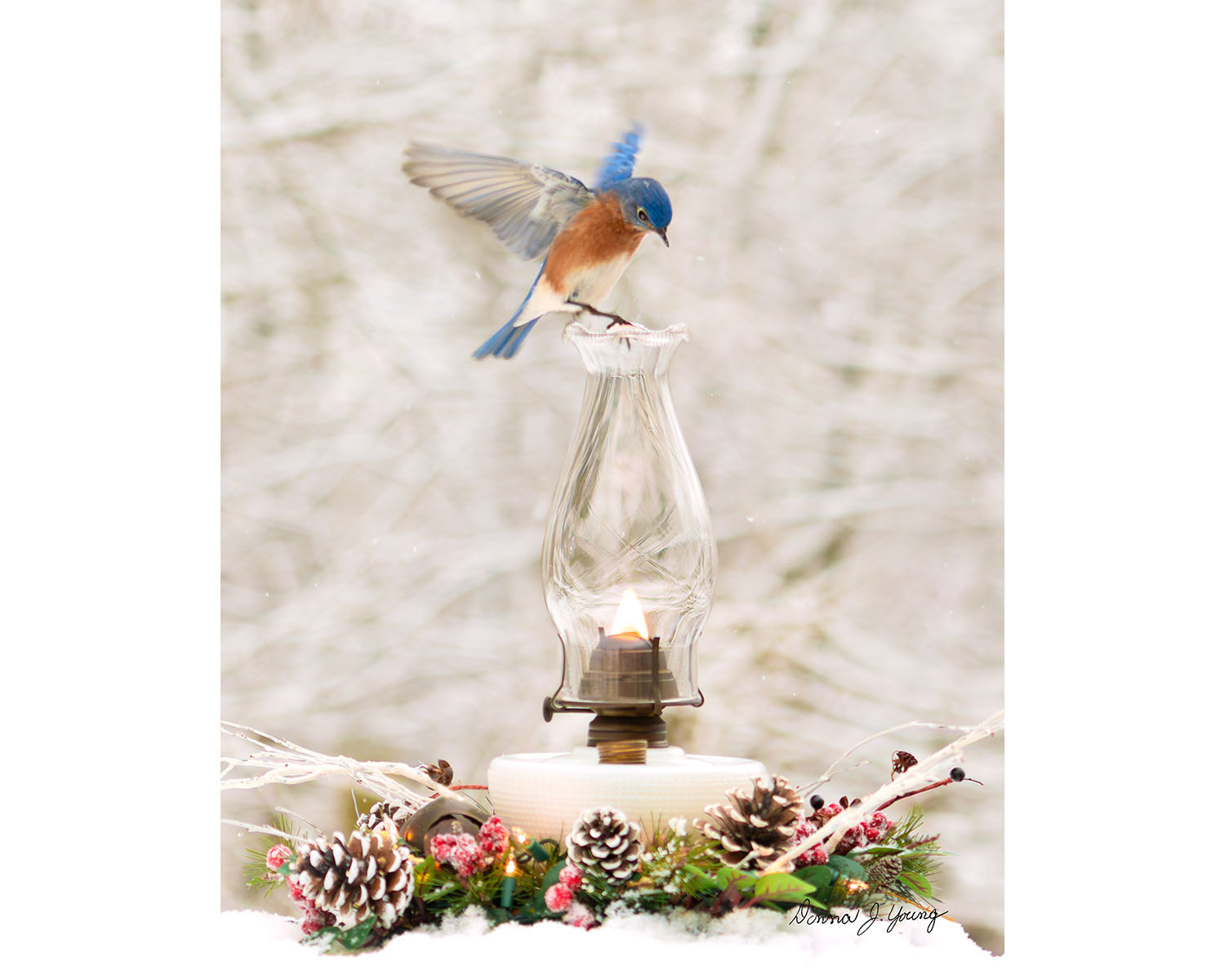

Original Photography

Giclée Canvas print, 20” x 30”
Original Photography, printed and hand stretched by AzarÉl Greetings.
Click here to see how our canvas prints are made.
| 1000 Left in Stock | ||

Original Photography

Giclée Canvas print, 20” x 30"
Original Photography, printed and hand stretched by AzarÉl Greetings.
Click here to see how our canvas prints are made.
| 1000 Left in Stock | ||
