

Thanksgiving is a wonderful time to pause and appreciate the world around us. This November and December, consider extending a blessing to our local wildlife in a unique way. Edible birdhouses are covered in energy-rich, safe food. They make unique gifts because they are a charming, rustic decoration as well as a thoughtful, high-energy food source for wildlife during the harsh winter months. They offer a perfect blend of handcrafted charm and genuine environmental kindness. I discovered a wonderful place to purchase them for a reasonable price at a recent craft show. However, creating edible is a wonderful do-it-yourself craft too! Whether you buy it or DIY it, this is the place to be.

You don’t have to build your edible birdhouse from scratch! Stone’s Woodmill handcrafts a beautiful, ready-to-hang version that the birds will absolutely love. They start with a plain wood birdhouse for a sturdy base, then coat it with delicious, high-energy food, finished with just a few non-edible garnishes for flair. You can purchase one on Etsy here. Better yet, visit Stone’s Woodmill in person at a craft show where they’re only $35:
PA Christmas and Gift Show – Space 39
December 3-7, 2025
PA Farm Show Complex
Glasgow High School Craft Fair
Saturday, December 13
1901 South College Avenue, Newark, DE
Gather up the crew! This is the perfect activity for the whole family, from the kids to the grandparents. Huddle around a big table covered with newspaper and get deliciously messy crafting. This is a fantastic way to teach kids compassion and care for the feathered friends in their own backyard. Edible birdhouses can be as simple or complicated as you make it. I spent some serious time digging around online to find the absolute best ways to make these high-energy birdhouses, and I’m sharing the best tips here! We’ll cover all the details, starting with choosing your base, moving on to selecting high-energy winter foods and creating a bird-safe binder, and wrapping up with crucial hanging techniques and location tips.

First of all, a sturdy base is needed to handle the heavy weight of the glue and all that food! Do you like totally FREE? Use a clean, empty paper milk or juice carton. The inner and outer plastic coating is excellent because it makes the carton highly waterproof. This means the base will resist moisture and hold its shape outdoors far longer than plain cardboard. The smooth surface helps the edible glue stick perfectly. It’s easy to cut an access hole right in the front, too.
If you prefer a more traditional look, you can also grab one of those inexpensive premade wooden birdhouses from any craft store—they make a great, durable choice too. These ones below are available online at Hobby Lobby and Michaels.


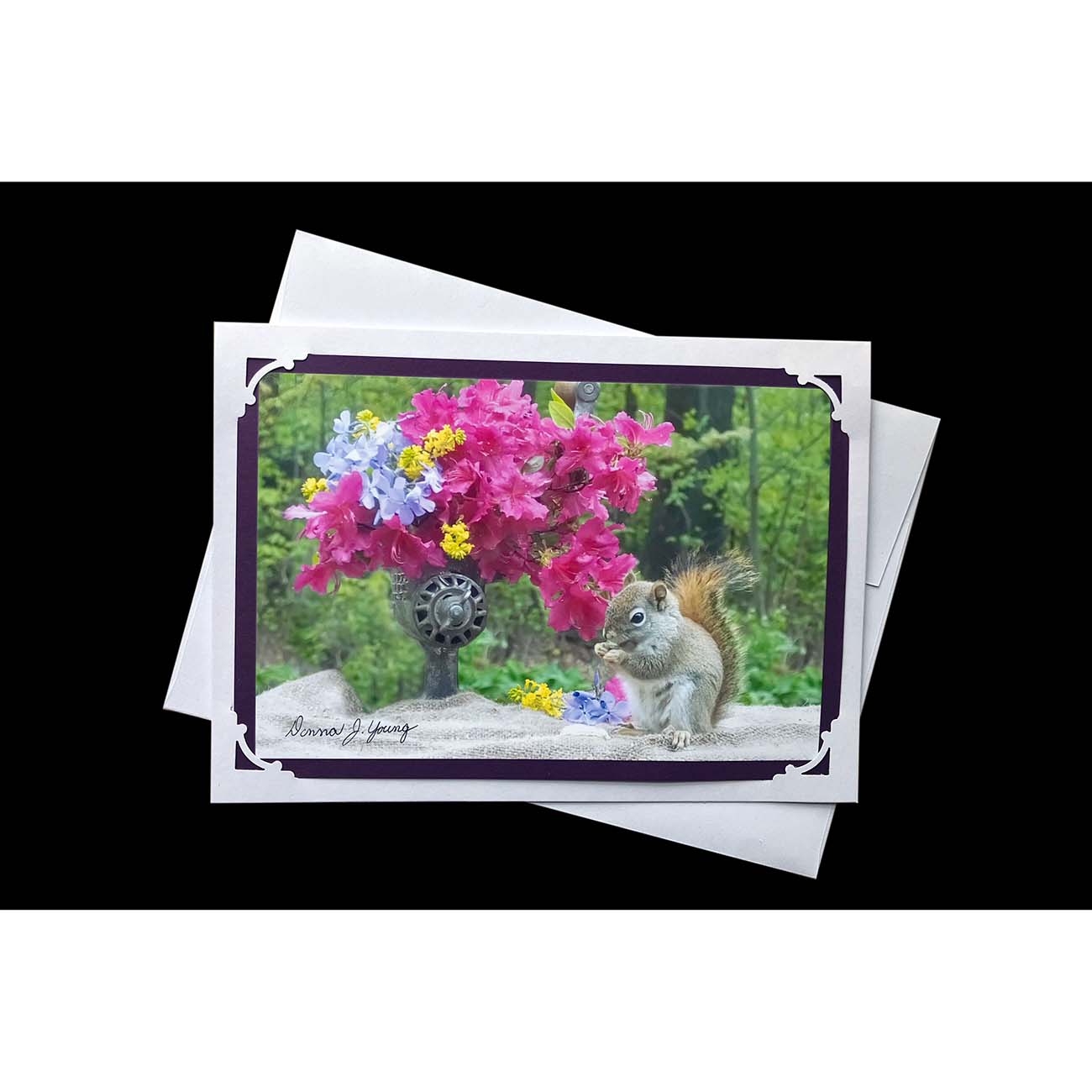
As some of you know, I (Donna) am the photographer behind AzarÉl Greetings. The stars of my photography are the beautiful birds and critters right here in our backyard. While I joke that I’m “Snow White” reincarnated, the truth is I actually rely on strategically bribing my feathered friends and furry freeloaders with high-quality, nutritional snacks to get the perfect shot! In The Fiddle’s Feathered Friend, there’s food at the base of the violin’s bow, hidden by the greenery. The food in Hershey’s Delight is right out in the open, but most people don’t even notice it. So, when it comes to crafting an edible birdhouse, I know how to load it up with the most irresistible, high-energy foods:

Black-Oil Sunflower Seeds: This is my number one go-to food for any bird feeder or edible birdhouse. They are the most calorie-efficient food you can possibly offer a bird fighting the cold. I recommend using these as the bulk for the coating because they attract the widest variety of birds.
Raw Unsalted Nuts: These are a close runner-up for their energy density. They are packed with fat and protein for sustained energy. You can use them in the shell, chopped in half, or ground. Ground nuts are excellent because they provide a lovely color and texture contrast to the sunflower seeds.
Suet: Don’t forget this high-octane fuel. If you are using a sturdy wooden birdhouse base, a great trick is to simply cut a purchased suet cake in half and nail it securely to each side of the roof for an instant, high-fat feast.
Raisins and other plain dried fruit (without added sugar): Be sure to cut things into raisin-sized bits
By offering this high-value menu, you not only ensure survival for your birds but also guarantee plenty of grateful visitors for your own viewing (and photographing!) pleasure.
Steer clear of these low-nutrition fillers and harmful ingredients:

When making an edible birdhouse, the most important rule is the “Don’t”:
Never use store-bought glues (like Elmer’s) or craft sealants,
even if they are labeled non-toxic.
Non-toxic simply isn’t the same as edible, and ingesting these materials can harm birds.
This is the fastest and easiest recipe to prepare. It provides higher nutritional value, thanks to the added protein and fat.
Ingredients:
Instructions:
Mix equal parts peanut butter and flour (or cornmeal / oats). Add more dry filler until the mixture is very stiff and non-greasy. Spread the soft mixture onto the container. Immediately press the seeds firmly into the soft mixture. Chill the entire finished birdhouse in the refrigerator or freezer until the peanut butter is completely firm.
This dries harder and lasts longer.
Ingredients:
Instructions:
Pour hot water into glass bowl, then mix in gelatin packet. Whisk until dissolved. Then stir in flour & corn syrup until it’s all mixed well. I recommend using a popsicle stick to apply glue onto birdhouse. Work in small sections, covering with your choice of birdseed, nuts, fruit etc. The “edible glue” stays workable for about 20-30min.
Source: Hammons Nest: How to Create Edible Birdhouses
Need some pictures of examples to get you started? Try this article: Winter Fun DIY: Create a Birdseed Bed & Breakfast. It shows some wonderful (and easy) examples. I particularly liked the one in the title image for this blog. It incorporated evergreen leaves. Oooooh…and that made me think of adding tiny pine cones and maybe a small poinsettia…

🔨 Hanging Materials
The final, step is hanging your birdhouse safely. Since your edible creation will be quite heavy once coated, you need trustworthy hanging materials. Skip the thin string and use something durable like thick jute rope, sisal twine, or strong wire. If you’re using a carton base, don’t rely on a single hole; make sure you puncture through two opposite walls and loop the material across the top for maximum support and stability.
📍 Placement for Safety and Shelter
You need to protect your feathered visitors from predators and bad weather. For shelter, try to find a place under a porch or the eaves of your roof to shield your creation from harsh rain and snow, which would quickly ruin the edible coating. For predator defense, hang the house high—between five to eight feet off the ground—to help deter neighborhood cats and raccoons. Crucially, keep it at least 10 feet away from any easy launching spots like low branches, fences, or thick shrubs.
Building an edible birdhouse isn’t just about feeding birds; it’s about making priceless memories together. Once the crafting is done, don’t worry about the scattered seeds and sticky hands! This project is about messy fun—nothing that can’t be quickly dealt with by just balling up the newspaper tablecloth along with the mess. You’ve created more than just a feeder; you’ve given the whole family a wonderful, compassionate way to interact with nature and provide critical nourishment when wild food sources are scarce. By using the right high-energy ingredients and safe methods, you’ll ensure your backyard station is fluttering with grateful visitors all winter long!


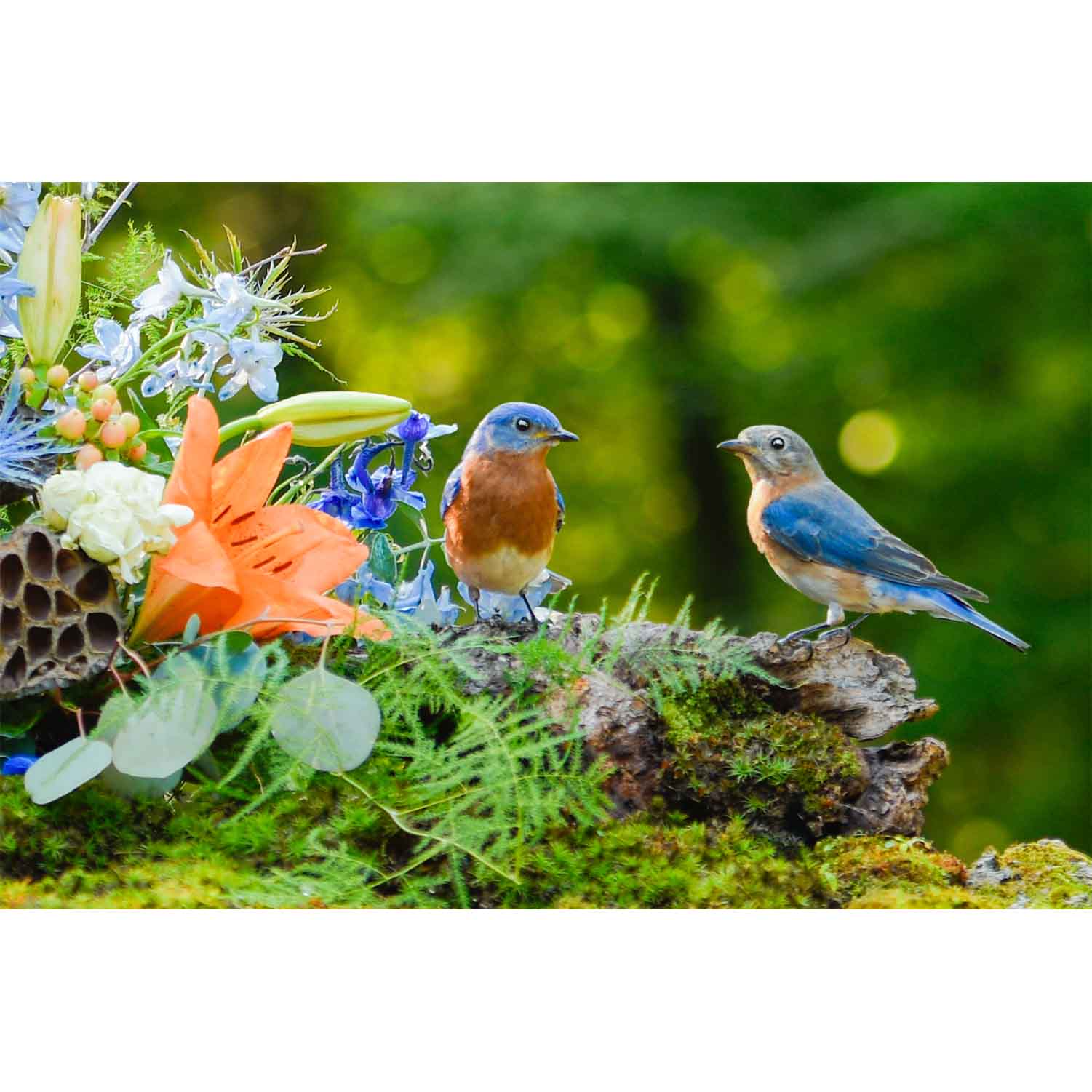
Giclée Canvas print, 20” x 30”
Original Photography, printed and hand stretched by AzarÉl Greetings.
Click here to see how our canvas prints are made.
| 3000 Left in Stock | ||
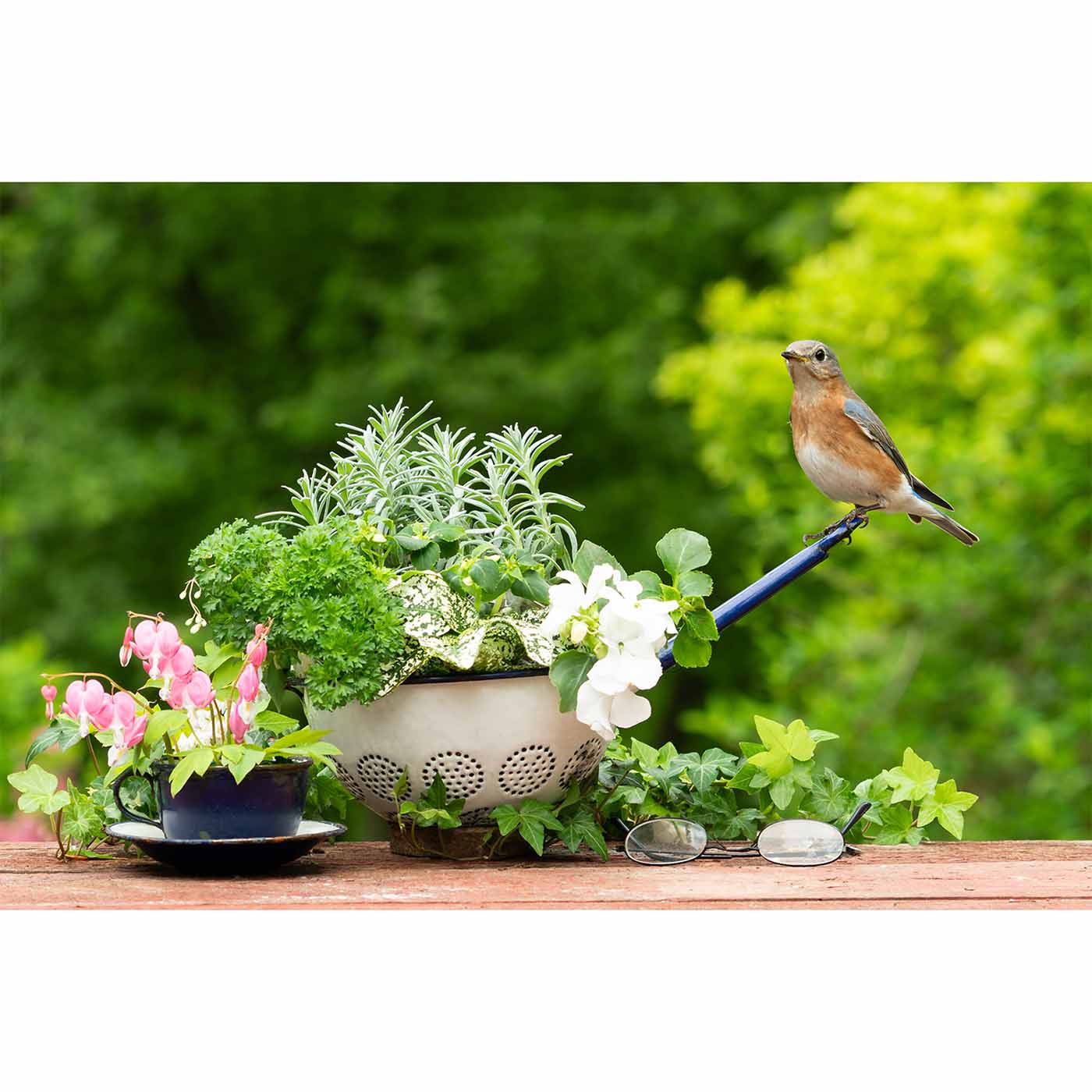
Giclée Canvas print, 16” x 24”
Original Photography, printed and hand stretched by AzarÉl Greetings.
Click here to see how our canvas prints are made.
| 3000 Left in Stock | ||
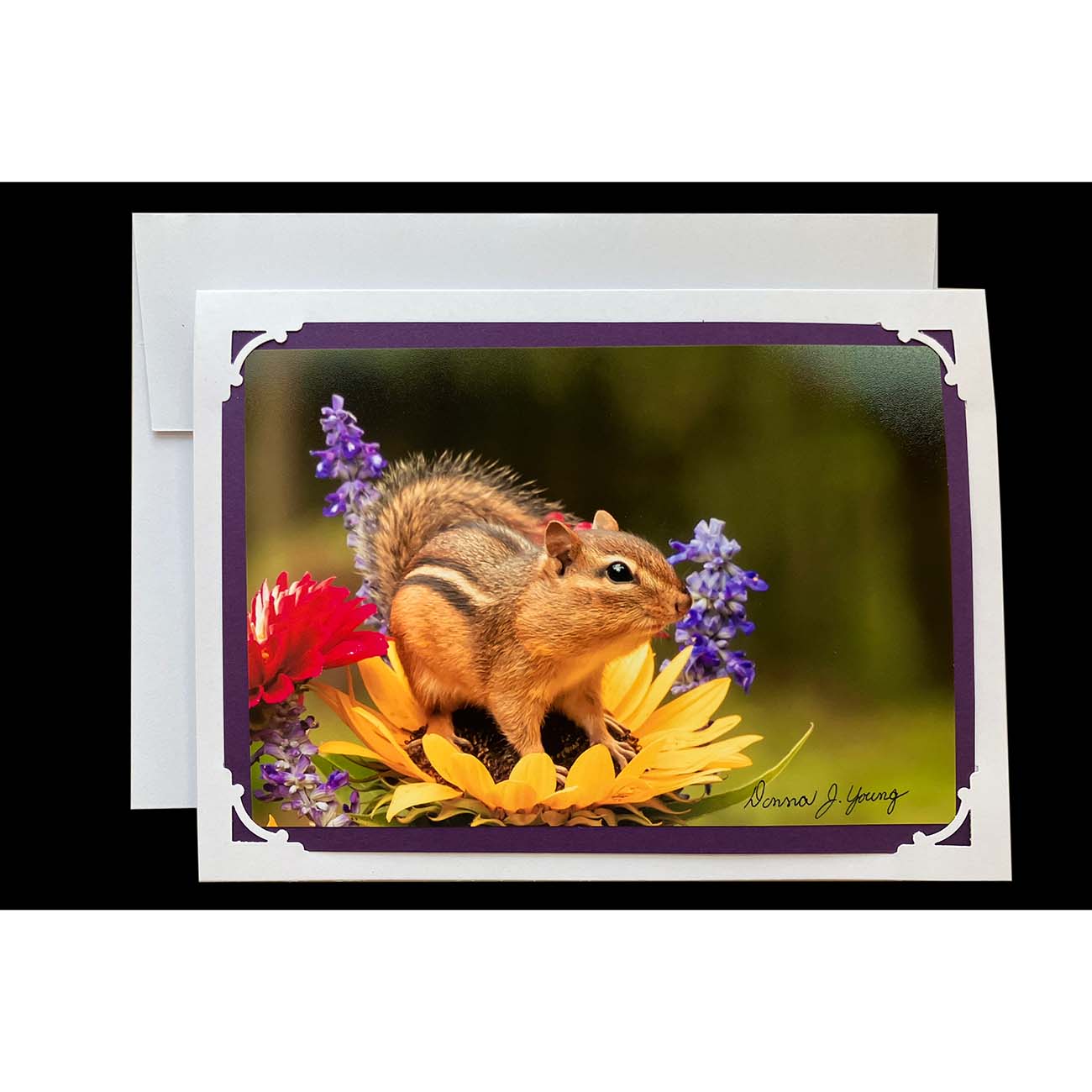
Original Photography
| 997 Left in Stock | ||
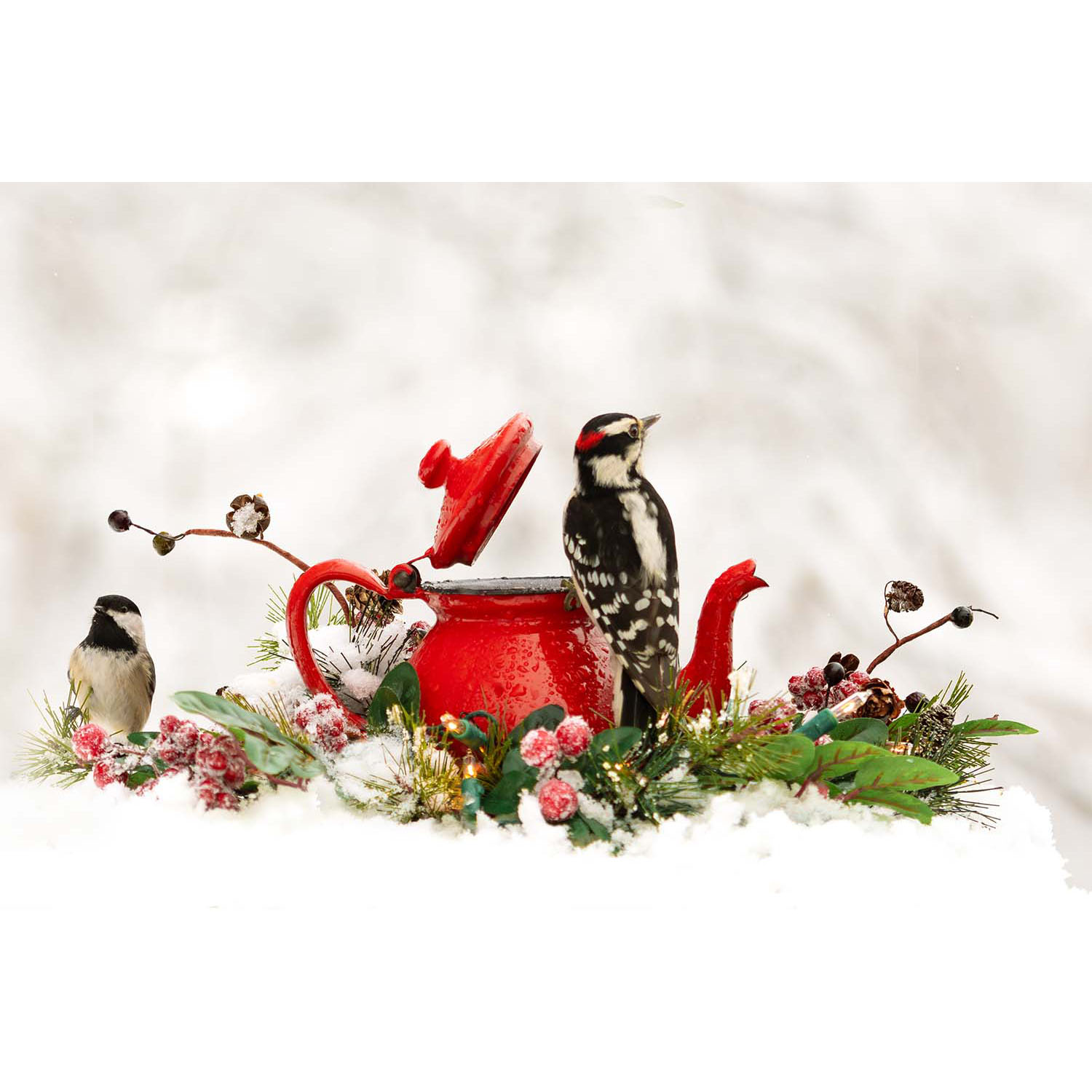
Giclée Canvas print, 16” x 24”
Original Photography, printed and hand stretched by AzarÉl Greetings.
Click here to see how our canvas prints are made.
| 3000 Left in Stock | ||

Giclée Canvas print, 16” x 24”
Original Photography, printed and hand stretched by AzarÉl Greetings.
Click here to see how our canvas prints are made.
| 1000 Left in Stock | ||

Giclée Canvas print, 16” x 20”
Original Photography, printed and hand stretched by AzarÉl Greetings.
Click here to see how our canvas prints are made.
| 1000 Left in Stock | ||


Giclée Canvas print, 16” x 24”
Original Photography, printed and hand stretched by AzarÉl Greetings.
Click here to see how our canvas prints are made.
| 1000 Left in Stock | ||
Giclée Canvas print, 16” x 24”
Original Photography, printed and hand stretched by AzarÉl Greetings.
Click here to see how our canvas prints are made.
| 3000 Left in Stock | ||

Original Photography
Click here to see how our canvas prints are made.
Original Photography

Original Photography
| 1000 Left in Stock | ||

Original Photography

Original Photography
Original Photography
| 998 Left in Stock | ||