

Hummingbirds are some of the most fascinating creatures to visit our gardens. They are tiny, but they possess absolute superpowers! From their lightning-fast movements to their brilliant colors, these little birds defy all odds. They capture our hearts every spring and summer. Yet, most people have no idea how much complexity is packed into such a tiny frame. Let’s take a closer look at the incredible ways they eat, fly, see, migrate, and shine.
Hummingbirds have a truly massive appetite. To keep up their high energy, they can eat more than twice their body weight daily. They have to visit 1,000 or more flowers each single day just to hit that goal. Unlike warblers and other small birds, hummingbirds cannot store fat easily. This means they require a constant, steady supply of fuel. To keep their tiny engines running, they feed every ten to fifteen minutes to get a steady stream of energy.
For a long time, scientists thought these birds used their tongues like tiny, passive drinking straws. High-speed video recently proved that theory wrong! Their tongue actually acts like a tiny, dynamic pump. The hummingbird flattens its tongue before dipping it into a flower’s nectar pool. The moment it hits the liquid, the split tips spring open. The fringed flaps unfurl instantly, and the tongue expands like the bulb on a turkey baster. This sudden expansion sucks the sweet nectar inside. The flaps then roll closed to trap the fluid as the bird whips its tongue back into its beak. This incredible pumping process happens up to 15 times per second, letting them drink at lightning speed!
Hummingbirds are absolute master aviators. Our best high-tech helicopters cannot even come close to a hummingbird’s skills. They nimbly fly backwards, sideways, up, down, and even upside down. They can also hover perfectly in place while sipping nectar. Ordinarily, they cruise at 25 to 30 miles per hour. When they dive, they can reach a speedy 50 miles per hour!
The secret to this incredible flight lies in their wings. A hummingbird’s wings beat an astonishing 53 to 80 times per second. Instead of flapping up and down like a regular bird, their wings move in a fluid figure-8 pattern. This unique rotation is brilliant. Both the forward and backward strokes generate lift. To power this motion, they have massive chest muscles. In fact, 25 to 30% of a hummingbird’s total weight is in its pectoral muscles.
Running a high-powered system like that requires a massive internal engine. They take about 150 breaths every single minute! They also have the fastest wingbeats and heartbeats of any bird. When a hummingbird is resting, its heart beats around 10 times per second. That is about 600 beats a minute. (A relaxed, purring cat “vibrates” at about 10 times “purr” second.) When they are active, their hearts can thump up to an amazing 1,260 times per minute!
The eyesight of a ruby-throated hummingbird is a true marvel of nature. It far surpasses what humans can see. These tiny birds perceive a vivid world that is entirely invisible to us. While our eyes are limited, hummingbirds see in both ultraviolet and blue-violet light. Thanks to eyes on the sides of their head, they enjoy an amazing 340 degrees of vision.
They also have a brilliant, built-in “split-screen” view. One zone lets them monitor the horizon for danger. At the same time, a second zone looks straight ahead. This forward vision is perfect for high-precision feeding. It helps them steer into flowers, catch tiny bugs mid-air, and pluck spiders from branches.

This ultraviolet vision creates a dramatic view of flowers. A blossom might look like a solid, plain color to you and me. To a hummingbird, that same flower features hidden UV “bullseyes” on the petals. The outer petals reflect UV light, while the center absorbs it. This makes the flower glow like a neon sign, guiding them straight to the nectar!
Photo Source:
Photography of the Invisible World
The annual migration of the ruby-throated hummingbird is one of the most jaw-dropping feats in the animal kingdom. Think about their size for a moment. These creatures measure a mere 3 inches long. They weigh just 1/10 of an ounce, which is less than a single penny! Yet, the sheer distance they travel is absolutely staggering. These tiny travelers spend their summers breeding up north. When the seasons change, they make a massive seasonal shift to the south. Their wintering grounds stretch from southern Mexico all the way down through Central America, including Guatemala, Honduras, Costa Rica, and western Panama.
To get to those tropical retreats, these tiny aviators achieve the seemingly impossible. Some birds choose to fly along the coast. However, many brave individuals fly nonstop directly across the open water of the Gulf of Mexico. This means flying 500 to 600 miles without a single stop during both spring and fall migrations! As shown in the map, the coral-colored northern zone illustrates this summer breeding territory. The yellow zone marks their incredible migration path, and the blue zone highlights their winter tropical retreats.

When spring finally arrives, they begin their long trek back northward. They time this journey perfectly to match nature’s calendar. They follow the blooming schedules of early-season flowering plants like azaleas, rhododendrons, and columbine. Stopping at these blossoms allows them to refuel their tiny engines all along the way.
Have you ever wondered how hummingbirds get their magical, glowing shine? Believe it or not, the underlying feather itself can actually be a dull black color! Their brilliant colors come entirely from the way light reflects off them. Inside the feathers, scientists found uniquely shaped, color-producing cells called melanosomes. These feathers work just like tiny mirrors and prisms.
Their flat shape and trapped air bubbles change how sunlight bounces around. A thin layer of clear cells on top bends the light. When sunlight hits them at just the right angle, it reflects back vibrant reds, greens, or violets. As the bird moves, the color shifts. That is why a ruby-throated hummingbird’s neck can instantly flash from bright red to a gold or greenish hue. But without direct lighting, that bright sparkle vanishes, and the feathers simply look black.
God’s brilliant engineering is on full display in every single hummingbird! These amazing aviators are packed with mind-boggling traits! From their unique pumping tongues to their hidden ultraviolet vision, they are built to amaze us. Next time you see one buzzing around a flower, you will know the amazing engineering happening right before your eyes. Keep your feeders full and enjoy the spectacular show!

References:
Photography of the Invisible World
Audubon
Ruby-throated Hummingbird
Audubon
Hummingbirds Owe Their Shimmer to Microscopic Pancake-Like Structures
All About Birds
What is the Essence of Iridescence? Ask a Hummingbird
Birds and Blooms
What Makes Hummingbird Feathers so Shimmery?
Good Housekeeping
40 Fascinating Facts About Hummingbirds
Science Direct
Hummingbird Vision


Giclée Canvas print, 16” x 24”
Original Photography, printed and hand stretched by AzarÉl Greetings.
Click here to see how our canvas prints are made.
| 3000 Left in Stock | ||

Giclée Canvas print, 20” x 30”
Original Photography, printed and hand stretched by AzarÉl Greetings.
Click here to see how our canvas prints are made.
| 3000 Left in Stock | ||

Original Photography
| 1000 Left in Stock | ||
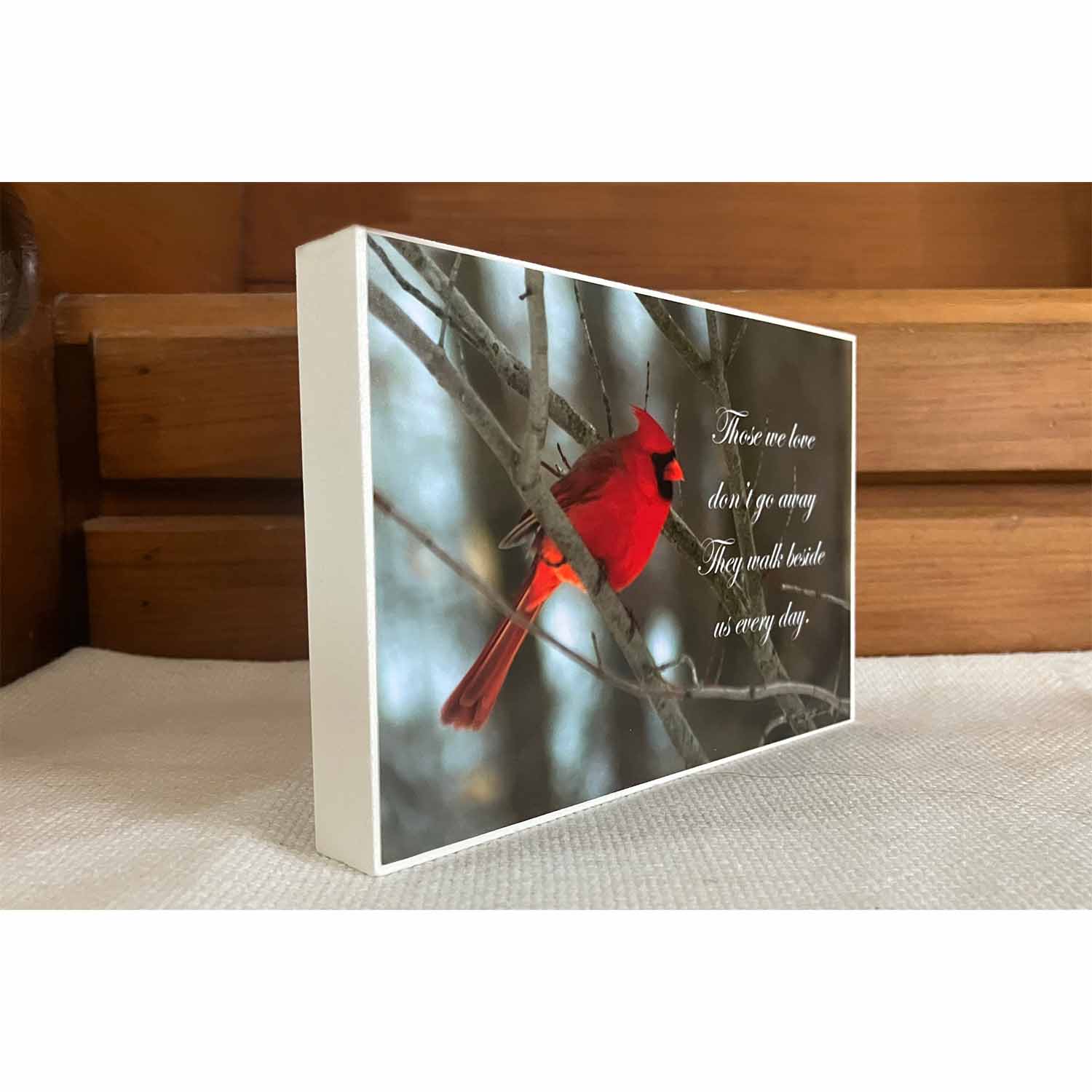
4" x 6" handmade photo block, Original Photography
| 998 Left in Stock | ||

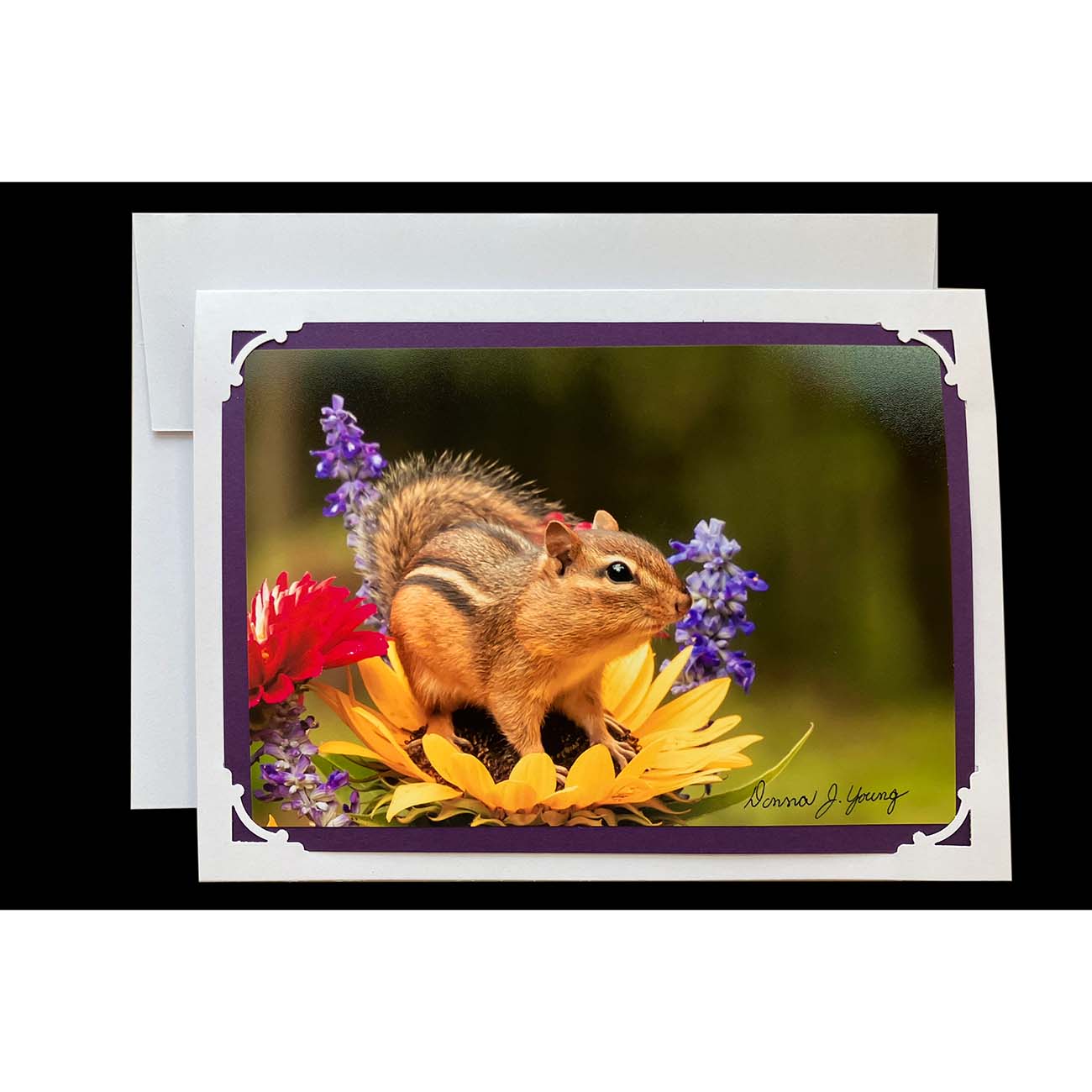
Original Photography
| 997 Left in Stock | ||
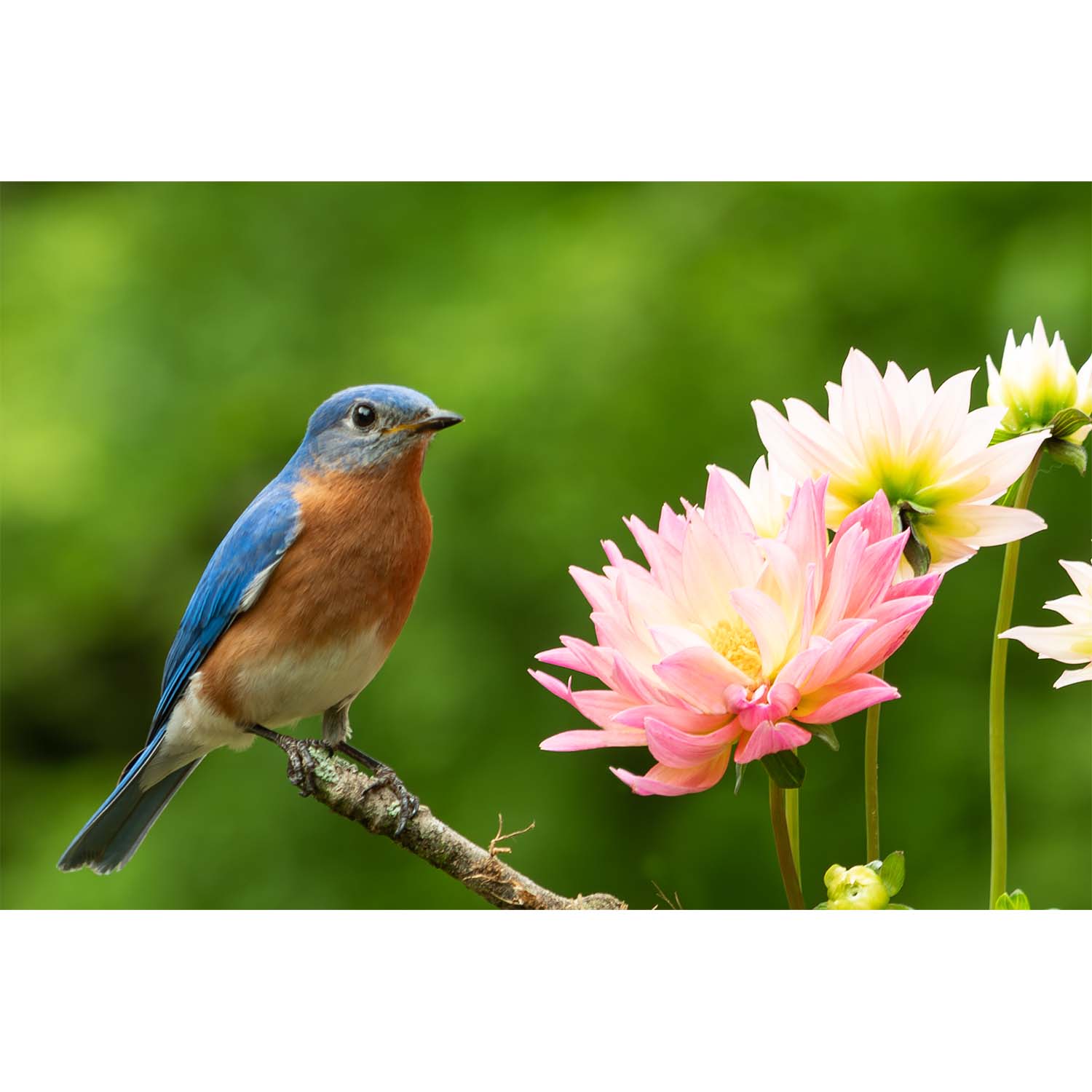
Giclée Canvas print, 20” x 30”
Original Photography, printed and hand stretched by AzarÉl Greetings.
Click here to see how our canvas prints are made.
| 3000 Left in Stock | ||

Original Photography
Click here to see how our canvas prints are made.

Giclée Canvas print, three panel triptych, 20" x 33" (w/ 3/4" gaps)
Original Photography, printed and hand stretched by AzarÉl Greetings.
| 3000 Left in Stock | ||

Original Photography
| 998 Left in Stock | ||

Giclée Canvas print, three panel triptych, 20" x 33" (w/ 3/4" gaps)
Original Photography, printed and hand stretched by AzarÉl Greetings.
| 3000 Left in Stock | ||


Original Photography

Original Photography
| 1000 Left in Stock | ||
