

Brian and I are officially empty nesters again! Our bluebird nestlings hatched on July 29, 2026, and left the nest on August 13 and 14, 2026—a mere 16 to 17 days. This is a little on the early side, as only 23% fledge on days 16 and 17. But our fledgling story hasn’t ended yet. They are now “teenagers,” still dependent on their parents for a time before they become full-fledged adults. Here is the rest of the story in a handy FAQ arrangement.
4. What time of day do they fledge?
While I expected our nestlings to launch early in the morning, three of them waited until later in the day—
and I completely missed it! Even so, our crew still landed right within that expected window. Predation risk
drives the whole schedule, as youngsters need to head out early enough to find a safe perch before dark.
They usually make their move about six hours after sunrise when the weather cooperates.
5. How far do they fly?
That first flight usually covers anywhere from 10 to 55 yards. This maiden voyage is quite a spectacle,
happening in a straight line with nonstop wingbeats as they scramble for a safe perch. Some birds don’t
quite make it that far. If they miss a landing spot, they drift down to the ground where they are in danger
from predators. Because their initial flying skills are so rudimentary and they lack the strength to fly right
back up, they are physically unable to return to the nest box.
6. Where do fledglings go?
They head to nearby hidden spots and eventually into the higher branches of nearby trees!
For about the first week, they stay cleverly hidden away in separate locations while their parents keep right
on feeding them. They call out from these separate spots for food delivery. Eventually, as they grow more
confident, they make their way up to the higher branches of nearby trees, where the whole sibling crew
eventually huddles closely together on a single branch!
7. How can you locate the fledglings from your nest box?
If you want to track them down, start by listening for their characteristic calls. Watch for adult bluebirds
carrying food toward nearby trees and fence lines within a 10 to 55-yard radius. Scan the lower branches
and look for huddled silhouettes. They are very clever at hiding!
Even so, finding them can be tough! I’ve looked for the fledglings from our nest box on more than one
occasion. It’s been both disappointing and happy that I can never find them. I’m sad because I simply want
to see them again. It’s good news because I hope they are hidden enough that predators won’t find them.
Watching our little ones take that big leap into the world is always bittersweet. Seeing them navigate their new “teenager” phase makes every moment worthwhile. Whether you’re watching your own backyard nest box or simply cheering them on from afar, these resilient little bluebirds never cease to amaze us. Thanks for following along on our nesting journey!

Resources:
Sialis.org
Fledging and Fledglings
Avian Report
Fledging Bluebirds: A Few Things to Know


Original Photography
Click here to see how our canvas prints are made.

Original Photography
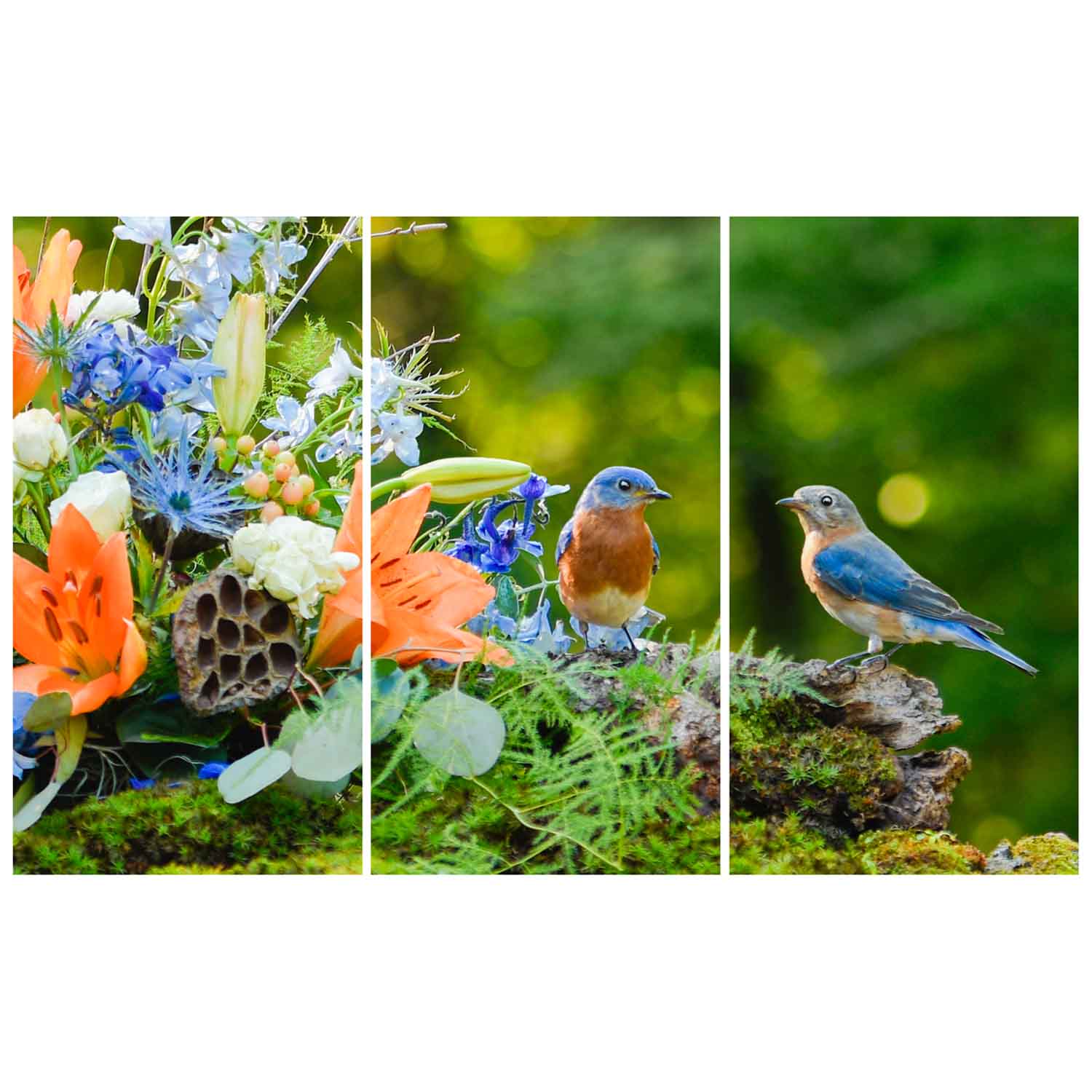
Giclée Canvas print, three panel triptych, 20" x 33" (w/ 3/4" gaps)
Original Photography, printed and hand stretched by AzarÉl Greetings.
| 3000 Left in Stock | ||
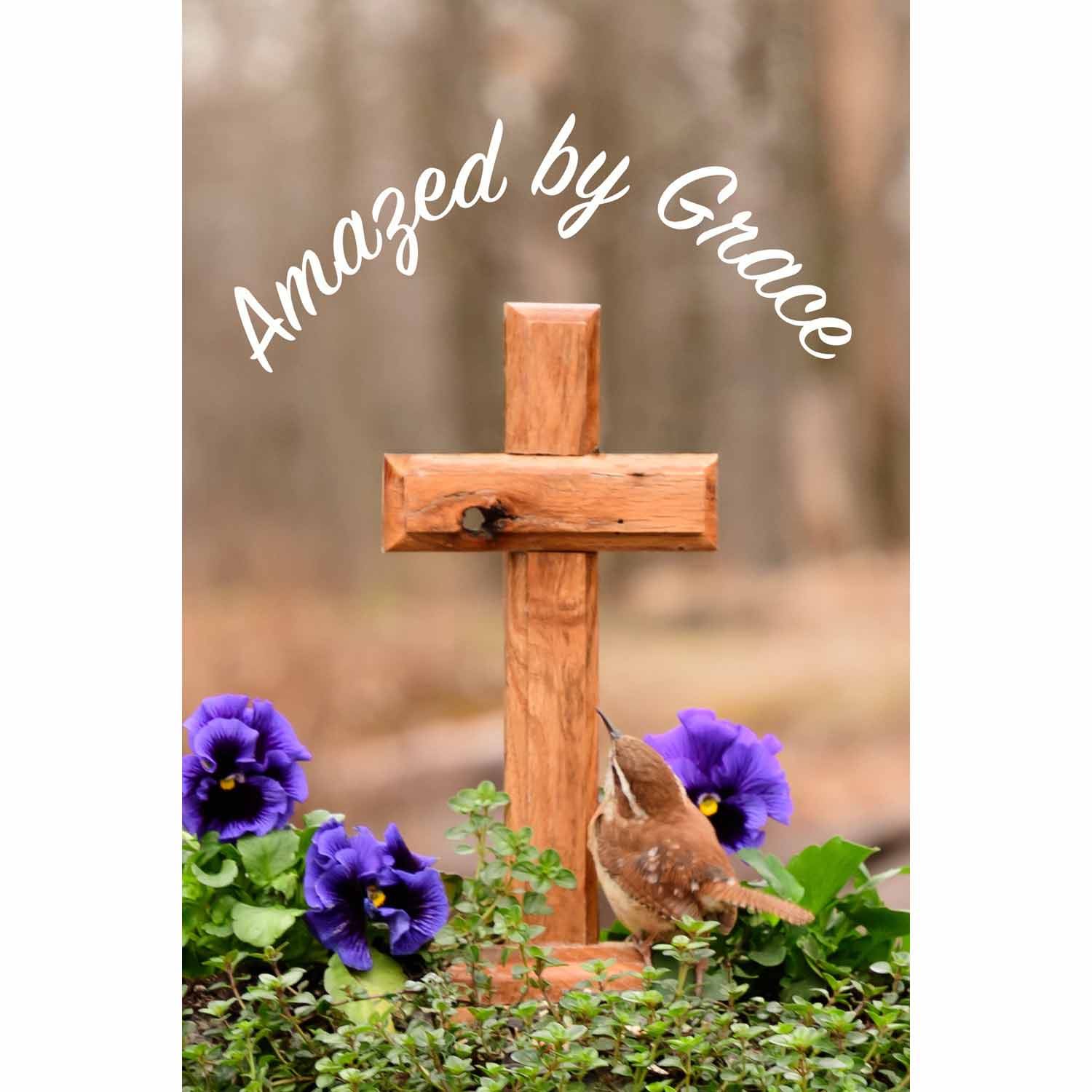
Giclée Canvas print, 20” x 30”
Original Photography, printed and hand stretched by AzarÉl Greetings.
Click here to see how our canvas prints are made.
| 3000 Left in Stock | ||
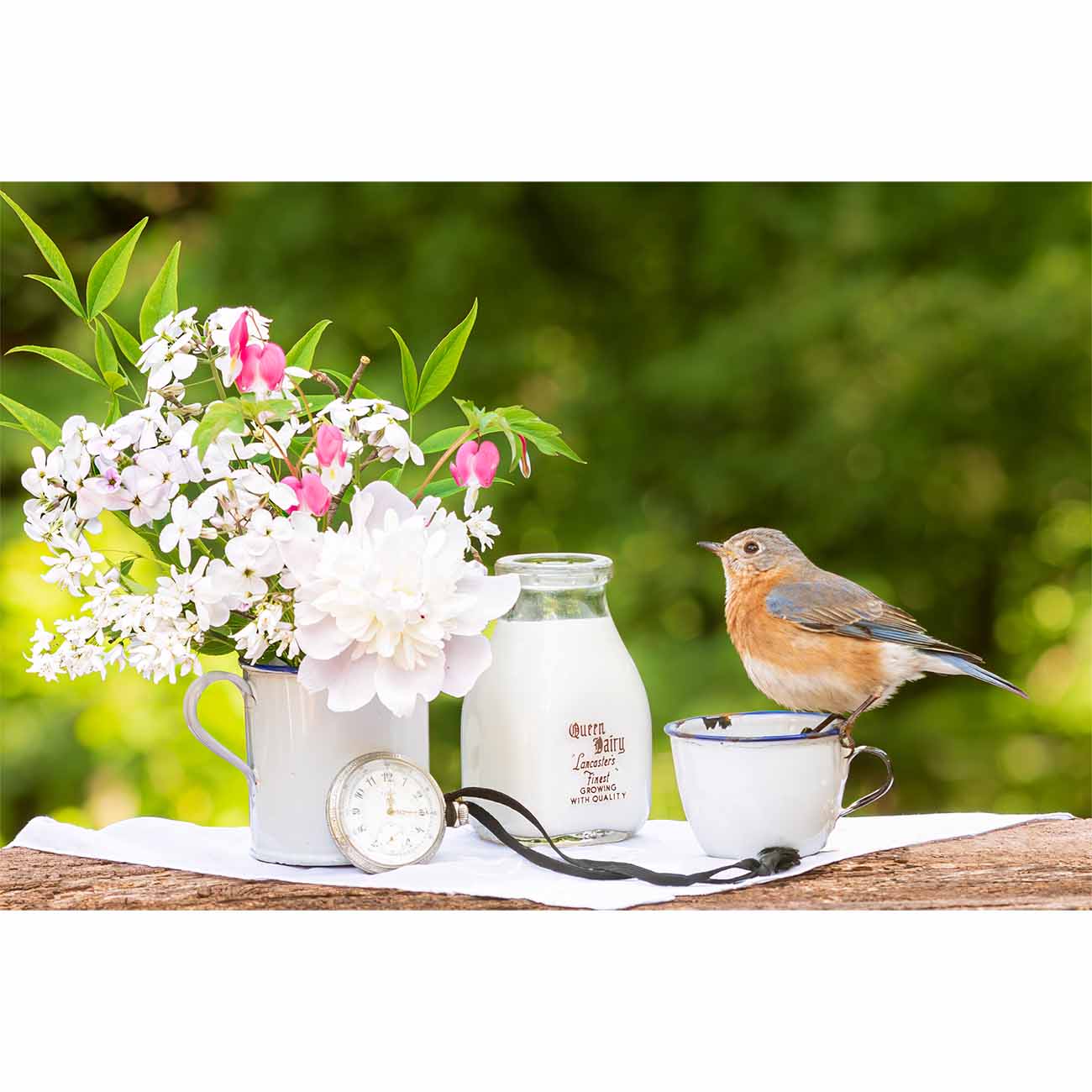
Giclée Canvas print, 16” x 24”
Original Photography, printed and hand stretched by AzarÉl Greetings.
Click here to see how our canvas prints are made.
| 3000 Left in Stock | ||

Original Photography
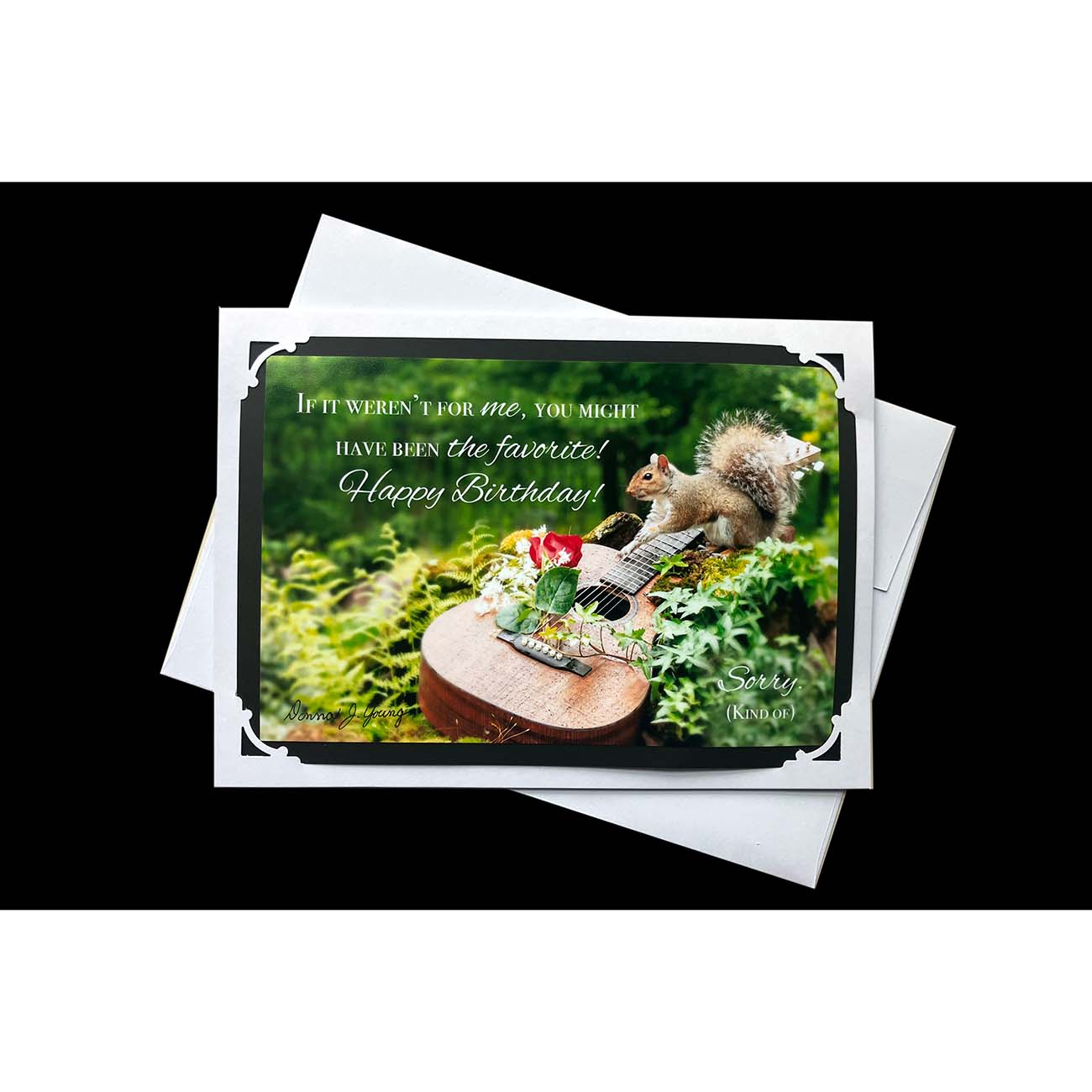
Original Photography
| 1000 Left in Stock | ||

Giclée Canvas print, 20” x 30”
Original Photography, printed and hand stretched by AzarÉl Greetings.
Click here to see how our canvas prints are made.
| 3000 Left in Stock | ||
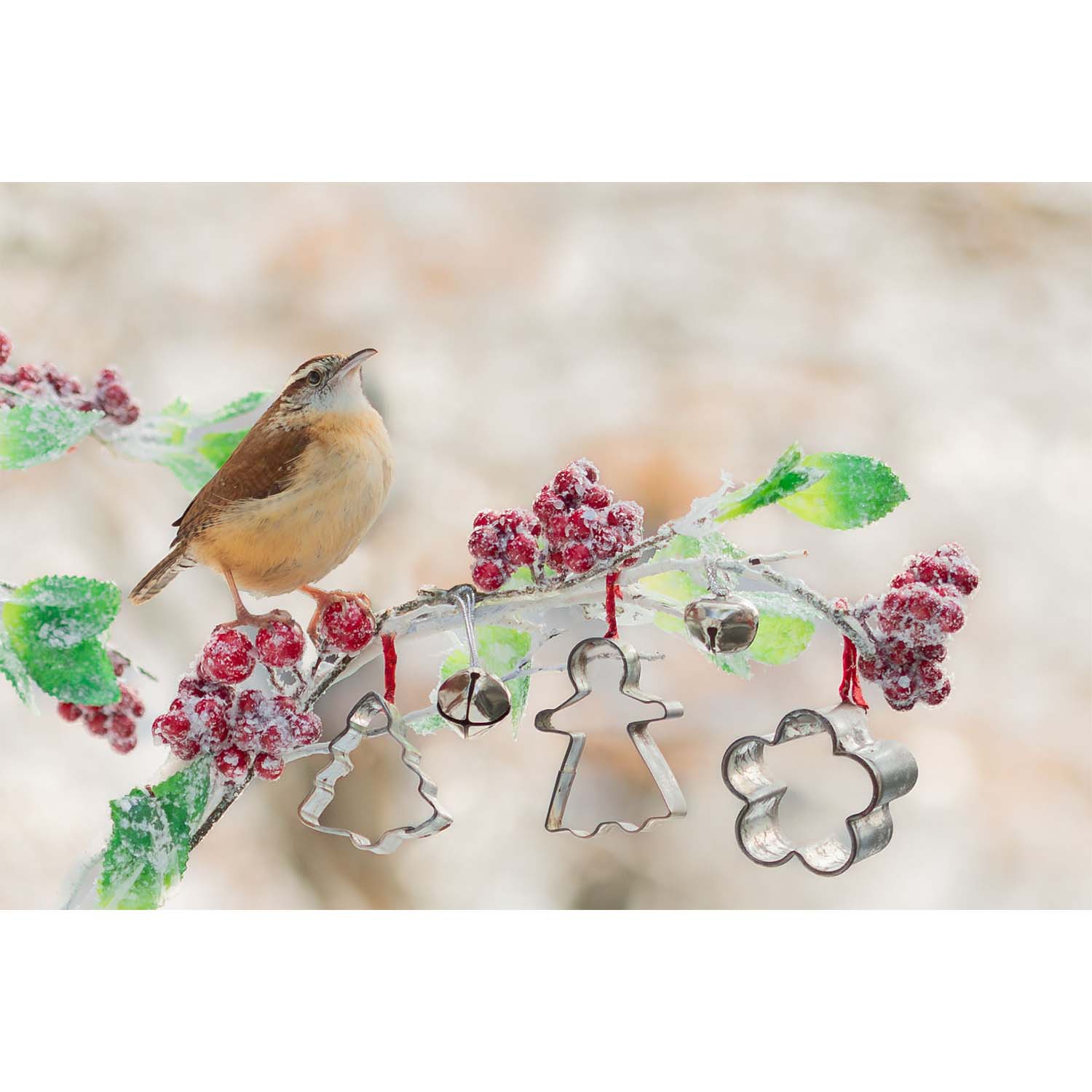
Giclée Canvas print, 20” x 30”
Original Photography, printed and hand stretched by AzarÉl Greetings.
Click here to see how our canvas prints are made.
| 3000 Left in Stock | ||
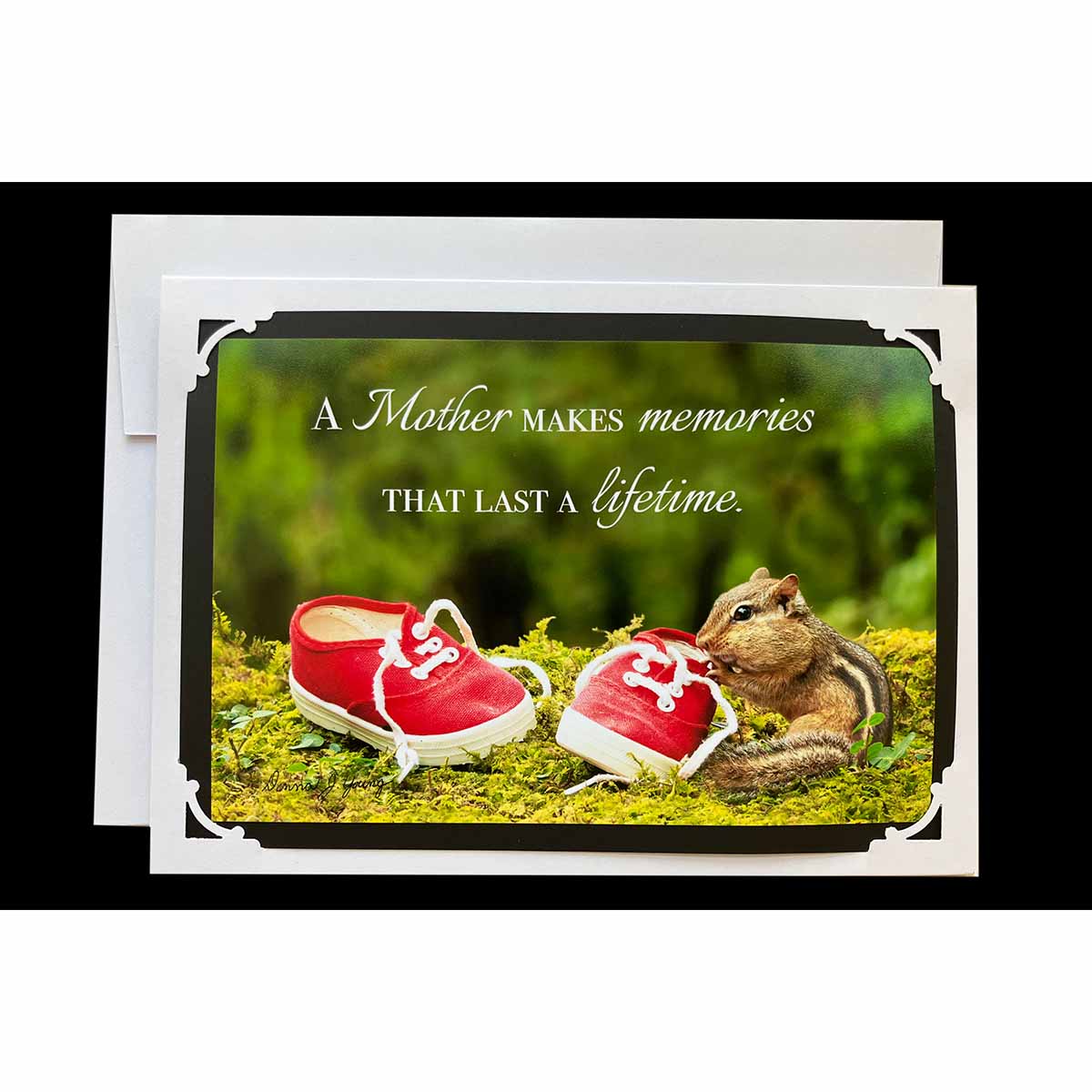
Original Photography
| 1000 Left in Stock | ||
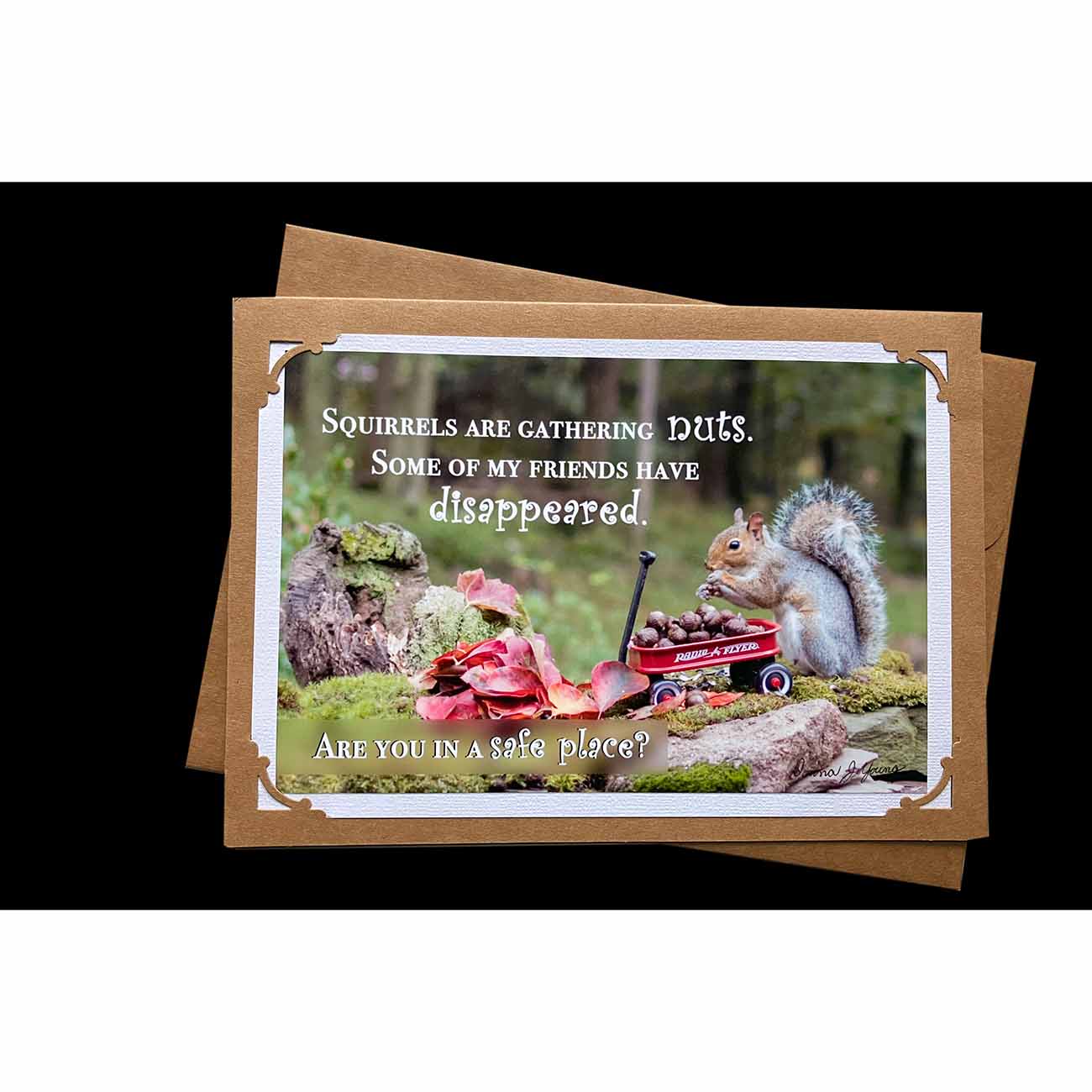
Original Photography
| 998 Left in Stock | ||

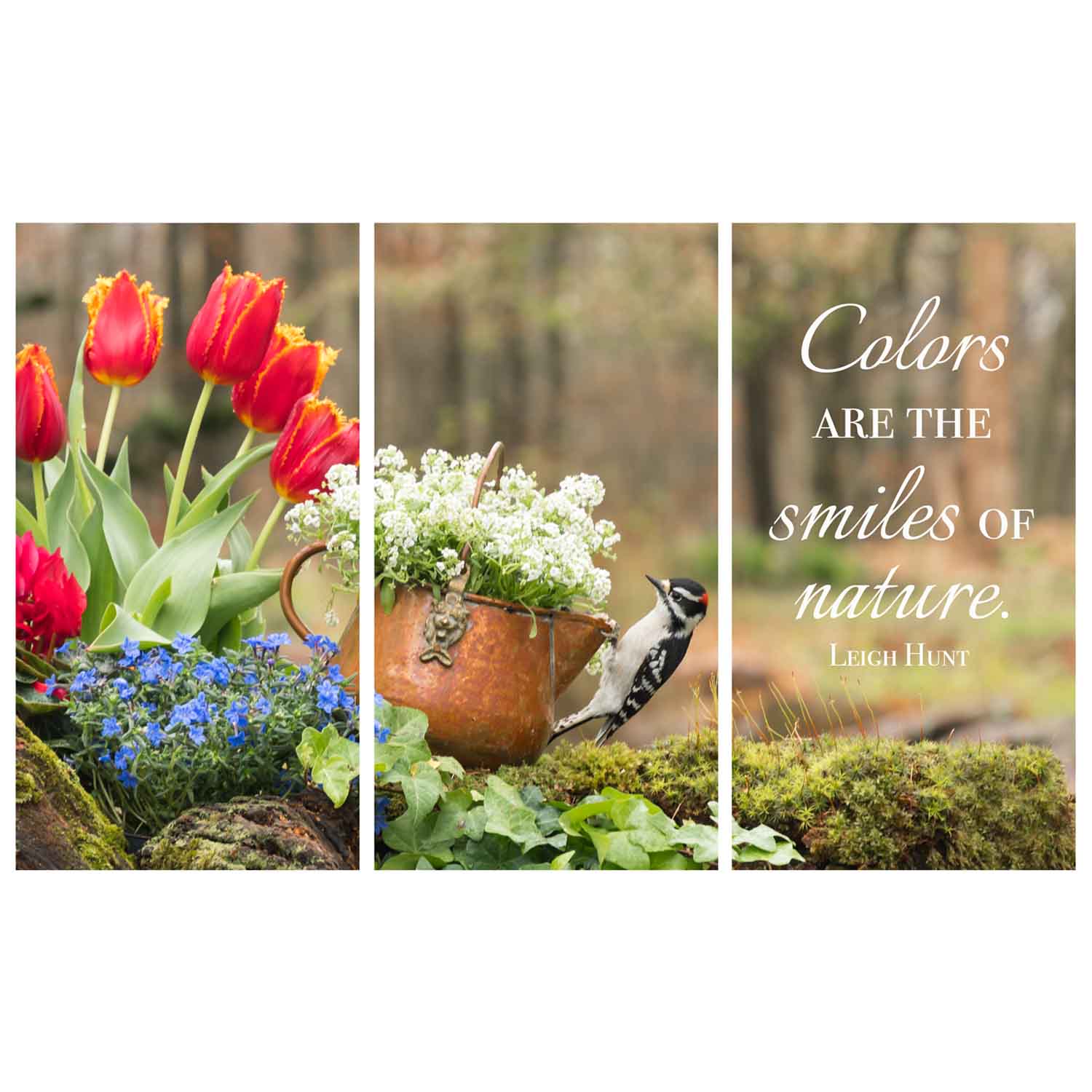
Giclée Canvas print, three panel triptych, 20" x 33" (w/ 3/4" gaps)
Original Photography, printed and hand stretched by AzarÉl Greetings.
| 3000 Left in Stock | ||

Giclée Canvas print, 20” x 30”
Original Photography, printed and hand stretched by AzarÉl Greetings.
Click here to see how our canvas prints are made.
| 1000 Left in Stock | ||

5" x 7" handmade greeting card, Original Photography
| 999 Left in Stock | ||