

Our nestlings are actively preparing to fledge, and it’s hard to believe how fast they are growing up!
A baby bluebird goes through development stages kind of like your own children do – but much, much faster! It all starts as a helpless, naked infant hatchling (0–4 days) that relies entirely on constant parental feeding and warmth. They soon transition into clumsy toddler nestlings (5–12 days) with opening eyes and sprouting feathers. By 13–20 days they’re kind of like elementary school children, preening, stretching, and exercising while getting ready for their next big steps. As soon as they hit their teen phase, they will be leaving the nest! Over the next three weeks the parents will train them to find their own food as they mature in flying skills.
This week they’ve been in the “elementary stage” and are getting closer and closer to fledging. Watching these little bluebirds never fails to amaze me, and looking at everything happening in that cramped box brings a lot of questions to mind.
All the preening, exercising, and wing flapping are preparations for their first flight!
The nestbox that fills your screen is only about 3.5 inches wide and 4.5 inches deep. (That’s about the size of a 3×5 index card or your cell phone.) Each little fluff-ball is about 3.75 inches long. So, it’s kind of like being body-to-body in a packed elevator. And then someone swings a bulky backpack around. As they grow more and more restless in the cramped box, little heads will take turns peeking through the entrance hole to watch the outside world.
By day 14, those little bluebird eyes are fully open. A week prior, when their eyes first began opening around days 5 to 7, vision development was still in its early stages. By two weeks of age, nestlings are alert, can orient themselves toward the light of the entrance hole, and respond to the arrival of parent birds. They will soon be peering outside the entrance hole as they approach the fledging stage.
Yes! When it is really hot, their beaks are wide open. Since bluebirds do not have sweat glands, panting serves as their primary way to get rid of heat. They flutter their throat muscles to release body heat. Naturally, the hotter they get, the more they pant.
Yes. Some eggs are smaller than others and contain fewer nutrients. There is also great competition for food inside the nest. One nestling sometimes gets less food than the others. Additionally, some chicks hatch later than the rest—for instance, three of our bluebirds hatched on the same day while the fourth hatched the next morning. I’m not sure if the little fella in our video is a runt. He may appear smaller because of the camera angle and being squished.
Feathers grow inside tough, waxy white tubes. Preening helps break open these tubes. This lets the soft feather vanes expand. It breaks apart those keratin sheaths so the feathers fully fluff out before they fledge.
That mottled pattern is all about survival. It acts as natural camouflage that breaks up their outline and keeps them safe from predators both in the nest and as newly emerged fledglings. Young bluebirds trade their speckled juvenile feathers for their iconic adult plumage during their mid-summer or fall molt (July – October).
Wing and tail feathers give away the secret. By day 13, you can reliably tell their sex. Young male eastern bluebirds show blue tail feathers. They also have blue primary and secondary wing feathers.
Fledging usually happens between day 16 and day 22. Most of them leave around day 18 or 19. For this nest, day 16 hits tomorrow on Thursday, August 13. They are most likely to fledge anytime from this Saturday, August 15, through Wednesday, a week from today.
It won’t be long now before these little ones take the plunge and leave the safety of the box behind. To help you make your best guess, take a look at this data from the Avian Report showing the typical age range when bluebird nestlings fledge:

When do you think they will finally take flight? Drop a comment on FB with a specific date and time for your guess!

Resources:
Fact Sheet: Bluebird Growing Up Game
Sialis.org
https://www.sialis.org/factgrowup/
Panting (Gular Flutter)
Sialis.org
https://www.sialis.org/panting/
Determining the Gender of a Young Eastern Bluebirds by Plumage
Avian Report
https://avianreport.com/sex-determination-molt-young-bluebirds/
Fledging Bluebirds: A Few Things to Know
Avian Report
https://avianreport.com/fledging-bluebirds/


Giclée Canvas print, 16” x 20”
Original Photography, printed and hand stretched by AzarÉl Greetings.
Click here to see how our canvas prints are made.
| 1000 Left in Stock | ||

Original Photography
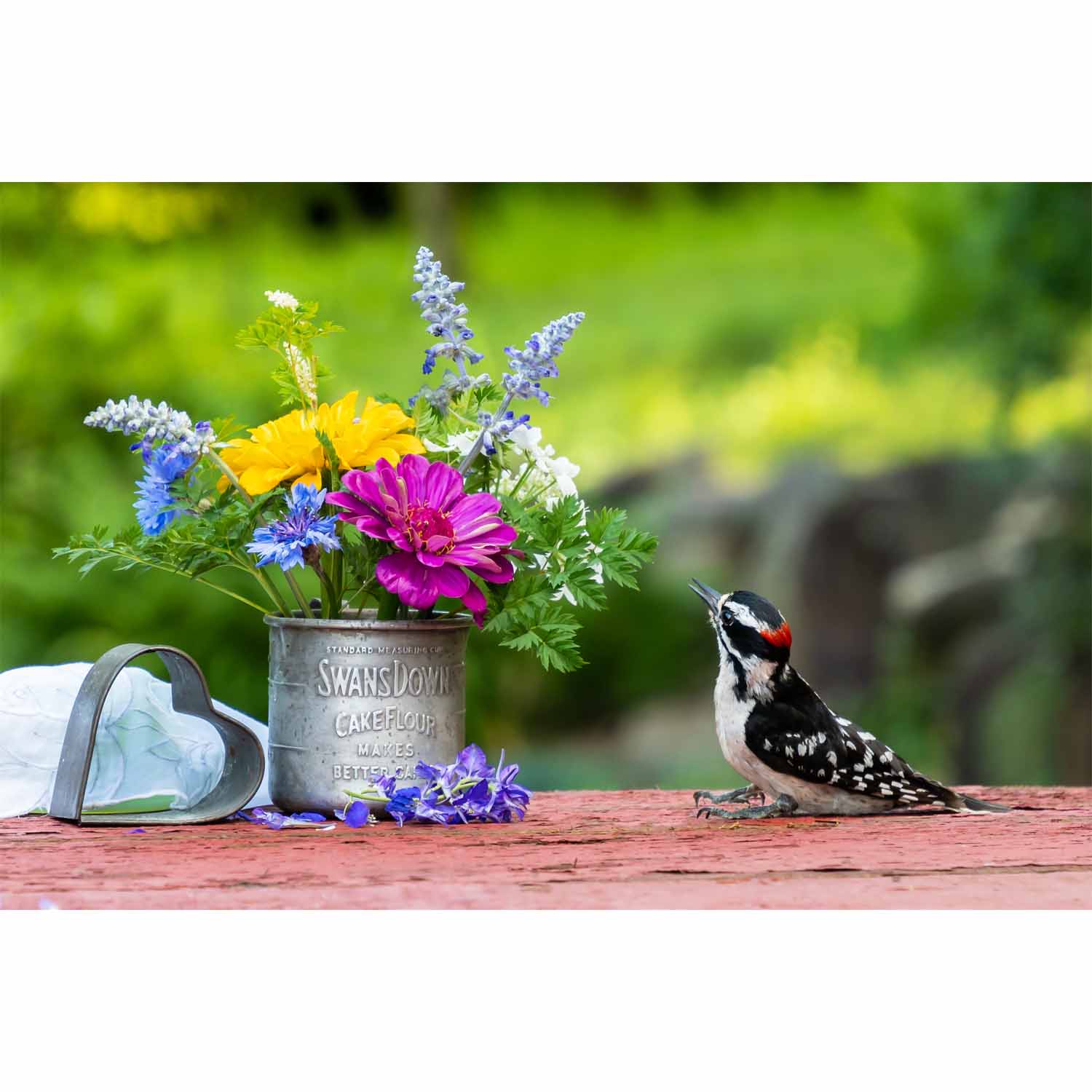
Giclée Canvas print, 20” x 30”
Original Photography, printed and hand stretched by AzarÉl Greetings.
Click here to see how our canvas prints are made.
| 3000 Left in Stock | ||
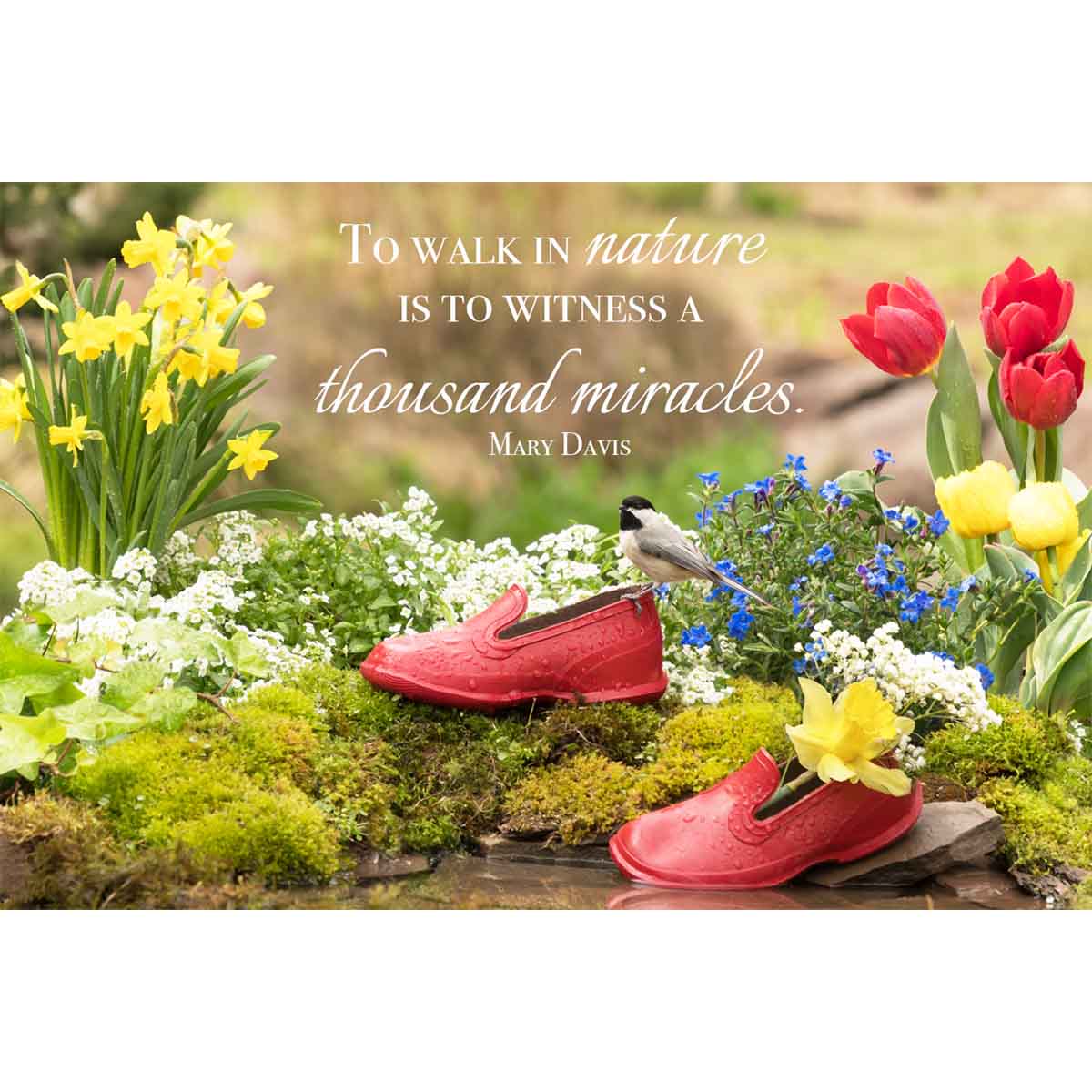
Giclée Canvas print, 20” x 30”
Original Photography, printed and hand stretched by AzarÉl Greetings.
Click here to see how our canvas prints are made.
| 3000 Left in Stock | ||
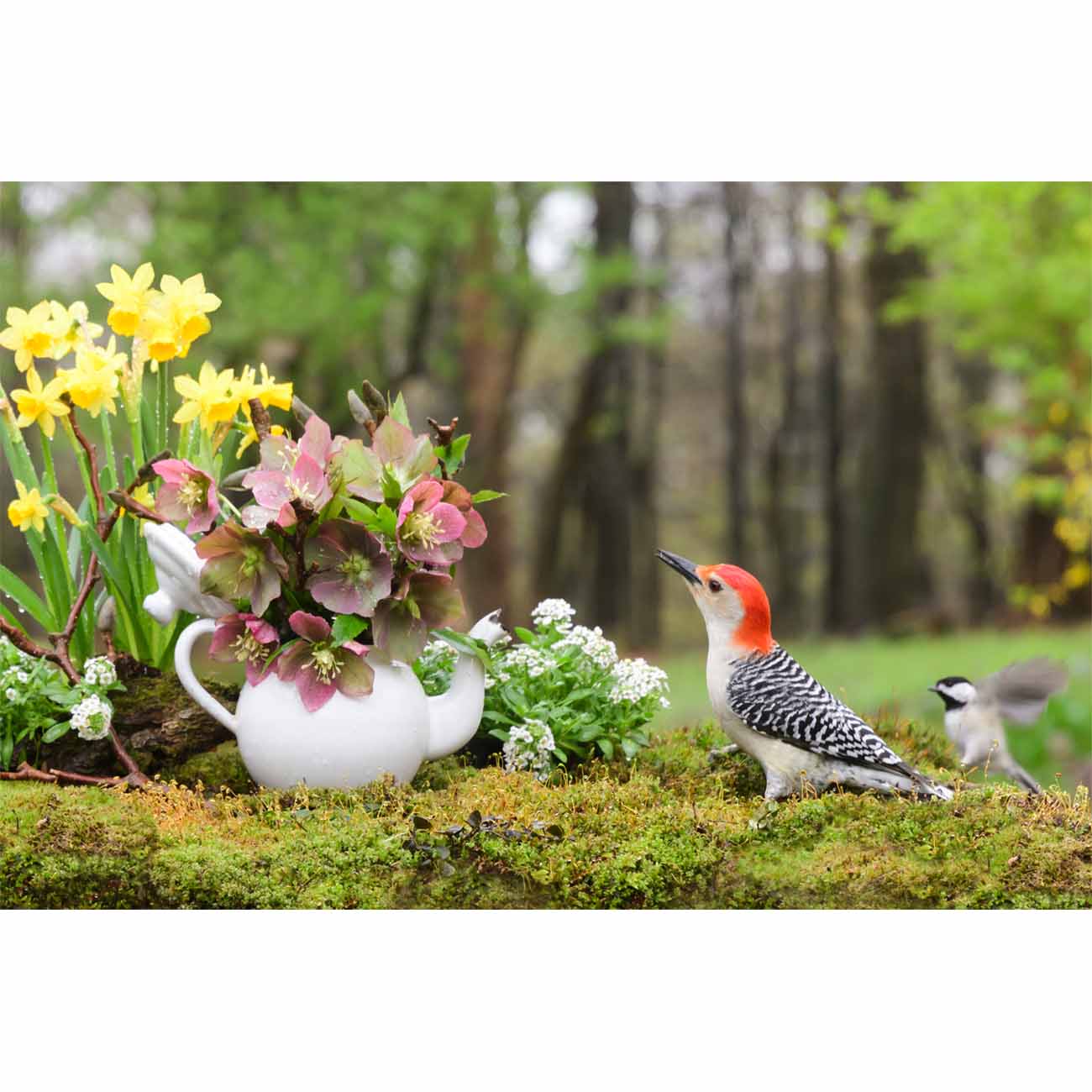
Giclée Canvas print, 16” x 24”
Original Photography, printed and hand stretched by AzarÉl Greetings.
Click here to see how our canvas prints are made.
| 3000 Left in Stock | ||

Original Photography

Original Photography
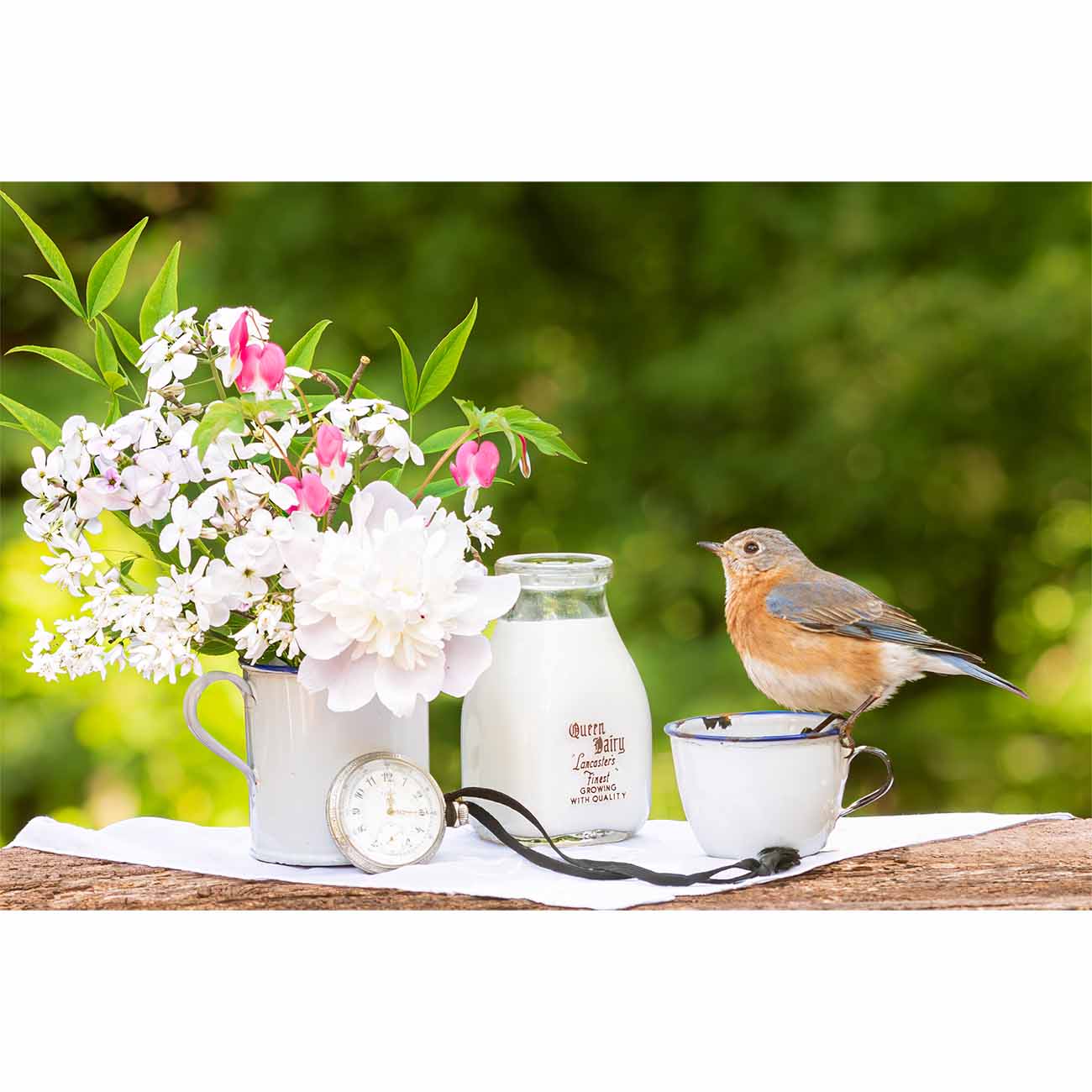
Giclée Canvas print, 16” x 24”
Original Photography, printed and hand stretched by AzarÉl Greetings.
Click here to see how our canvas prints are made.
| 3000 Left in Stock | ||
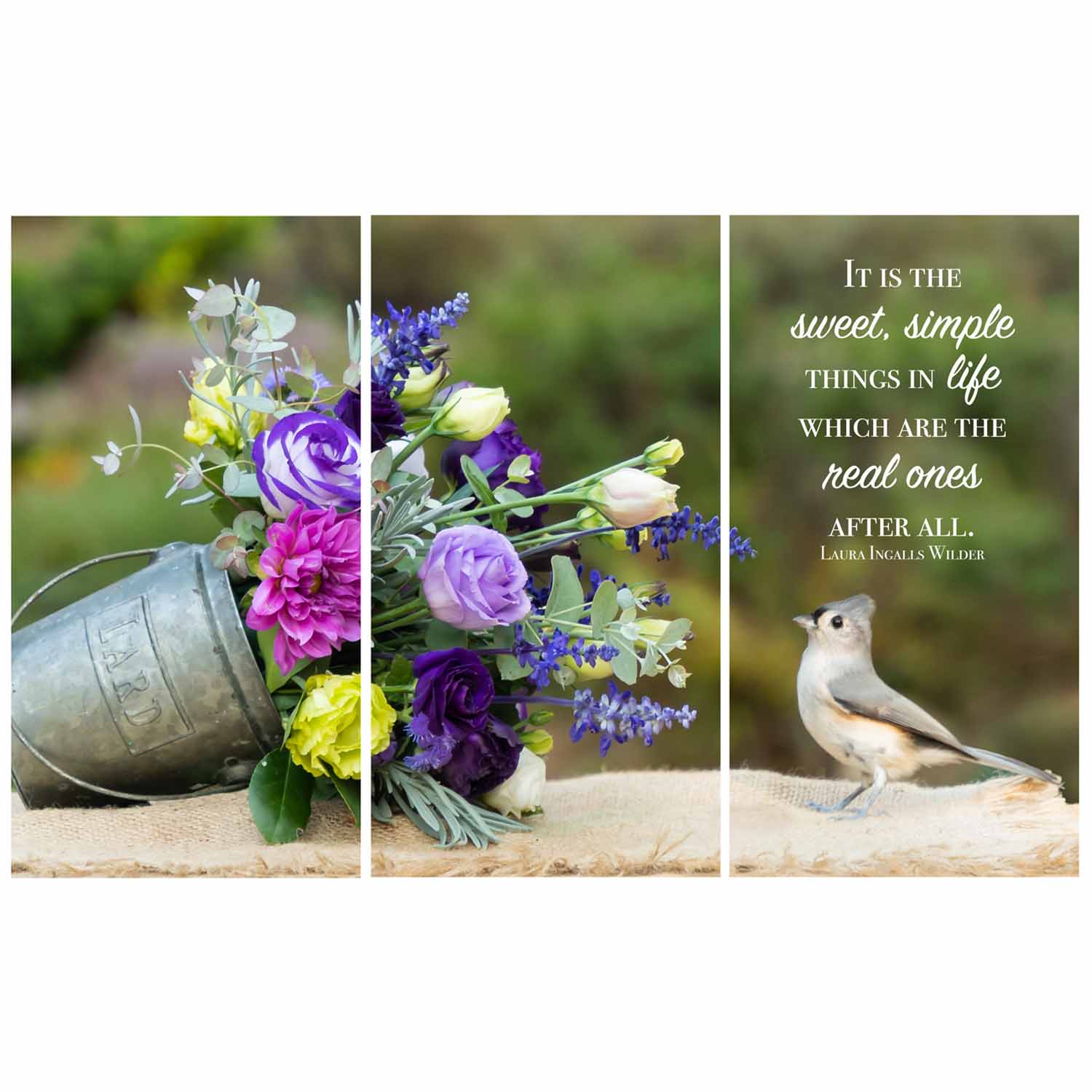
Giclée Canvas print, three panel triptych, 30" x 49 1/2" (w/ 3/4" gaps)
Original Photography, printed and hand stretched by AzarÉl Greetings.
| 3000 Left in Stock | ||

Original Photography
Click here to see how our canvas prints are made.

Original Photography

Original Photography
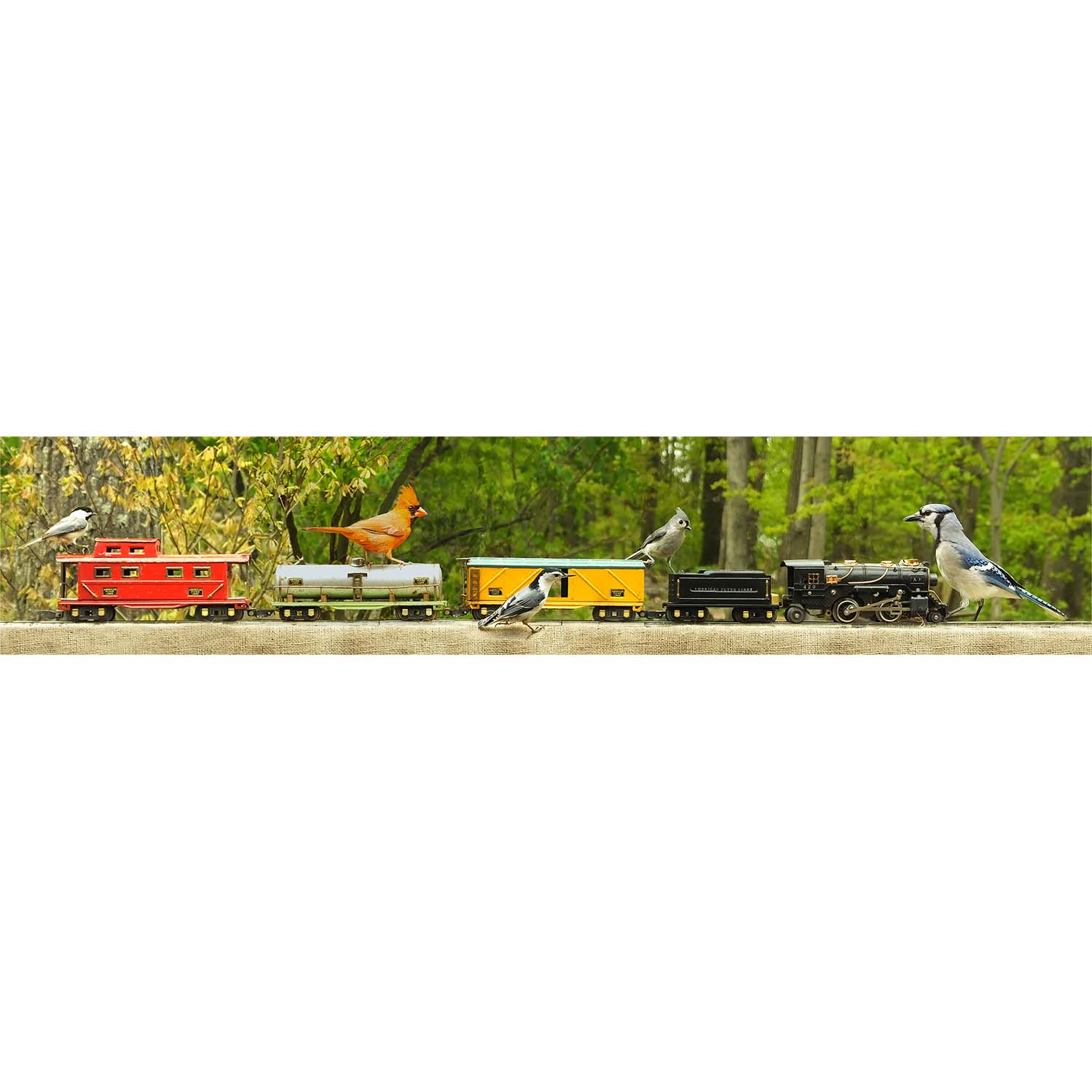
Giclée Canvas print, 8” x 40”
Original Photography, printed and hand stretched by AzarÉl Greetings.
Click here to see how our canvas prints are made.
| 3000 Left in Stock | ||


Original Photography
Click here to see how our canvas prints are made.