

Brrr! It’s frigid right now in eastern PA! The kind of finger-numbing, bone-chilling cold that penetrates the whole body. We bundle up, pull on boots, and wear fluffy knits. Do you remember eating a few too many Christmas cookies? Well, you can smile about that. A little bit of natural insulation works to your advantage in the winter!
Now give a thought to the little chickadees flying around your yard at sub-freezing temperatures. They live life on the edge! At only five to six inches long, chickadees are the length of a typical smartphone. An empty soda can or a handful of paperclips weighs about the same as a chickadee. That’s a mere 0.3 – 0.5 ounces. How on earth can these diminutive creatures survive?
There are six amazing features that help them survive and thrive in frigid weather. Their fluffy plumage provides excellent insulation. Little ‘dees’ have no need for fleece leggings or insulated boots. They have specially designed feet and legs. They also dramatically lower their body temperature using controlled hypothermia. A high metabolism helps them generate enough heat to stay warm. Chickadees huddle together to create a collective warmth. Finally, their version of nightly shelter could be a hole in a tree the size of a quarter. Chickadees, those tiny bundles of fluff, are designed with a remarkable physiology and a variety of strategies to survive frigid temperatures. Cartoons of birds wearing hats and scarves is endearing; the truth about chickadees in winter is jaw-dropping!

1. Downy Feathers
A chickadee’s feathers are its ultimate weapon against the cold. It’s version of a summer t-shirt and shorts is composed of about 1,100 feathers. In cold weather, it ‘bundles up’ in a winter coat of over 2,500 feathers. Midsummer to fall is a time of transformation for chickadees, as they undergo their annual molt, shedding worn feathers and growing a fresh, insulating winter coat. Like a fluffy cloud, down feathers trap a layer of warm air next to the skin, creating a cozy microclimate. The marvel of the outer plumage lies in its ability to repel water and wind. The outer feathers feature interlocking barbs and a protective oily coating. People have taken a page from nature’s book, using down feathers as inspiration for creating warm and cozy winter coats, vests, and gloves.
2. Specialized Feet and Legs
But a chickadee’s twiggy little legs and toes aren’t covered with feathers! Brrr! Chickadees tuck their legs beneath warm belly feathers and nestle their heads under their wings. But there’s a lot more to it than that. Bird feet and legs have scales to reduce heat loss. A chickadee’s body temperature runs a toasty 105 degrees during the day. They also have perpetually cold feet; that’s near 30 degrees cold! What’s going on? If their body and feet were the same temperature, there would be massive heat loss. Chickadees are designed with a counter-current heat exchange. This occurs before blood enters their legs. Warm blood flowing from the body core passes close to cold blood returning from the extremities. Heat is transferred from the warm blood to the cold blood, minimizing heat loss in the cold of winter. While their feet and legs are much cooler, it’s not cold to a chickadee. I still think a chickadee conga line would maximize warmth!
3. Controlled Hypothermia
Those little fluff-balls we call chickadees have a normal body temperature of 105 degrees during the day. If chickadees have enough food, they maintain a normal body temperature. However, they might shiver the whole time, even when asleep.
When temperatures drop below about thirty-two degrees, chickadees take more drastic measures. Chickadees lower their internal thermostats by twelve to fifteen degrees and as much as 22° F after dark. That’s about an 11 to 15% drop in temperature. We lower the thermostat in our home to spend less money on heat. In the same way, chickadees lower their temperature to use less of their fat reserves to stay warm.
We all know that people average a body temperature of about 97.6 degrees. There is a slight daily fluctuation in our body temperature, usually within a one-degree range. If our body temperature dropped by 11%, it would be around 87 degrees. That’s moderate hypothermia requiring immediate medical attention. Chickadees are designed to handle fluctuating body temperature and it doesn’t bother them. I much prefer staying warm under a cozy down comforter on cold winter nights.
4. High Fat Metabolism
Some people eat like birds, while others eat like vacuum cleaners, inhaling everything in sight. Those descriptions seem to be at opposite ends of the spectrum. Truth be told, in winter, a chickadee may eat more than 35% of its weight every day. As a chickadee, a 100-pound person would devour about 33 pounds of food!
How Chickadees Weather Winter is a short article packed with fascinating research. Margaret Clark Brittingham (wildlife ecologist) and Susan Sharbaugh, (Alaska-Fairbanks biologist) share stunning research:
“During the darkest days of Alaska’s winter, black-capped chickadees have to stuff themselves with enough seeds and frozen insects to survive 18-hour nights. [Sharbaugh’s] research showed that the birds gain an additional 10 percent or more of their body weight each day. (Another study found that chickadees consume 60 percent of their body weight each day.) They then went into hypothermia to reduce their metabolism and used up excess body fat to shiver all night to keep warm. The human equivalent of this overnight phenomenon would be a 165-pound man spending a frigid night outside and emerging 15 or so pounds lighter in the morning.”
“The thing that really impressed me about chickadees,” [Brittingham] says, “is their metabolism. We weighed birds early in the morning and found that they had virtually no body fat. Yet the same birds examined in the afternoon of the same day were bulging with fat.”
To sum it up, “eating like a bird” and “inhaling food like a vacuum cleaner” are about the same thing!
5. Huddling and Shivering
Do you remember winter days when a group hug was the only way to stay warm? It’s a collective human radiator! Smaller animals face a greater challenge than we do in retaining heat. A greater percentage of their body is exposed to the environment. The increased surface area acts like a large window through which heat escapes. Groups of chickadees huddle together to share warmth and reduce surface exposure. Like us, they shiver. Shivering involves a flurry of rapid muscle contractions that generates heat. Think of the chickadees as forming a cuddle puddle!
6. Sheltering at Night
Chickadees experience comfort at night in a way that’s completely unlike the comfort we feel in our beds. A ‘bed’ for a chickadee could be a tree cavity, a pile of leaves, or a crevice. Each chickadee tucks itself into a little space; holes only need to be the size of a quarter. Chickadees prefer roost holes that face away from the night wind and are insulated by the surrounding wood. If you’d like to help them, they appreciate a small birdhouse with a 1 1/4-inch entrance hole, placed in heavy natural cover.

Chickadees face the dead of winter against seemingly insurmountable odds. Fluffy feathers keep them cozy. With their specially designed feet and legs, they have no need of fleece leggings. At night, they get super chill (controlled hypothermia) and slow their bodies down to save energy. During the day, they eat lots of food to build a layer of fat that metabolizes into heat. They huddle together for warmth. A tiny hole or pile of leaves provides much-needed shelter. Chickadees have jaw-dropping ways to stay warm in frigid temperatures.
( Photograph: “Cozy Winter Friendship”
See more surprising bird photography at AzarElGreetings.com)
If I were a chickadee, I’d enjoy feasting every day. Going to sleep under downy feathers and waking up fifteen pounds lighter would be wonderful! The controlled-hypothermia, frigid feet, and shivering…totally unacceptable! I can imagine chickadees being irritated by snow like the one on the sweatshirt. Yet they go on flitting about and chattering to each other in spite of it all. Come to think of it, a chickadee is a pretty good role model!
“Say it Ain’t Snow” at EarthSunMoonTrading on Etsy

Smiles!

Sources:
How Do Birds Survive the Winter?
Cornell Lab: All About Birds, by Bernd Heinrich, December 19, 2018.
How Chickadees Weather Winter
National Wildlife Federation, by George H. Harrison, December 1, 2007.
Winter for Black-Capped Chickadees
GoFingerLakers, by Jacqueline Stuhmiller.
Chickadees on a Cold Winter Night
BirdNote, by Chris Peterson, October 18, 2018.
How Chickadees Make it Through Our Cold Winter Nights
Park Bugle, by Clay Christensen, December 15, 2014.
Chickadees on a Cold Night – Interview with Susan Sharbaugh
BirdNote, by Chris Petersen, October 18, 2018.
Finding a Mid-Winter Night’s Roost
University of Alaska Fairbanks News and Information, by Ned Rozell, December 22, 2022


Original Photography
| 998 Left in Stock | ||


Giclée Canvas print, 20” x 30”
Original Photography, printed and hand stretched by AzarÉl Greetings.
Click here to see how our canvas prints are made.
| 3000 Left in Stock | ||

Original Photography
Click here to see how our canvas prints are made.
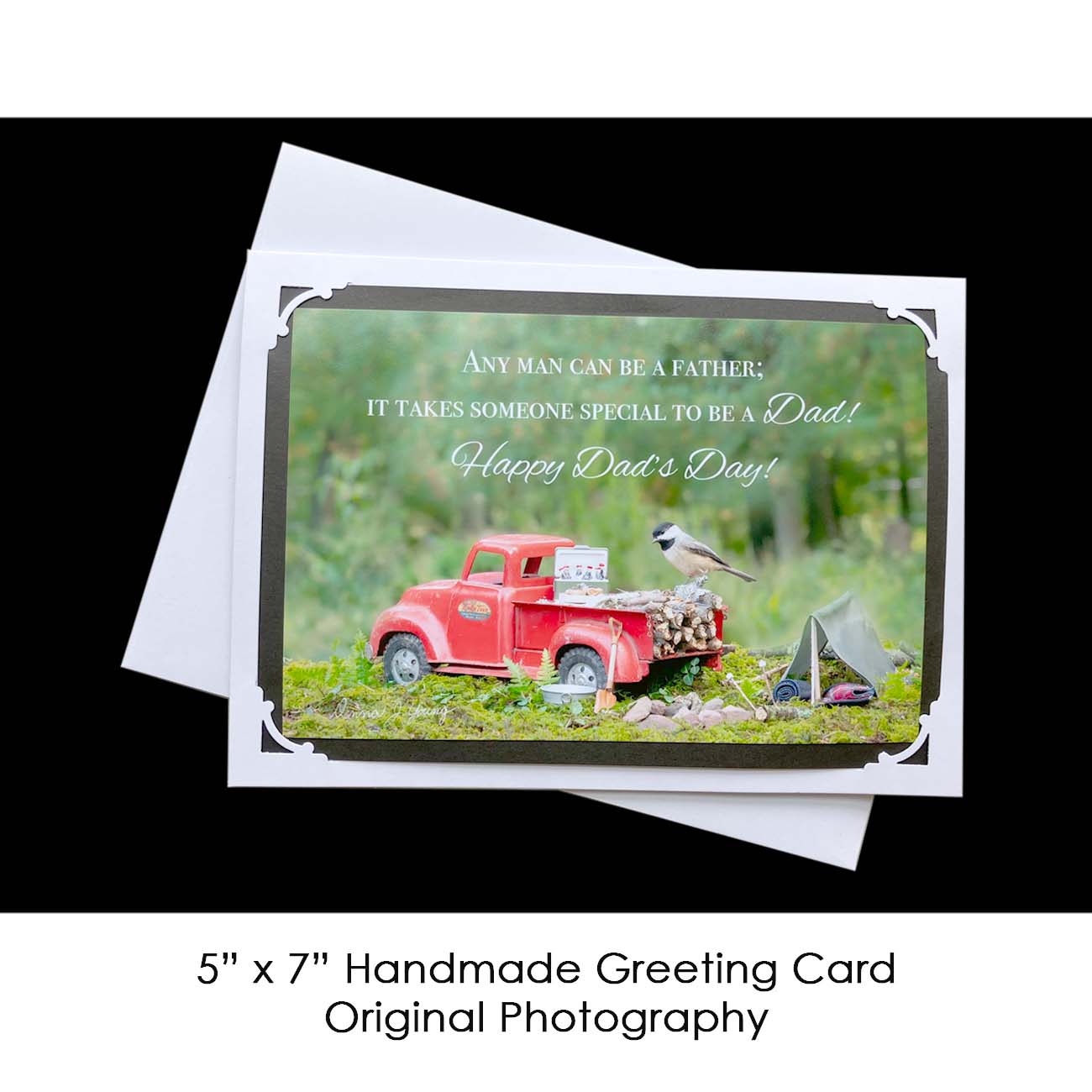
5" x 7" handmade greeting card, Original Photography
| 1000 Left in Stock | ||

5" x 7" handmade greeting card, Original Photography
| 999 Left in Stock | ||


Giclée Canvas print, 20” x 30”
Original Photography, printed and hand stretched by AzarÉl Greetings.
Click here to see how our canvas prints are made.
| 3000 Left in Stock | ||

Giclée Canvas print, 20” x 30”
Original Photography, printed and hand stretched by AzarÉl Greetings.
Click here to see how our canvas prints are made.
| 3000 Left in Stock | ||


Giclée Canvas print, 16” x 20”
Original Photography, printed and hand stretched by AzarÉl Greetings.
Click here to see how our canvas prints are made.
| 1000 Left in Stock | ||

Giclée Canvas print, 16” x 24”
Original Photography, printed and hand stretched by AzarÉl Greetings.
Click here to see how our canvas prints are made.
| 2999 Left in Stock | ||
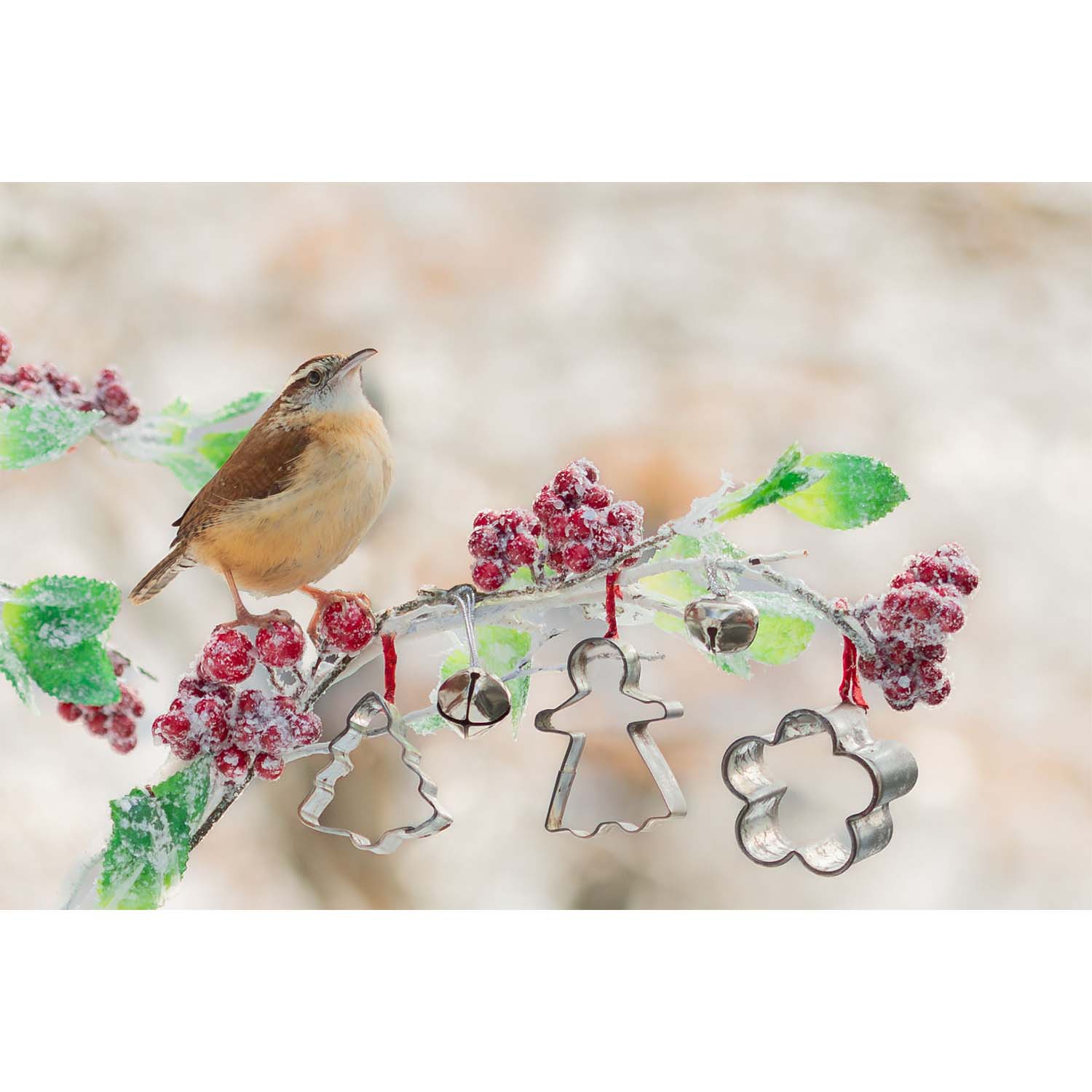
Giclée Canvas print, 20” x 30”
Original Photography, printed and hand stretched by AzarÉl Greetings.
Click here to see how our canvas prints are made.
| 3000 Left in Stock | ||


Giclée Canvas print, 20” x 30”
Original Photography, printed and hand stretched by AzarÉl Greetings.
Click here to see how our canvas prints are made.
| 3000 Left in Stock | ||