

Even though the landscape still looks like it’s holding its winter breath, little hints of spring are in the air. I’m already deep into choosing landscaping plants for this year. Lately, my garden obsession has shifted towards the quiet powerhouses of the plant world: small, perennial native plants. Beyond their simple beauty, these unsung heroes are vital for a thriving ecosystem, especially when it comes to supporting our feathered friends. From providing essential food sources like berries and seeds to offering crucial nesting sites and shelter, native plants are the cornerstone of a bird-friendly landscape. Let’s delve into why choosing native matters, how to thoughtfully select plants that will benefit your local birds, and how even a small patch of native flora can make a big difference in your own backyard, along with resources to help you get started.
Benefits of Native Plants: Less Fuss, More Flourish
To enhance our landscape, this year I’m focusing on adding native plants, and here’s why.
“Each plant in your landscape you should think of as a bird feeder,” says Doug Tallamy, an entomologist at the University of Delaware….. “It either has food in it, or it doesn’t.”

The Birds, Bees, and Butterflies Buffet
When it comes to attracting birds to your garden, native plants beat even the best bird feeders. Bird-plant relationships are often so intertwined that gardeners can attract specific feathered friends simply by cultivating the right native species. Remember that nesting birds are on the hunt for the most protein-packed, fatty foods to fuel the rapid growth of their chicks. That superfood is… insects! Caterpillars, in particular, are like little protein powerhouses, and they depend entirely on native plants for their survival. So, by planting natives, you’re not just creating a beautiful garden, you’re setting the table for a thriving insect and bird population.
Where to Buy Native Plants
It’s important to be specific when talking about native plants. Saying a plant is “native” to the US isn’t enough, as different regions have vastly different ecosystems. A plant native to Colorado, for example, wouldn’t be adapted to the conditions here in Pennsylvania and wouldn’t provide the same benefits to our local wildlife. Always look for plants that are specifically native to your region, like “native to Pennsylvania” or “native to the Mid-Atlantic.”
The easiest way to buy native plants is to seek out a nursery specializing in them. For those in Pennsylvania, the “Where to Buy Native Plants” page is an excellent resource, listing about eighteen locations. Make sure they avoid the use of systemic pesticides. Those chemicals are absorbed into a plant and distributed throughout its tissues. They pose a risk to the pollinators that you’re trying to encourage. The nursery can help you select plants that will work well together in your garden’s specific conditions.
Navigating the plant selection at large garden centers can be tricky if you’re looking for natives. Remember, the vast majority of plants sold there are ornamental, chosen for their aesthetic appeal rather than their ecological benefits. Shop with intention and don’t hesitate to ask if they have a dedicated native plant section. Even if they don’t, you can often find a few native gems tucked among the ornamentals. A plant tag will typically identify a native plant by explicitly stating the word “native” on the tag. While a specialized native plant nursery is ideal, a little extra effort at a large garden center can still yield some valuable native additions to your garden.
Native Plants Growing in My Garden
Here are three native plants that I already have and highly recommended for a woodland part shade / shade environment:

My number one choice, hands down is Woodland Blue Phlox (Phlox divaricata). This low-growing, well-behaved native perennial graces gardens with clusters of delicate, lavender-blue flowers. Its soft fragrance fills the air, a sweet reminder that spring has truly arrived. Research on the native plant database (in resources) shows it may attract fourteen different birds. It’s loved by butterflies and caterpillars. My cat, Tibbs, seemed to love phlox too!

Celandine Poppy (Stylophorum diphyllum) is a cheerful native wildflower that brightens up shady gardens with its vibrant yellow blooms. The four-petaled flowers resemble cheerful buttercups and dance above very attractive bluish-green foliage. Celandine Poppy develops unique, fuzzy seed pods that add further visual interest to the garden. It reseeds, creating beautiful patches of sunshine in the woods. If this isn’t desired, they’re easy to remove.

Black-Eyed Susans (Rudbeckia hirta) are a beloved native wildflower that adds a burst of sunshine to any garden with its cheerful golden-yellow blooms and dark contrasting centers. These vibrant flowers attract a plethora of pollinators, including butterflies, bees, and other beneficial insects. In the fall, the spent blooms form seed heads that provide a valuable food source for birds. “Susans” may attract thirteen different birds as well as provide for butterflies and caterpillars. Bring on these blooms!
Find Your Perfect Natives: Resource Guide
The Finding Bird-Friendly Native Plants database is an easy-to-use native plants database. It first filters using your zip code. One sub-search uses plant type: annuals / perennials, evergreens, grasses, shrubs, succulents, trees and vines. Another sub-search lists plants by the kind of birds they attract; hummingbirds, cardinals, and thrushes (bluebirds) to name a few. For example, choosing hummingbirds for my zip code results in two pages of native plants!

A second great resource is Common Native Plants. This database allows choices for bloom season, flower color, and growth duration (annual, perennial, biennial). It can also be searched using the plants name. There’s an advanced search that allows searches by habitat. I love searching by forest and forest margin!
So, there you have it…
In landscapes shaped by human hands, the survival of birds often rests on the choices of gardeners. We must recognize that conventional gardening practices can inadvertently deprive birds of the essential food sources they need. However, even small-scale changes, like planting native species in a backyard, can have a significant positive impact on bird populations. This empowers every gardener to become a steward of their local ecosystem. If you’re already dreaming of plants, be sure to give a consideration to the natives. Zach Slavin puts it so well: “Native plants beat even the best bird feeder!”

I almost forgot to mention…
I photograph backyard birds in a surprising way. I’m a bit of a bird-scene architect, repurposing vintage charm and weaving in floral artistry to create captivating spaces for my feathered visitors. They cooperate for secret snacks. (Sssssh! Don’t tell!) The image at the left is “The Little Gardener”. Check out AzarElGreetings.com on line of visit us in person. Our show schedule is on our site.

Resources:
Where to Buy Native Plants – Lists places throughout Pennsylvania that specialize in native species
Check out these two places to buy native plants:
Audubon Articles:
2. Grow These Native Plants So Your Backyard Birds Can Feast
3. Yards With Non-Native Plants Create ‘Food Deserts’ for Bugs and Birds
4. Finding Bird-Friendly Native Plants
Flora of PA: Common Native Plants – A very helpful native plant database
10 Benefits of Gardening with Native Plants
North Carolina Audubon: Bird-Friendly Native Plants of the Year

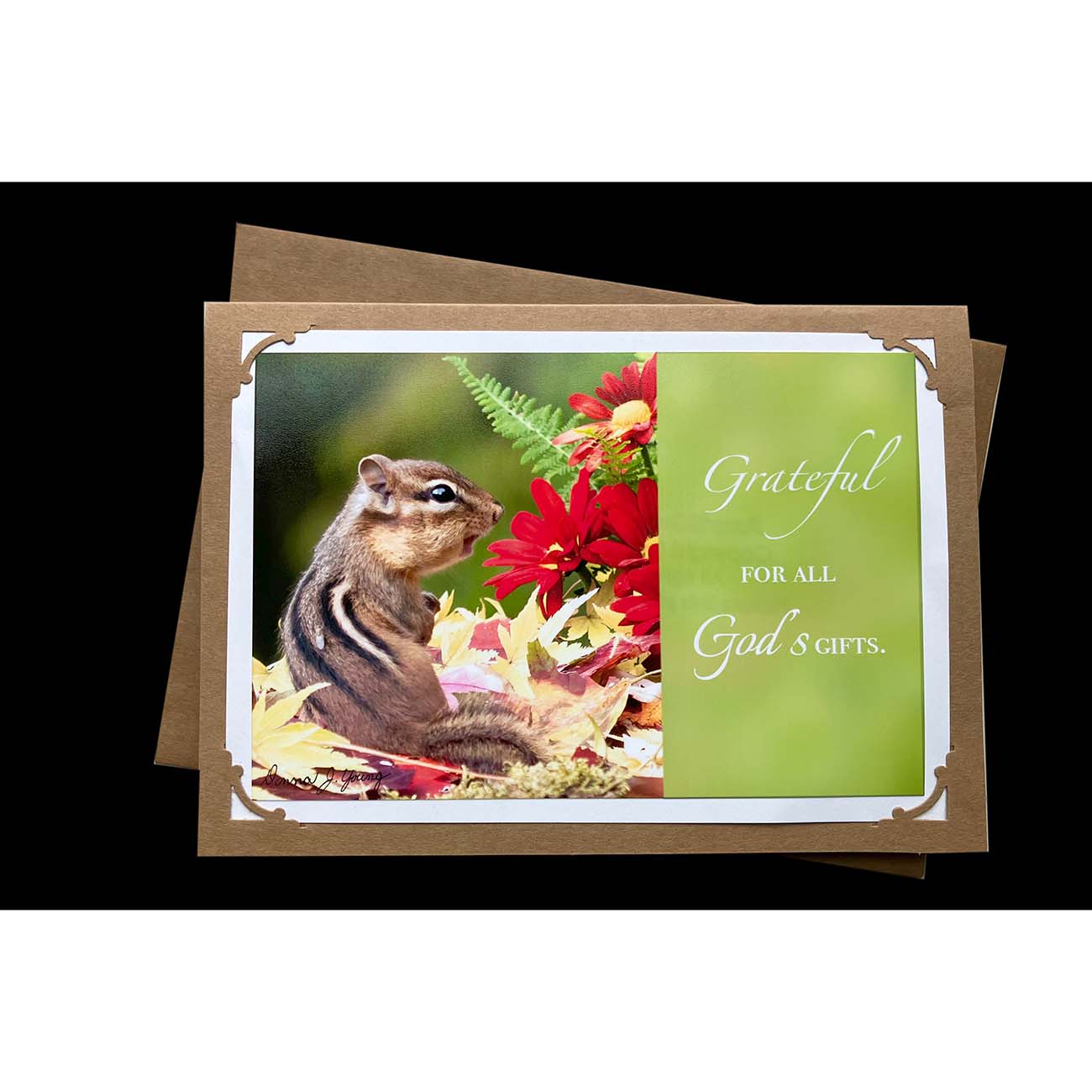
Original Photography
| 999 Left in Stock | ||

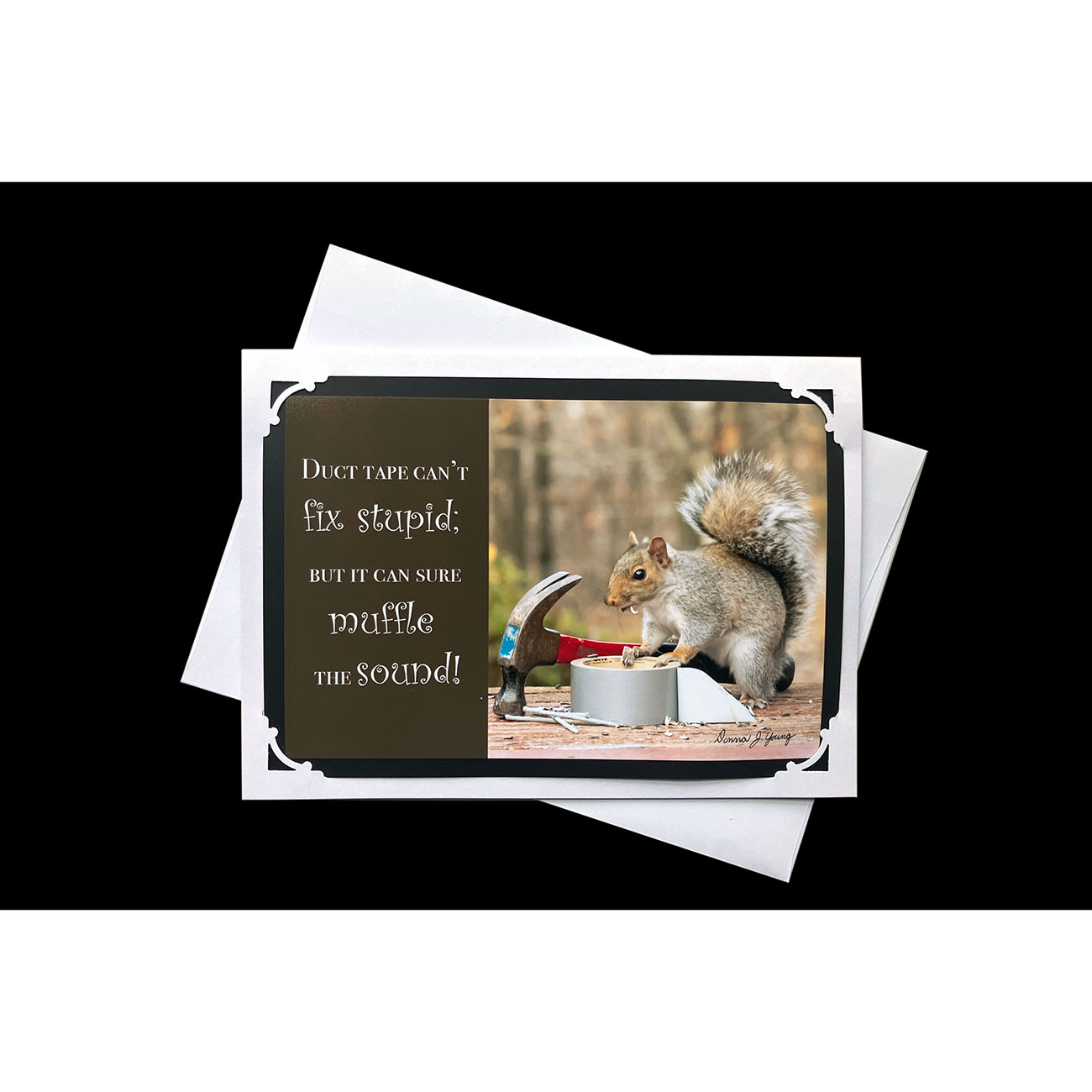
Original Photography
| 1000 Left in Stock | ||
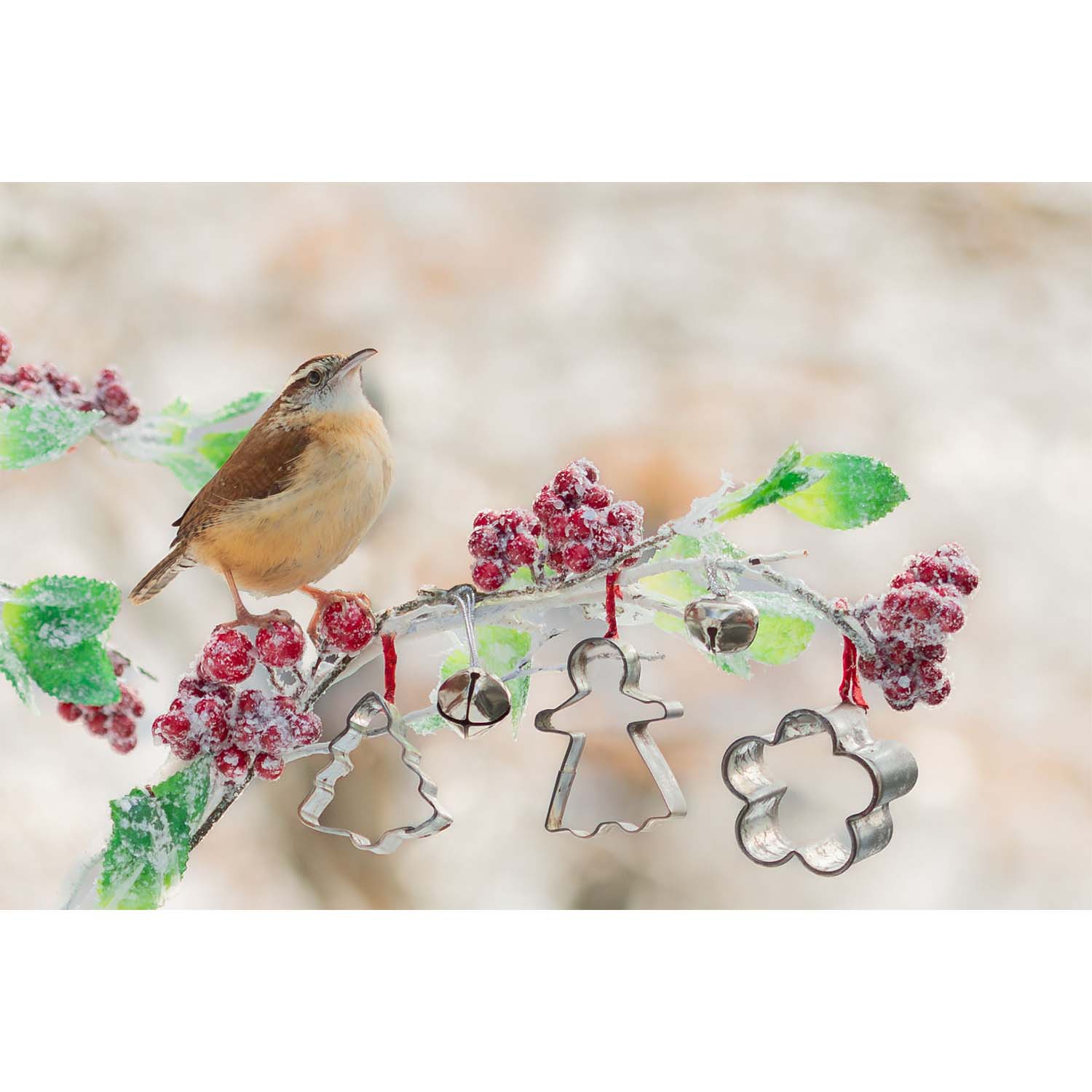
Giclée Canvas print, 20” x 30”
Original Photography, printed and hand stretched by AzarÉl Greetings.
Click here to see how our canvas prints are made.
| 3000 Left in Stock | ||
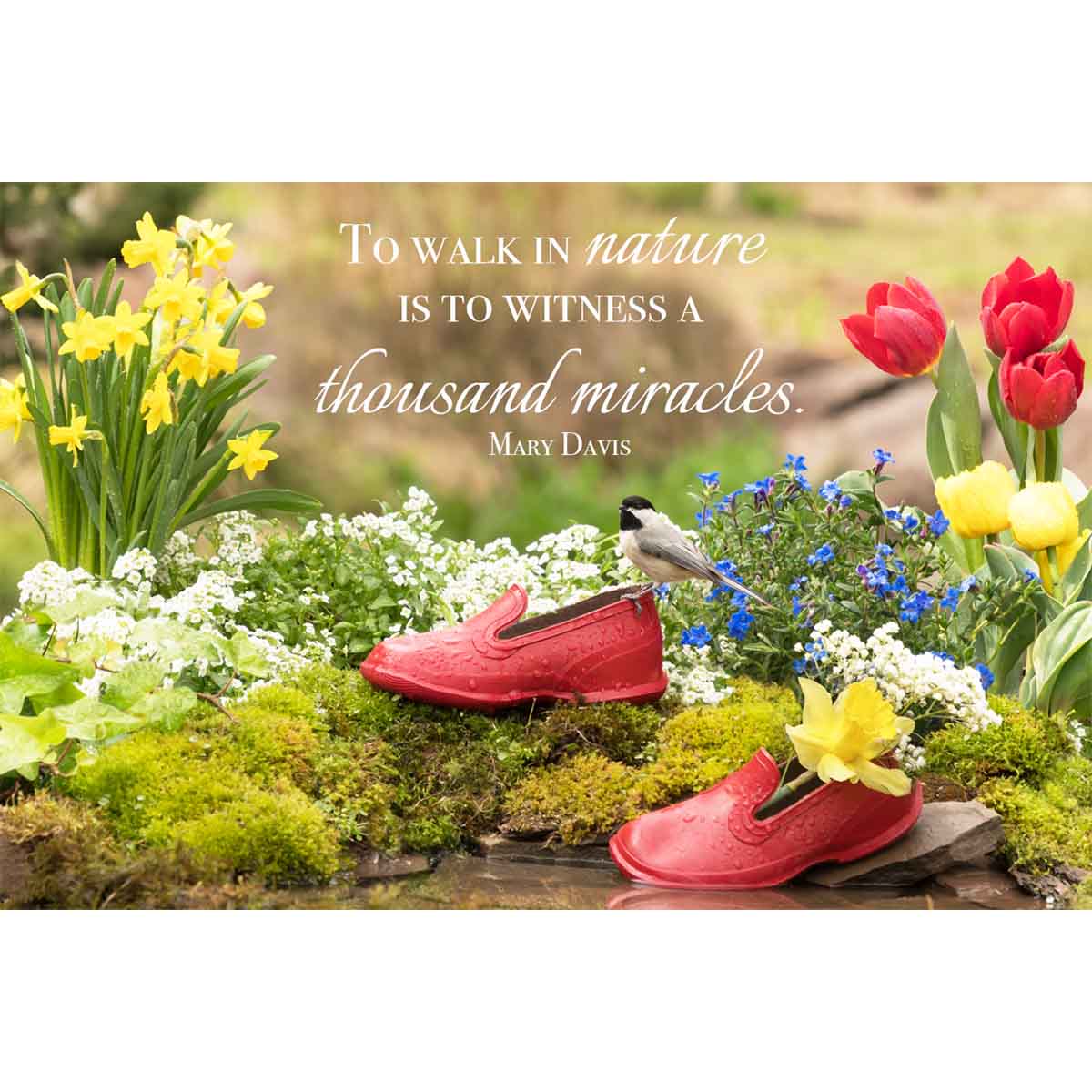
Giclée Canvas print, 16” x 24”
Original Photography, printed and hand stretched by AzarÉl Greetings.
Click here to see how our canvas prints are made.
| 3000 Left in Stock | ||
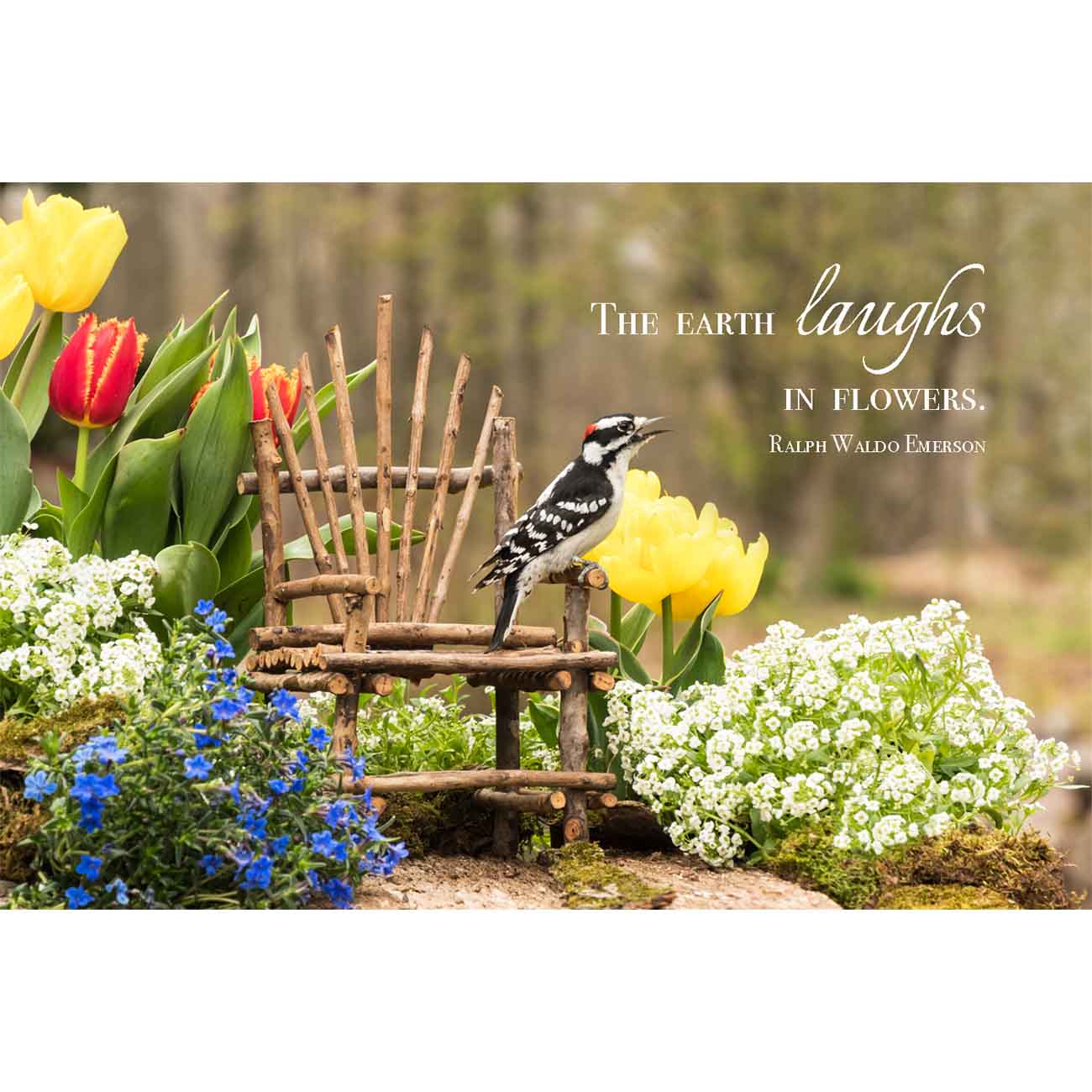
Giclée Canvas print, 16” x 24”
Original Photography, printed and hand stretched by AzarÉl Greetings.
Click here to see how our canvas prints are made.
| 3000 Left in Stock | ||
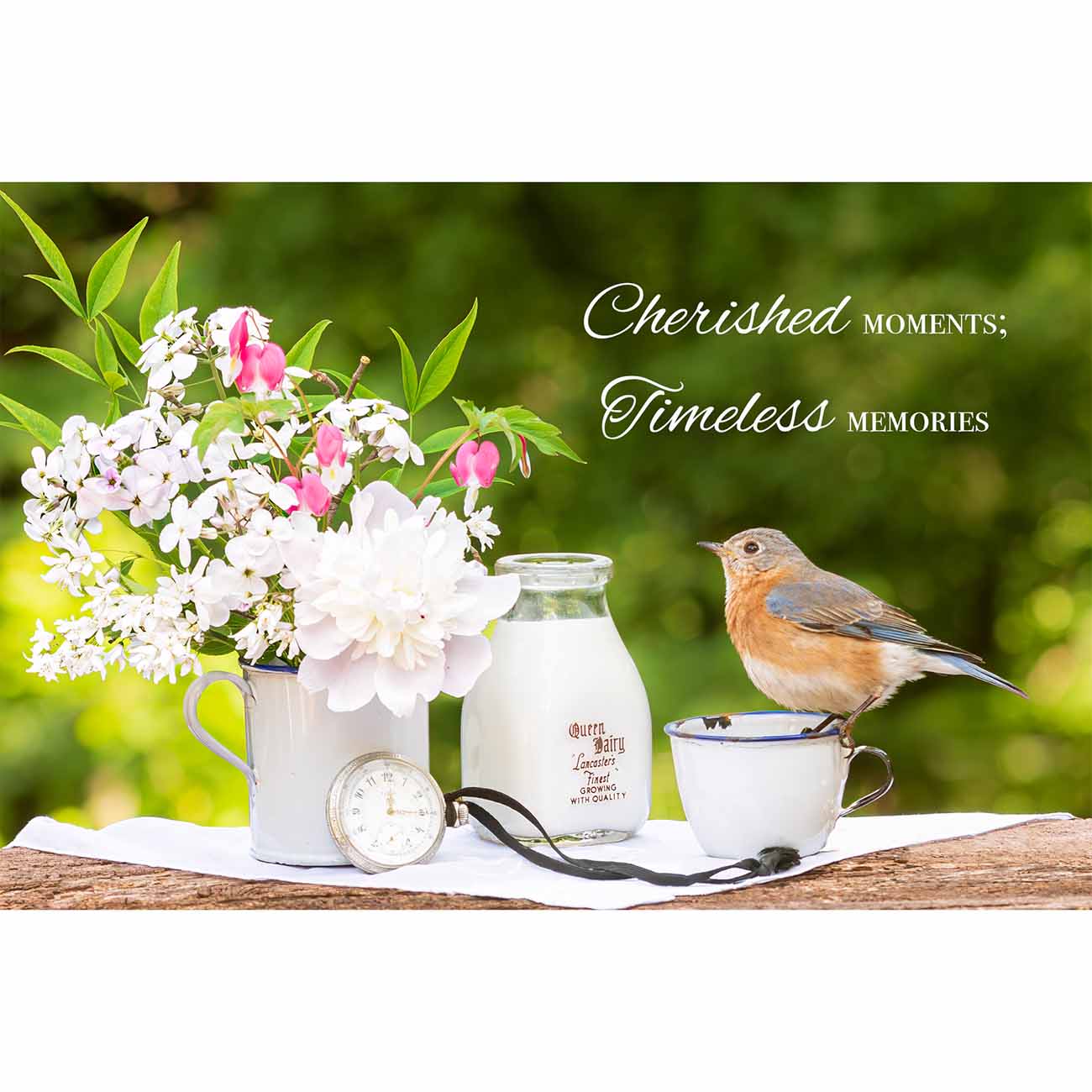
Giclée Canvas print, 16” x 24”
Original Photography, printed and hand stretched by AzarÉl Greetings.
Click here to see how our canvas prints are made.
| 3000 Left in Stock | ||
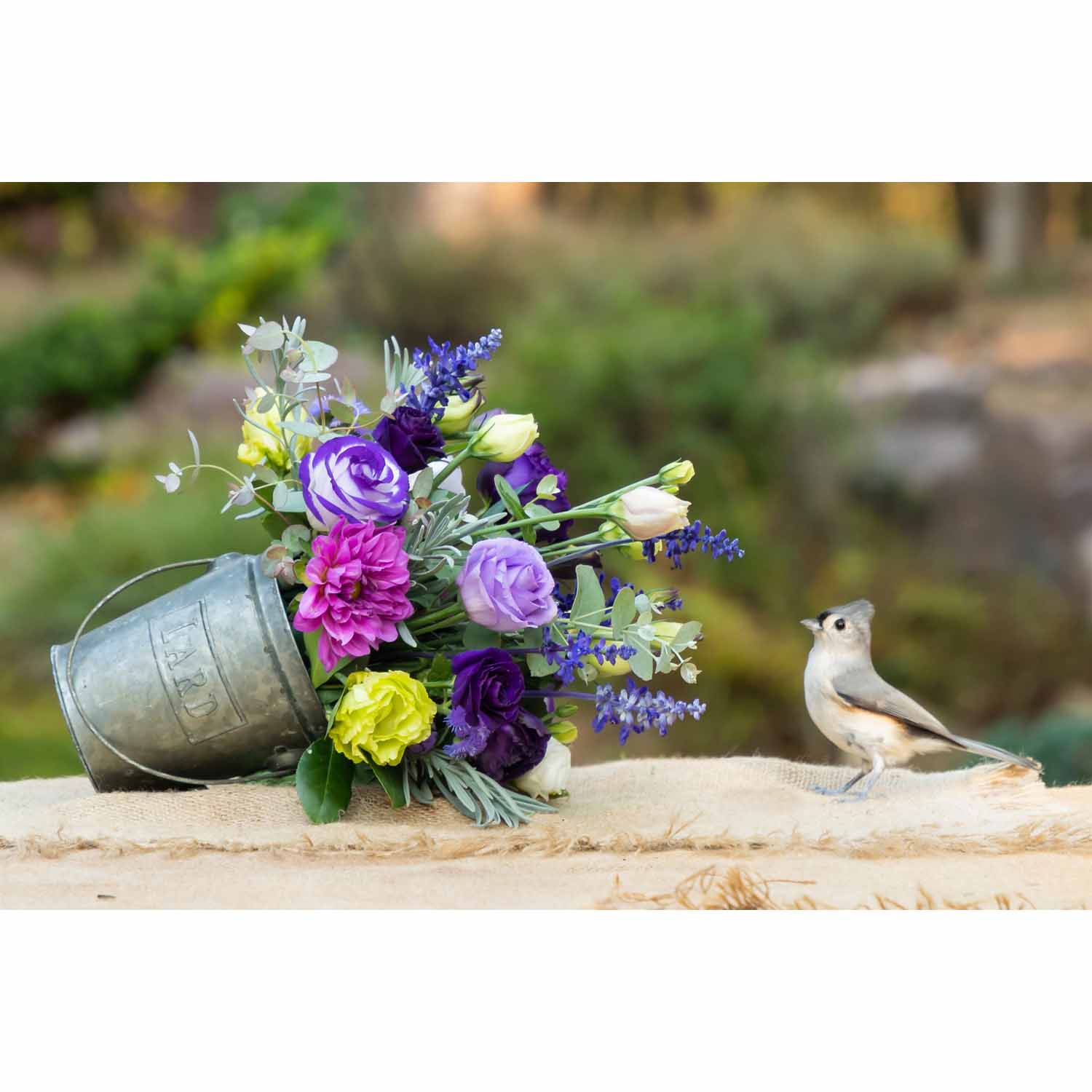
Giclée Canvas print, 16” x 24”
Original Photography, printed and hand stretched by AzarÉl Greetings.
Click here to see how our canvas prints are made.
| 3000 Left in Stock | ||
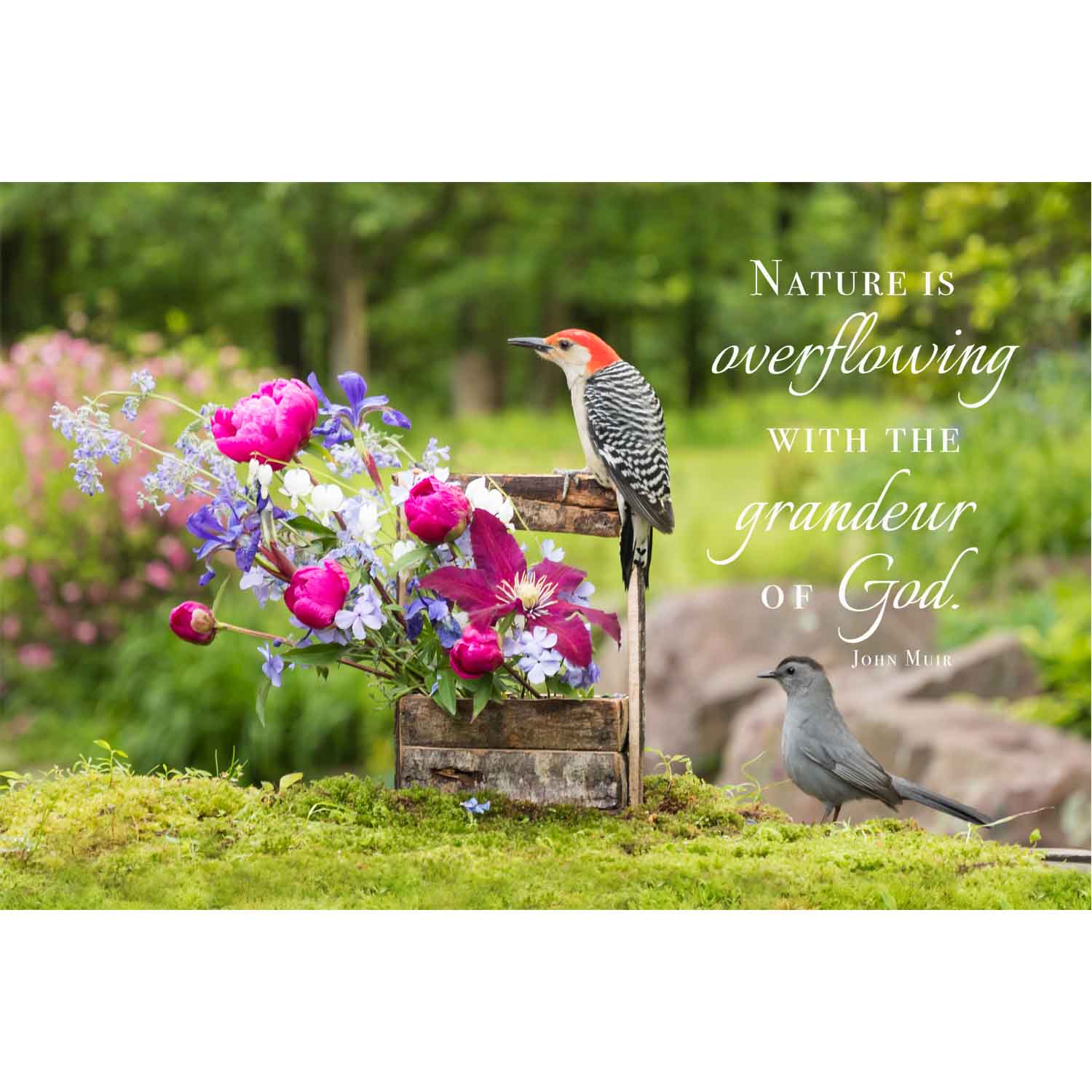
Giclée Canvas print, 16” x 24”
Original Photography, printed and hand stretched by AzarÉl Greetings.
Click here to see how our canvas prints are made.
| 3000 Left in Stock | ||

Original Photography

Giclée Canvas print, 16” x 20”
Original Photography, printed and hand stretched by AzarÉl Greetings.
Click here to see how our canvas prints are made.
| 1000 Left in Stock | ||

Giclée Canvas print, 16” x 24”
Original Photography, printed and hand stretched by AzarÉl Greetings.
Click here to see how our canvas prints are made.
| 1000 Left in Stock | ||
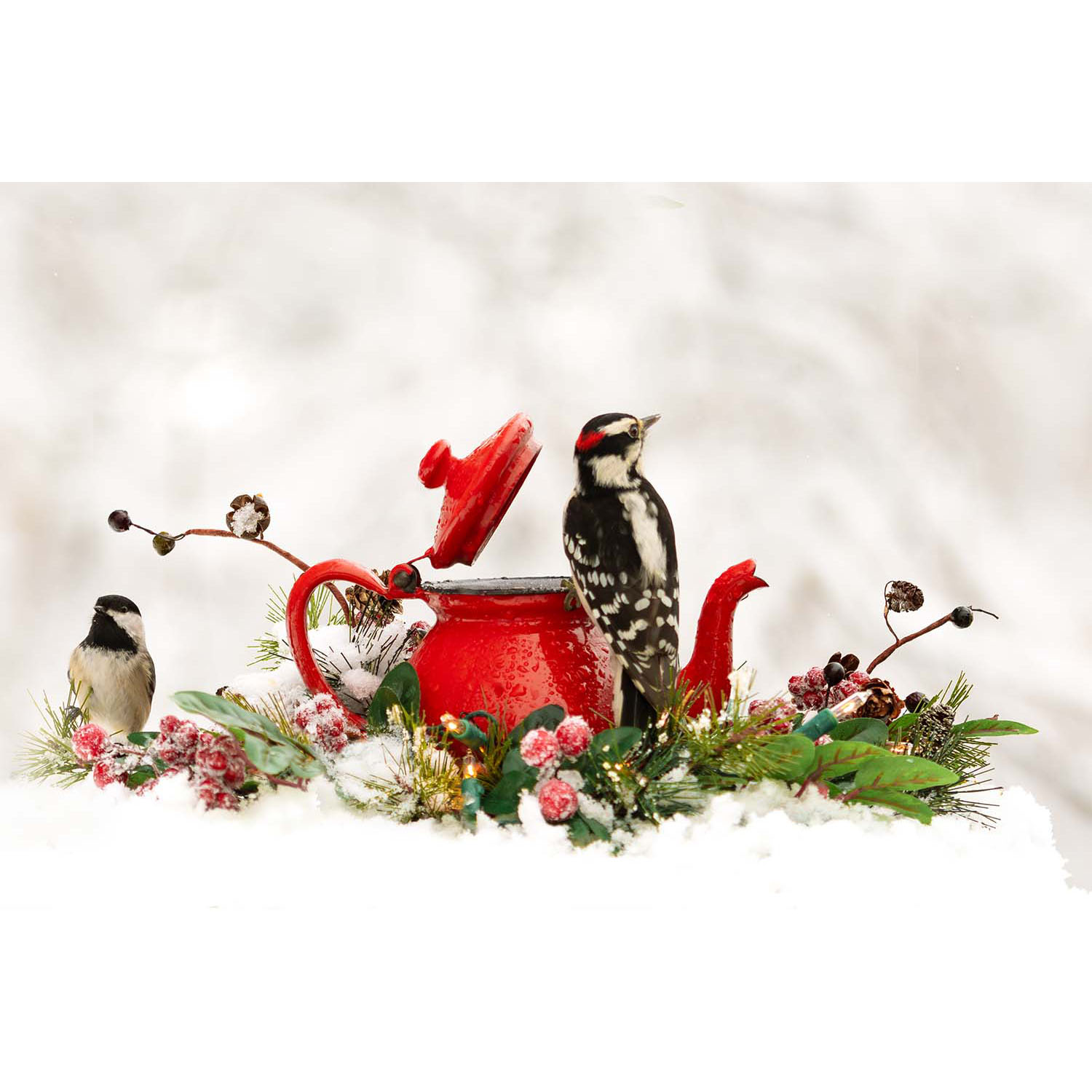
Giclée Canvas print, 20” x 30”
Original Photography, printed and hand stretched by AzarÉl Greetings.
Click here to see how our canvas prints are made.
| 3000 Left in Stock | ||

Original Photography
Click here to see how our canvas prints are made.

Original Photography