

Hawk Mountain is asking for your help keeping our eyes on local open grasslands and marshes. They’re tracking an endangered, spectacular raptor known as the “ghost hawk”—the northern harrier. Adult males earn this eerie nickname from their striking, pale silver-gray plumage that seems to vanish as they hunt silently just feet above the grass. In fact, this bird’s hovering and hunting style is so incredible that the famous Harrier military jet, known for its vertical take-offs and landings, was named after it! Right now, through the end of July, the Pennsylvania Northern Harrier Project is mapping their local nesting grounds, and your everyday observations are really helpful. Read on to discover what makes this incredible bird—and its aircraft namesake—so special, and exactly how you can join the mission.
Imagine a raptor that refuses to soar high in the clouds, choosing instead to hug the earth like a low-flying phantom. The Northern Harrier relies on a beautiful mix of unique aerodynamics and stealth adaptations to rule the grasslands. Their deep, deliberate wing strokes generate immense lift at very slow speeds. When they spot a potential meal or need to pause, they seamlessly transition into a brief, wind-facing hover. They hang there, buoyed up by the breeze like a kite on a string, before dropping straight down onto their prey.
Unlike most hawks that hunt purely by sight, harriers possess an extraordinary secret weapon. They have stiff facial feathers that form a tight disk, acting just like an owl’s face. This facial disk operates like a satellite dish, channeling hidden sounds directly to their ears. It allows them to pinpoint and track hiding prey in dense weeds by both sight and sound.
When you watch a harrier hunt, the flight looks beautifully erratic. They tilt, bank, and suddenly freeze mid-air. Their exceptionally long, broad wings lift an incredibly lightweight body. A long, rudder-like tail acts as a powerful brake and steering mechanism. This setup lets the bird pivot instantly on a dime the moment a mouse moves below. From their spectacular, U-shaped aerial courtship dances to their rare habit of sleeping and nesting entirely on the ground, these birds are absolutely fascinating.

When you are out looking for harriers, keep these key visual and behavioral cues in mind:

Hawk Mountain tracks these raptors using two quick methods. Choose whichever is easiest for you:
Method 1: Use the eBird App (Easiest)
Simply log your sighting on the free eBird app. Before submitting, go to your app settings and switch your portal to the Pennsylvania Bird Atlas. The research team pulls data directly from here!
If you prefer, you can submit details straight to the Farmland Raptor Sightings Form. It only takes a minute:
You don’t need a formal expedition to make a difference; you can help just by weaving a little “ghost hawk” scouting into your normal routine. Consider keeping a pair of binoculars in the car for passengers during your everyday errands or taking an intentional evening drive past local marshes and broad, open grasslands. Turning a casual drive into a family “field trip” is a great way to keep kids engaged. Because harriers are secretive nesters across large rural landscapes, these everyday, opportunistic observations are incredibly valuable.
If you want to plan a more intentional, dedicated day trip to find them, the Middle Creek Wildlife Management Area in Stevens, PA is the perfect destination. It features thousands of acres of expansive grasslands, marshes, and shallow wetlands where these raptors love to hunt. Making it even better for families, they offer free “Discovery Backpacks” that both children and adults can borrow. These packs come fully loaded with hands-on gear—including binoculars, magnifying glasses, educational guides, and activity sheets—giving your amateur explorers everything they need for a successful afternoon on the trail.
If you happen to be a landowner of property with grasslands and marshes, please keep your eyes especially peeled. You will be more aware of consistent harrier hawk sightings and possible nesting areas that a casual bypasser might miss.

The northern harrier is a vulnerable, state-threatened species right here in Pennsylvania. Data from the Pennsylvania Bird Atlas documented a dramatic 43% reduction in their nesting distribution between the 1980s and 2010—that’s almost half! These raptors require expansive, unfragmented grasslands or marshes to successfully raise their young. However, because they nest directly on the ground in tall grasses, they are frequently exposed to being mown over as the hay crop is harvested.
This critical situation prompted Hawk Mountain to launch a multi-year research project to help increase their chances of survival.
Researchers are using cutting-edge satellite technology. This involves capturing and equipping adult and juvenile harriers with lightweight GSM satellite transmitters that attach like secure backpacks. These high-tech devices use cellular networks to beam real-time geographic data directly into the scientists’ database. By following these satellite indicators, the team can map precise home ranges, identify critical foraging zones, and trace long-distance migration routes.
For the landscape portion of the study, researchers are mapping out where Pennsylvania’s remaining large, undisturbed grasslands and marshes are located to find where the birds can still safely nest. This mapping is vital because grassland is one of the fastest disappearing habitats in the United States. In Pennsylvania alone, cropland decreased by 43% between 1940 and 2012. Pasture areas have diminished by a surprisingly high 88% during an even smaller time frame.
Humans have always looked to nature for engineering inspiration. The famous Harrier Jump Jet—a family of military jet aircraft developed in the 1960s—was named directly after this remarkable bird of prey.
Just like the hawk methodically sweeps, hovers, and hunts low to the ground, engineers designed the Harrier jet with unique Vertical and Short Takeoff and Landing capabilities. Using a system called thrust vectoring, the jet can direct its engine exhaust downward. This allows the plane to hover in mid-air, fly at low speeds, and take off straight up without a runway, mirroring the exact low-altitude agility that the northern harrier uses to hunt every day.
This incredible piece of engineering doesn’t just help with tricky takeoffs—it also makes for a legendary defense mechanism in the sky. If an enemy fighter jet gets behind a Harrier during a high-speed dogfight, the pilot can suddenly rotate those thrust nozzles downward. The jet abruptly brakes and shoots upward at an unnatural angle, forcing the pursuing plane to overshoot and fly right past them. In an instant, this clever maneuver turns the Harrier from the hunted into the hunter.
Enjoy a fabulous 250th 4th of July celebration. Be sure to remember the Harrier Hawk this month. By scanning the low horizons of our local grasslands and marshes this summer, you can play a direct role in preserving the northern harrier. Your sightings provide Hawk Mountain researchers with the data they need to protect these ground-nesting raptors. Grab your binoculars, check your open fields, and report your data to help secure the future of this species.


Giclée Canvas print, 16” x 20”
Original Photography, printed and hand stretched by AzarÉl Greetings.
Click here to see how our canvas prints are made.
| 1000 Left in Stock | ||

Giclée Canvas print, three panel triptych, 30" x 49 1/2" (w/ 3/4" gaps)
Original Photography, printed and hand stretched by AzarÉl Greetings.
| 3000 Left in Stock | ||

Giclée Canvas print, 16” x 24”
Original Photography, printed and hand stretched by AzarÉl Greetings.
Click here to see how our canvas prints are made.
| 3000 Left in Stock | ||

Giclée Canvas print, 20” x 30”
Original Photography, printed and hand stretched by AzarÉl Greetings.
Click here to see how our canvas prints are made.
| 3000 Left in Stock | ||

Giclée Canvas print, 16” x 24”
Click here to see how our canvas prints are made.
| 1000 Left in Stock | ||


Giclée Canvas print, three panel triptych, 20" x 33" (w/ 3/4" gaps)
Original Photography, printed and hand stretched by AzarÉl Greetings.
| 3000 Left in Stock | ||

Original Photography
| 997 Left in Stock | ||

Original Photography

Giclée Canvas print, 20” x 30”
Original Photography, printed and hand stretched by AzarÉl Greetings.
Click here to see how our canvas prints are made.
| 3000 Left in Stock | ||

Original Photography

Giclée Canvas print, 16” x 20”
Original Photography, printed and hand stretched by AzarÉl Greetings.
Click here to see how our canvas prints are made.
| 1000 Left in Stock | ||

Giclée Canvas print, 16” x 24”
Original Photography, printed and hand stretched by AzarÉl Greetings.
Click here to see how our canvas prints are made.
| 3000 Left in Stock | ||
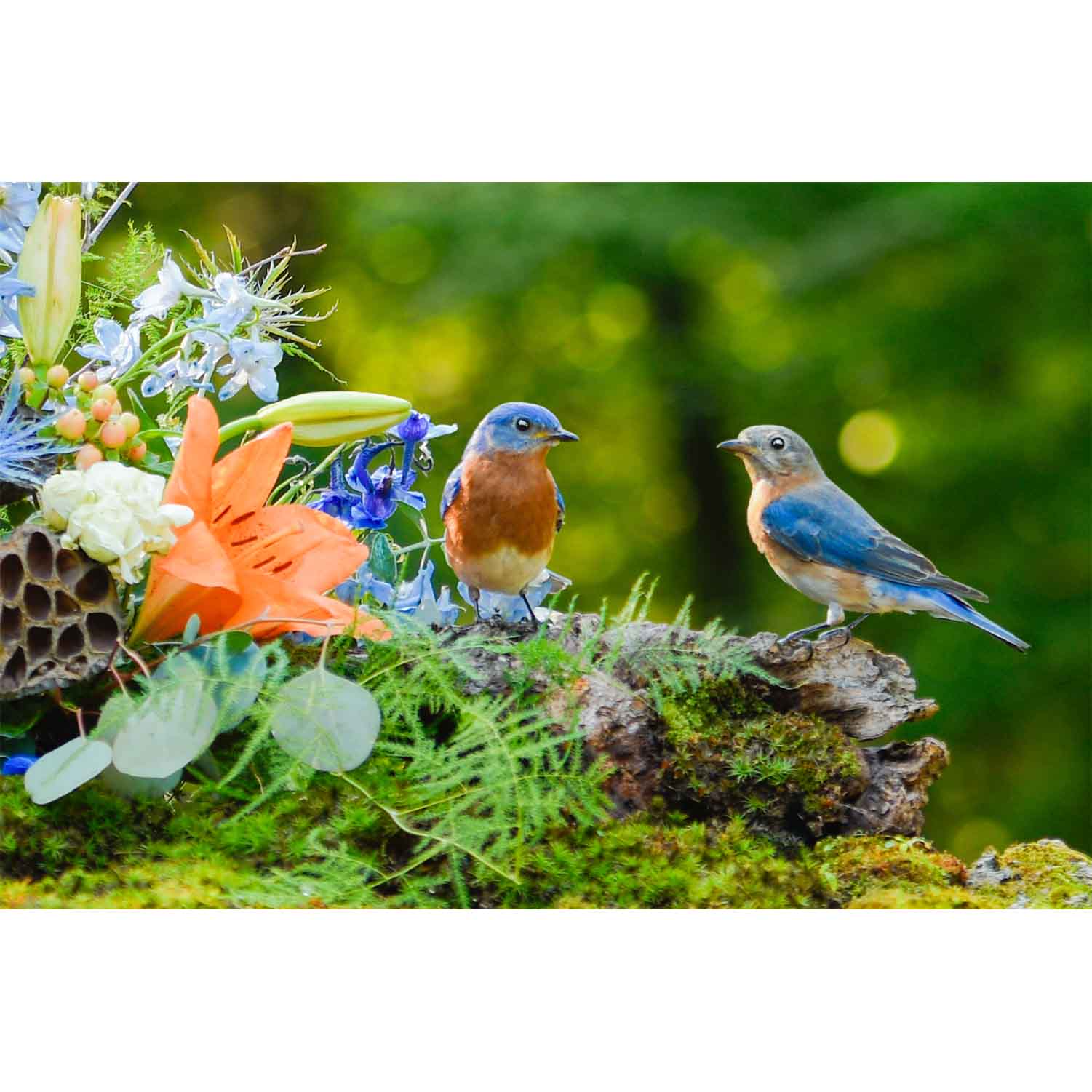
Giclée Canvas print, 16” x 24”
Original Photography, printed and hand stretched by AzarÉl Greetings.
Click here to see how our canvas prints are made.
| 3000 Left in Stock | ||

Giclée Canvas print, 20” x 30”
Original Photography, printed and hand stretched by AzarÉl Greetings.
Click here to see how our canvas prints are made.
| 3000 Left in Stock | ||