

Kentucky (Recap)
The Panic of 1819 plunged the Audubon’s into financial ruin. Bankruptcy forced the sale of their home and possessions, and Audubon endured the humiliation of imprisonment. His cherished bird paintings, deemed worthless by others, were returned to him. In this devastation, Audubon lost his self-confidence and feelings of worth.
Travels: The Next 10 Years
About 1820, around the age of 35, Audubon declared his intention to paint every bird in North America. Says Audubon, “My wife determined that my genius should prevail, and that my final success as an ornithologist should be triumphant.”

Audubon’s artistic pursuit was a demanding one. Birds were killed with a scattergun, with the aim of minimizing damage to their delicate plumage. He accumulated vast numbers of specimens.
Once acquired, the birds underwent a meticulous process of cleaning and positioning. “Audubon pinned his specimens to a wooden grid, arranging their wings, tails, and heads in lifelike positions. Using a duplicate grid, he sketched the birds exactly to scale, reproducing each feather to the smallest detail.” Illustrations were actual size with anatomical precision
Settings were drawn from his own observations or his vivid imagination. Watercolors and pastel crayons were his preferred artistic toolkit. His dedication was unwavering; he was known to rise at three in the morning, embarking on hunting and research expeditions before returning to his studio to draw for hours. In the evenings, he would often return to the field for further observations.
Presentation and Publication of His Work
In 1824, Audubon, after a decade of tireless work, saw his masterpieces rejected by the Philadelphia Academy of Sciences. Dejected, he found solace in the words of Thomas Sully, Philadelphia’s renowned painter. Sully, captivated by Audubon’s “strength of expression” and “exquisite representation,” declared his bird paintings surpassed even the “first masters of Europe.”
Rejected in America, Audubon sought financial support and expert engraving services in England. His arrival coincided with the publication of James Fenimore Cooper’s The Last of the Mohicans, and the English were captivated by his rugged, outdoorsman persona – shoulder-length hair, bronzed skin, and a wardrobe reminiscent of a frontiersman. He toured Edinburgh, London, and Paris, charming potential subscribers with his captivating stories, though his accounts were often embellished with evasions and outright fabrications. “People were starved for images in those days. Audubon’s work is full of energy, life, love, violence, and color. To walk into a hall filled with his paintings would have been like seeing an IMAX movie today.” (Source: Drawn from Nature) Audubon proved to a master salesman, albeit one with questionable ethics.
Making the Prints
The creation of the prints involved a meticulous and labor-intensive process, where every detail of Audubon’s paintings was painstakingly transferred onto copper plates. “Completed prints were circulated among fifty or sixty watercolorists, primarily young women, who were responsible for filling in a single color each. A master colorist made final changes. Every print is slightly different. In 1838, at the end of the thirteen-year project, 435 plates had been issued. The plates were printed on handmade paper 39.5 inches tall by 28.5 inches wide, unbound and without any text. It is estimated that not more than 200 complete sets were ever compiled. (Source: What is The Birds of America) At a 1993 auction at Christie’s, a set of Audubon’s prints sold for three million dollars.
After years of struggle, Audubon and his wife returned to a position of status, first in England, and then in America. Once again, they were accepted by family and friends, as well as artists, statesmen, and nobility. The Birds of America eventually propelled Audubon into the ranks of the Academy of Natural Sciences in 1831, seven years after his initial rejection.
Conclusion
“One of the most extraordinary things among all these adverse circumstances was that I never for a day gave up listening to the songs of our birds, or watching their peculiar habits, or delineating them in the best way that I could …. During my deepest troubles I frequently would wrench myself from the persons around me and retire to some secluded part of our noble forests; and many a time, at the sound of the wood-thrush’s melodies have I fallen on my knees, and there prayed earnestly to our God. This never failed to bring me the most valuable of thoughts and always comfort.”
Audubon’s magnum opus, “The Birds of America,” a collection of meticulously painted bird portraits, remains a landmark in ornithology. He documented over 400 species, discovered 25 new ones, and left a lasting legacy as the namesake of the National Audubon Society. After a brief period of declining mental health he died in New York in 1851.

The camera was invented during Audubon’s lifetime. He would not live to see how this newfangled invention would revolutionize bird illustration. The Kearton brothers pioneered wildlife photography in the late 19th century, capturing the first bird’s nest with eggs on film. This inspired their groundbreaking nature book, “British Birds’ Nests.” Today, digital technology has made photographing birds significantly easier. I’m pleased to share my unique and surprising style of backyard bird photography at AzarElGreetings.com. Have a peek and enjoy some smiles!
Photo: “As Time Goes By”

Recommended Activities:
2. Audubon’s Lehigh – a guided auto tour
In 1829, John James Audubon visited the Upper Lehigh River to study and paint the area’s birds and
wildlife. This 53-mile loop follows parts of that historic route beginning at either Jim Thorpe or White
Haven. The tour passes through other quaint towns and stops at natural attractions and historic
landmarks. An old grist mill, a one-room schoolhouse, remnants of a nineteenth century tannery and the
beautiful Lehigh River are a few of the stops along this tour. Hickory Run State Park is one feature along
the tour. The park holds a large boulder field of red sandstone and conglomerates, a National Natural
Landmark. Lehigh Gorge State Park is also featured. Here the ruggedness and scenic beauty of the
Lehigh River is displayed in steep forested hillsides, fast-moving water and tributary waterfalls.
Recommended Reading:
Under a Wild Sky John James Audubon and the Making of Birds of America
Finalist for the Pulitzer Prize
View The Birds of America – 435 life-sized watercolors at https://www.audubon.org/birds-of-america
Sources:
John James Audubon: A Complicated History
The Myth of John James Audubon
What is “The Birds of America”
The Death of John James Audubon, January 27, 1851
John James Audubon: The Man, the Myth, and His Surprising Connection to Mandeville


Original Photography

Original Photography
Click here to see how our canvas prints are made.

Original Photography
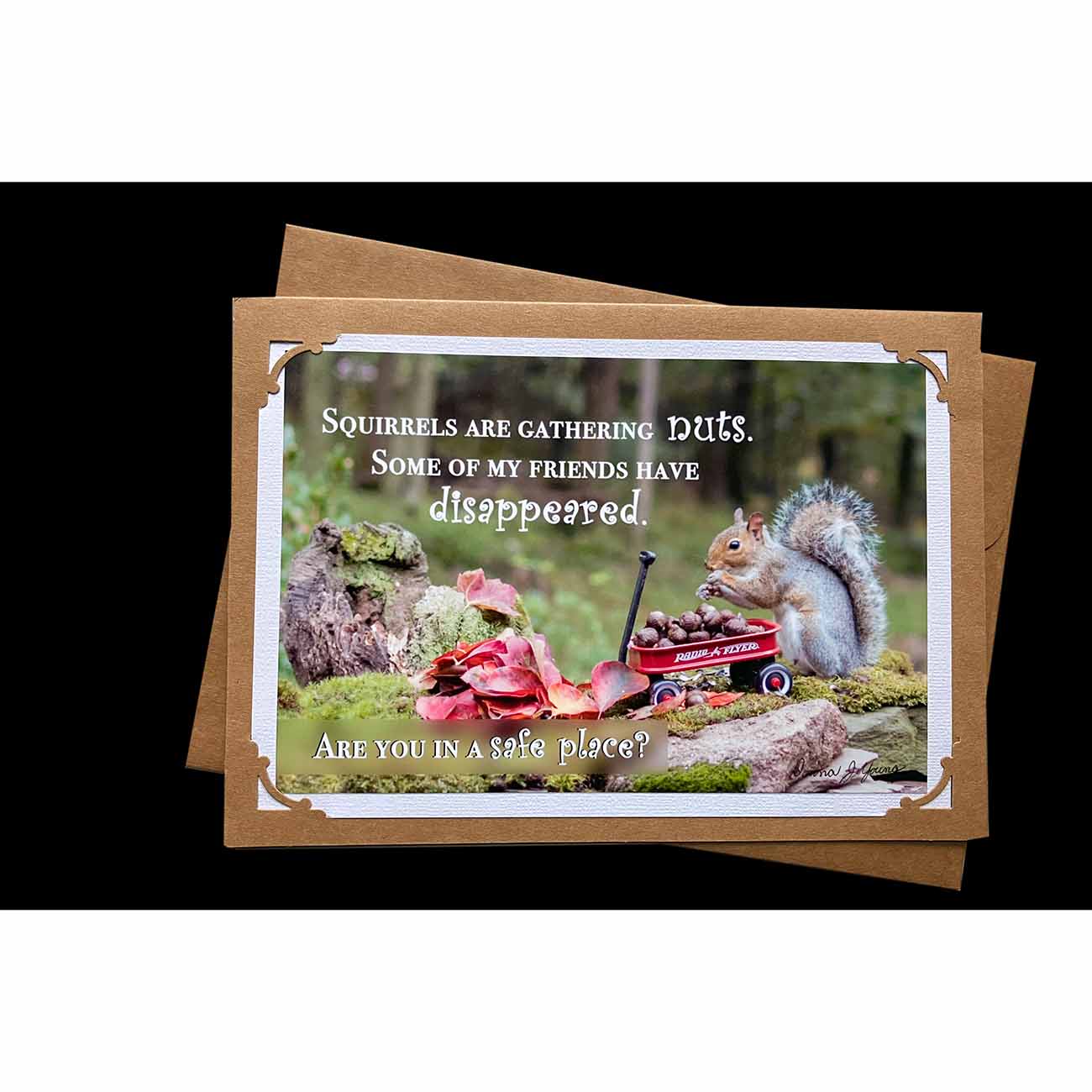
Original Photography
| 998 Left in Stock | ||

Original Photography
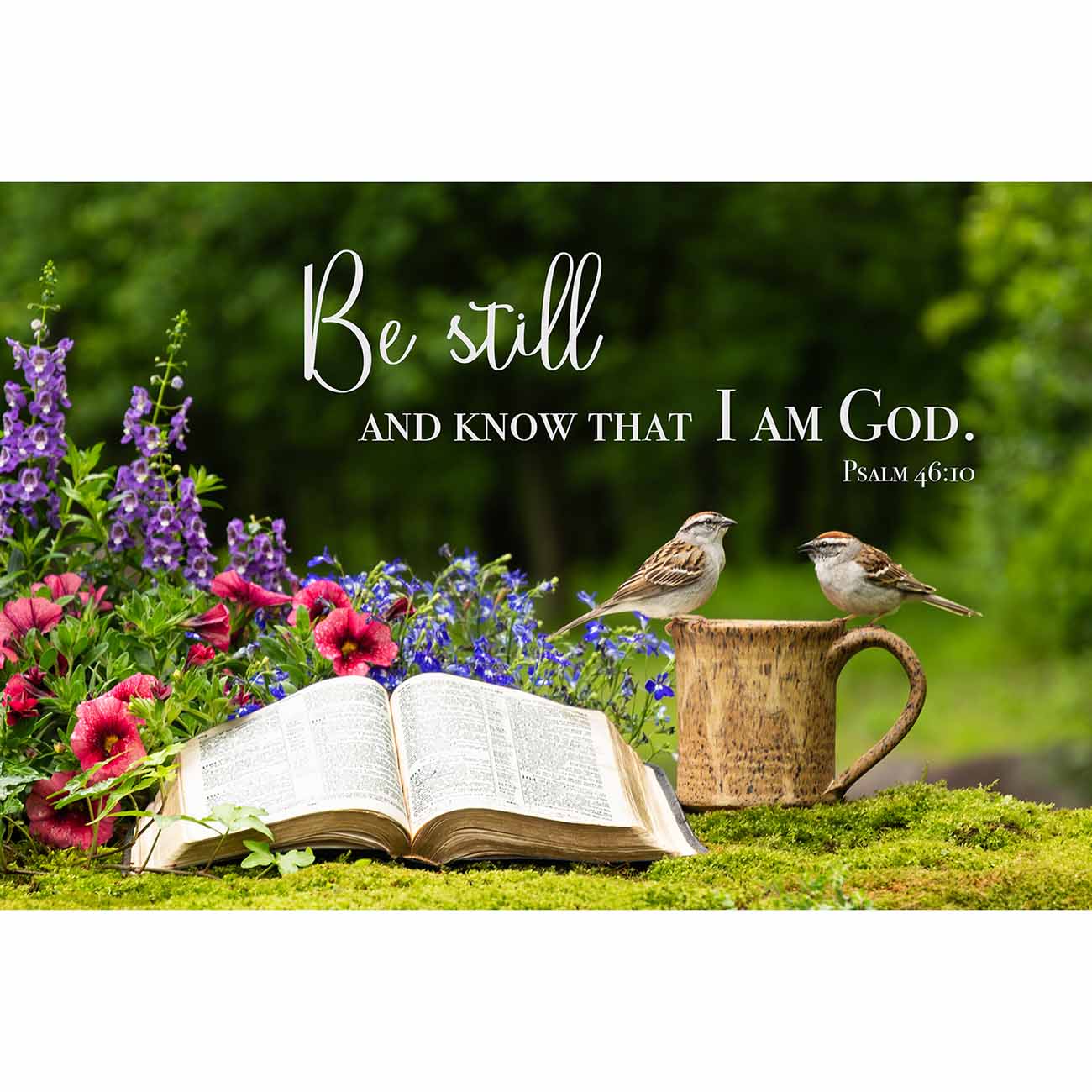
Giclée Canvas print, 20” x 30”
Original Photography, printed and hand stretched by AzarÉl Greetings.
Click here to see how our canvas prints are made.
| 3000 Left in Stock | ||

Original Photography

Giclée Canvas print, 16” x 20”
Original Photography, printed and hand stretched by AzarÉl Greetings.
Click here to see how our canvas prints are made.
| 1000 Left in Stock | ||
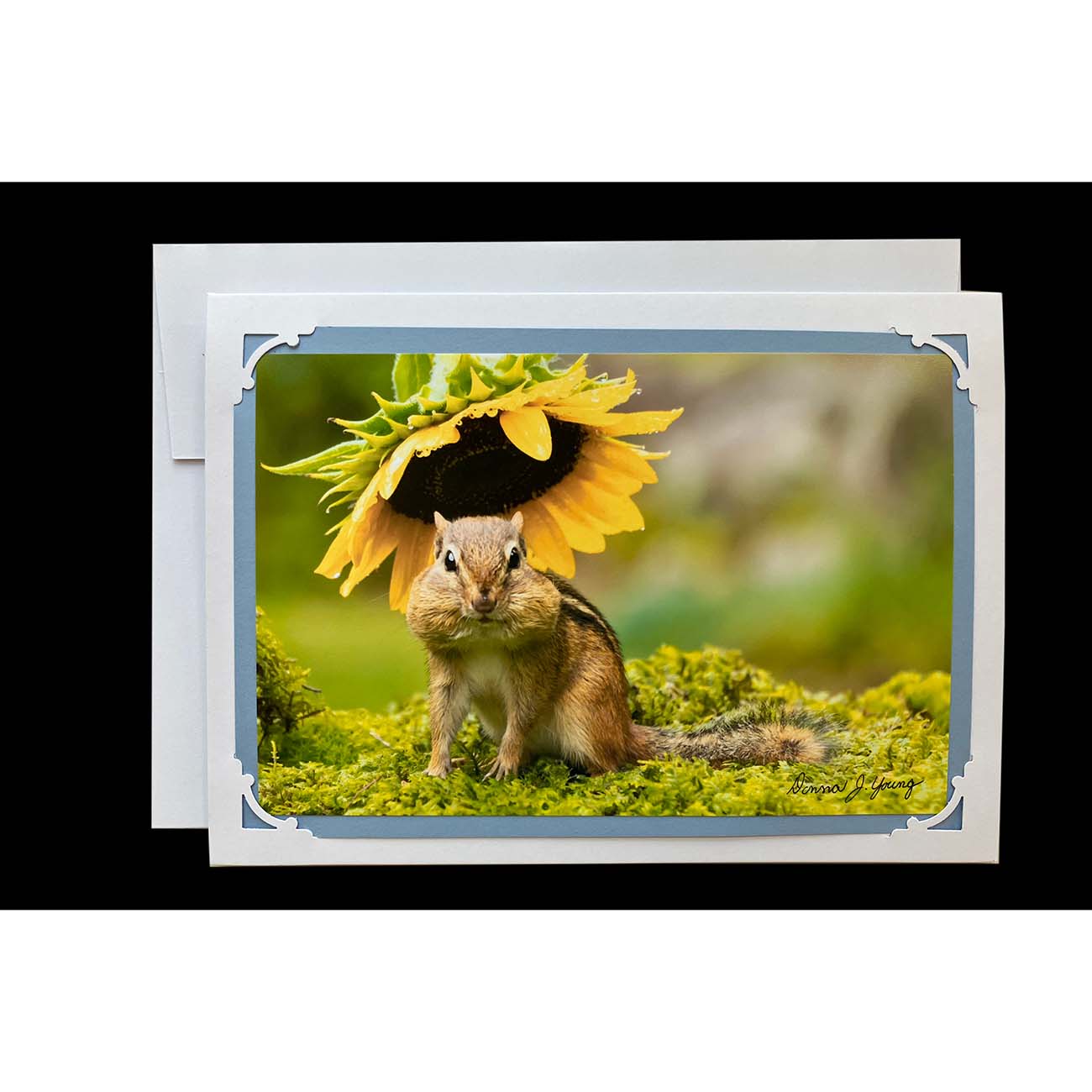
Original Photography
| 997 Left in Stock | ||
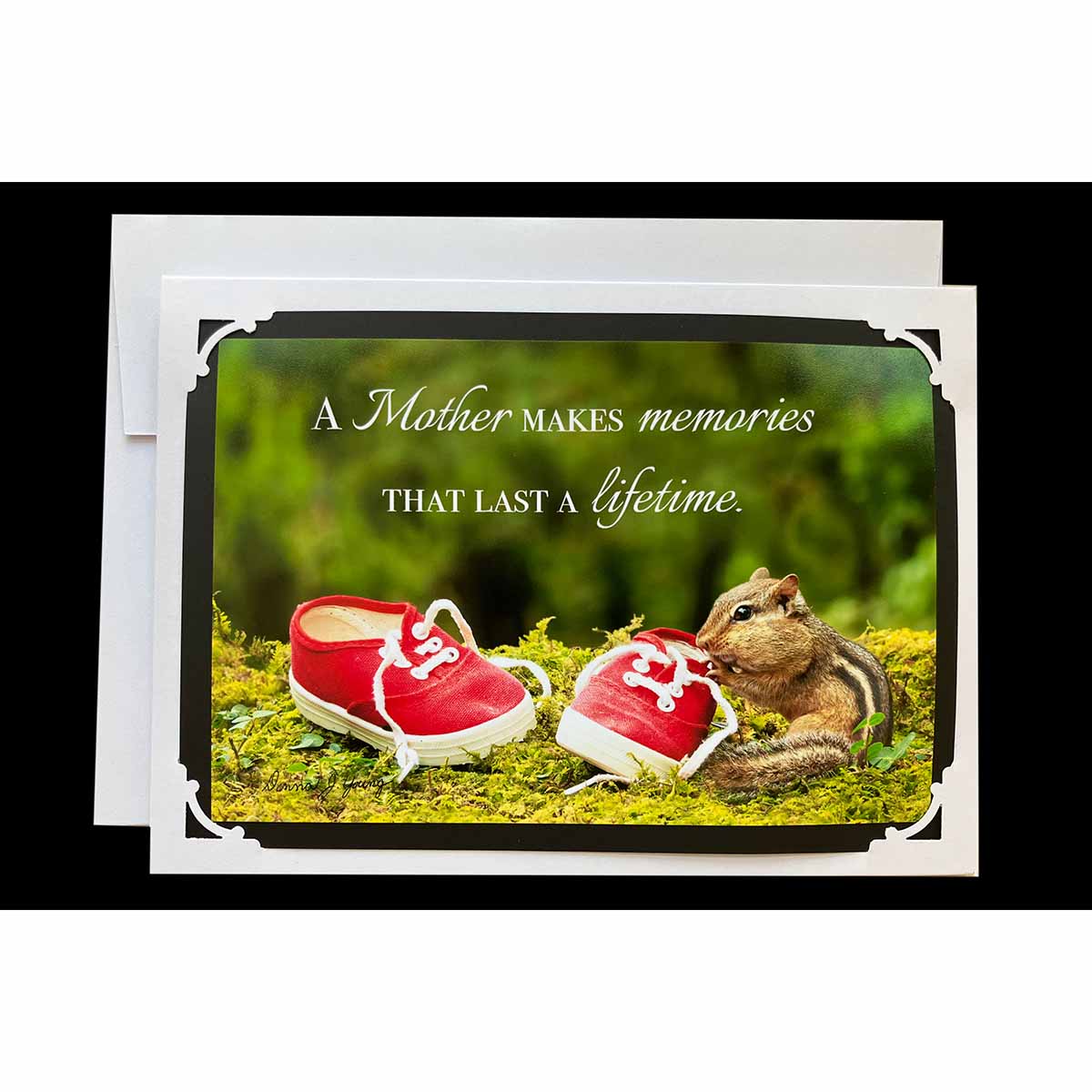
Original Photography
| 1000 Left in Stock | ||
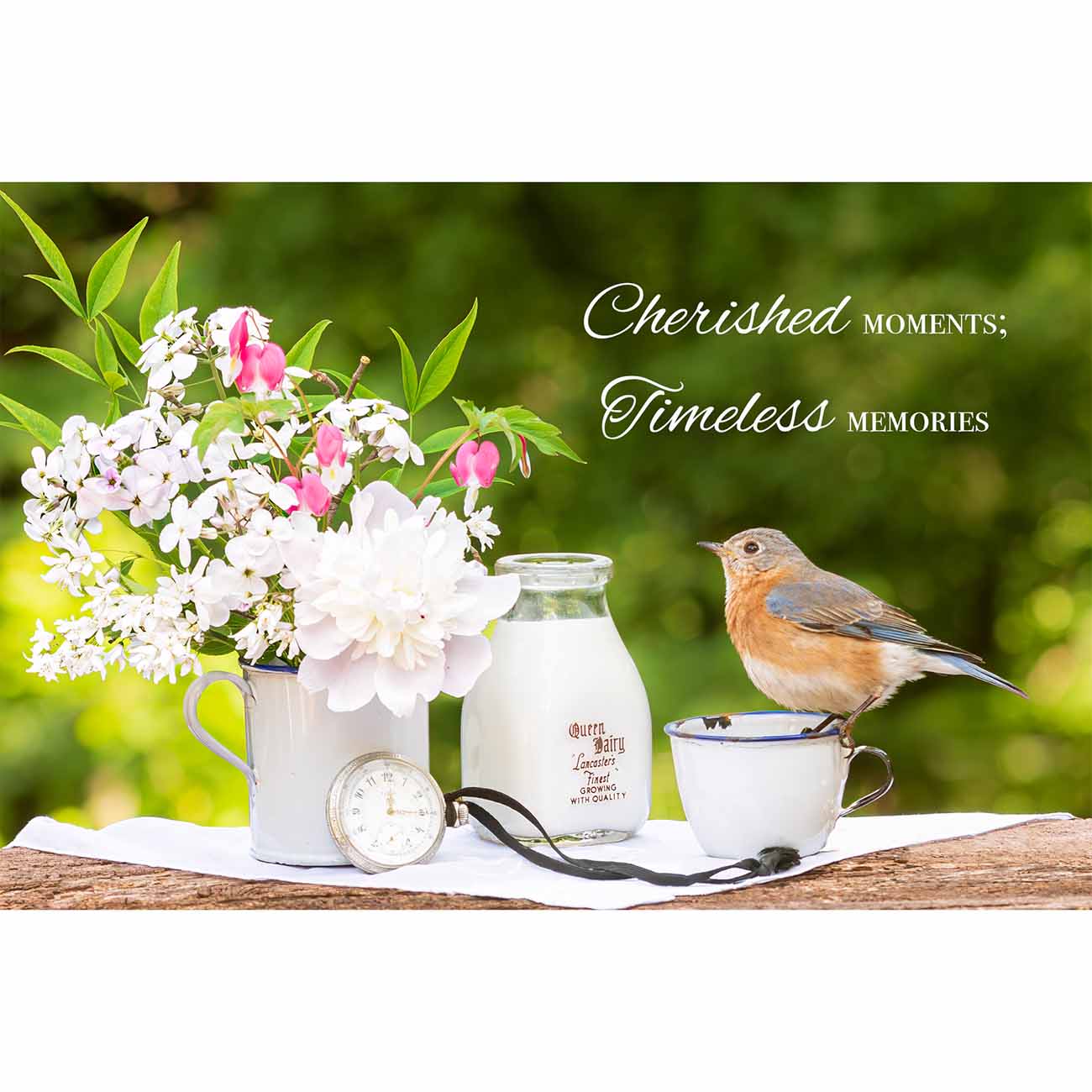
Giclée Canvas print, 20” x 30”
Original Photography, printed and hand stretched by AzarÉl Greetings.
Click here to see how our canvas prints are made.
| 3000 Left in Stock | ||

Giclée Canvas print, 16” x 24”
Original Photography, printed and hand stretched by AzarÉl Greetings.
Click here to see how our canvas prints are made.
| 1000 Left in Stock | ||
Original Photography
Click here to see how our canvas prints are made.
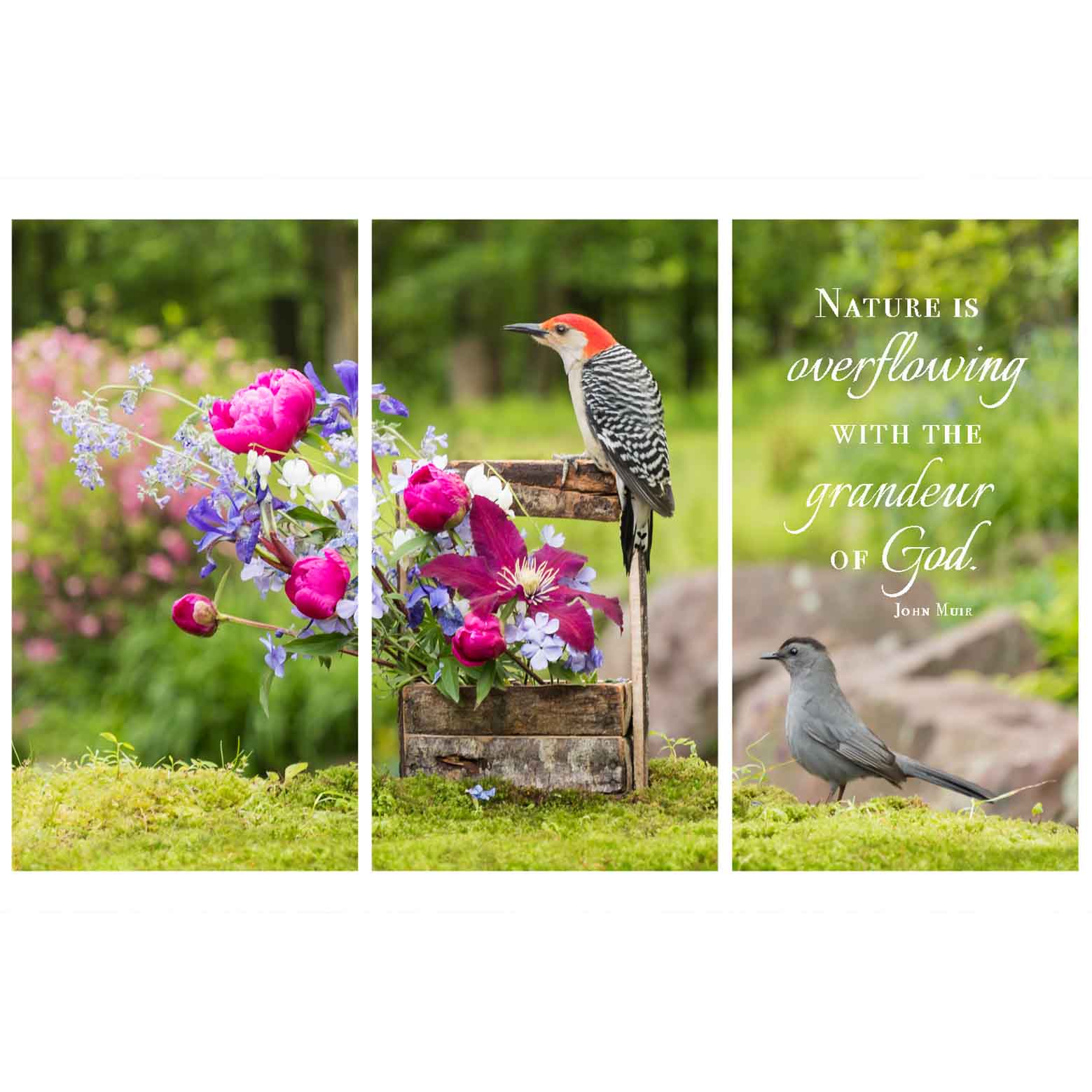
Giclée Canvas print, three panel triptych, 20" x 33" (w/ 3/4" gaps)
Original Photography, printed and hand stretched by AzarÉl Greetings.
| 3000 Left in Stock | ||

Giclée Canvas print, 16” x 24”
Original Photography, printed and hand stretched by AzarÉl Greetings.
Click here to see how our canvas prints are made.
| 1000 Left in Stock | ||