

As spring approaches here in the Pennsylvania woods, the silence of winter is replaced by a chorus that grows louder and longer each day. Perhaps you’ve been listening to it! This music brings such profound joy to me. One voice in particular always stops me in my tracks; though the singer often remains tucked away in the shadows. It is the hidden voice of spring: the Wood Thrush. Widely considered the virtuosic soloist of our Eastern forests, its song is often described as “liquid gold.” It is a haunting, flute-like melody that feels almost otherworldly. Listen to this beautiful songster!
There is a level of sophistication in this song that challenges everything we think we know about “simple” nature. This week, I’m exploring the staggering physical traits that make this music possible. We will look at the music theory behind the notes and the deep emotion behind the melody itself. Prepare to be amazed—because what’s happening in the trees is jaw-dropping.
I’m reminded of the old saying that the earth has music for those who listen.

Please visit “The Earth has Music” in our shop.
The Flute in the Throat
The first wonder is the instrument itself. Humans rely on a single voice box (the larynx). However, the Wood Thrush is equipped with a syrinx. This specialized organ sits deep in the chest where the airway splits into two tubes. [2]

This layout allows the bird to control two separate “voice boxes” at once. Imagine a flutist playing a perfect harmony with themselves. The Wood Thrush can literally sing two different melodies simultaneously. It weaves them into a haunting, flutelike chord.
This requires nearly 100% of the air passing through its body to be converted into sound. That is a staggering feat. For comparison, think about human singers. Even the best-trained humans “waste” roughly 90% to 98% of their breath. That air passes through our vocal folds without ever turning into a vibration. The Wood Thrush has a level of efficiency that puts our own anatomy to shame. [2, 9]
The “Sheet Music” of the Forest
The bird doesn’t just chirp at random; it follows the rules of music theory. To see this, scientists who study animal sounds use a tool called a spectrogram. Think of it as the “sheet music” of the forest. [8]

The Wood Thrush’s song isn’t a chaotic jumble. On the spectrogram, you can see precise, mathematical patterns. These clear, stacked lines are visual proof of the bird singing a duet with itself. They show perfect musical chords that form the backbone of all great music. [1]

Please visit “All the Air” in our shop.
Watching a bluebird, it’s easy to imagine them as tiny instrumentalists. While we use violins to create our art, the Wood Thrush carries its masterpiece internally, tuned to a mathematical perfection that humans spend lifetimes trying to master.
Beyond the harmony, there is the matter of incredible speed. While a human singer might manage a few notes per second, the Wood Thrush can produce up to 50 distinct notes per second. These notes are delivered so rapidly that our human ears perceive them as a single, shimmering “trill,” yet each one is a perfectly placed piece of a complex musical puzzle. [1, 9] Humans spend years in schools to learn this kind of precision. Yet, the Wood Thrush is born with this symphony already written in its soul. [1, 7, 9]
An Emotional Broadcast
We’ve been told that birdsong is just a “Keep Out” sign for rivals. But the science suggests something deeper. When this bird sings, it is broadcasting its emotions.
Researchers have found that birdsong is “contagious.” A call from one bird can physically trigger the urge to play in others. [5] Furthermore, when a bird listens, its brain reacts much like ours does. A rival hearing a great singer might feel a “horror movie” response of high alert. Meanwhile, a potential mate’s “reward center” will light up with dopamine. [4]
Most fascinating of all is the evidence of intrinsic joy. The Wood Thrush often sings when there is no territory to defend and no mate to find. It sings simply because the light is warm and the music is beautiful. [6]

Please visit “Music Gives Wings” in our shop.
The Signature of Design
As I look at this rhapsody, I find it impossible to believe these are accidental results of random mutations. How else do we explain a “simple” creature with a dual-voice organ, a master’s grasp of music theory, and a capacity for joy?
Evolutionary theory often struggles here. It suggests these melodies evolved because they were “frightening” to rivals. But as I listen to that perfect flute-like chord, I have to ask: why would a beautiful chord be scary? Why would a “horror movie” response be triggered by a beautiful aria? To me, those seem like bizarre explanations to avoid the obvious presence of beauty. [9]
I believe we are seeing Intelligent Design. The only explanation that satisfies both the science and the song is that these creatures were created by God. He equipped the Wood Thrush with the physical parts to vocalize and the creative skill to compose. When these birds fly into our backyards, they bring a piece of heavenly music to our ears. It is a witness to His artistry that I find impossible to ignore.


Please visit “Praise the Lord” in our shop.
References & Resources
Scientific Studies (The “Fine Print”):
From Answers in Genesis & Creation Perspectives:
Menton, D. “The Marvel of the Avian Syrinx.” Institute for Creation Research. (Details the dual-sound engineering of the bird’s vocal organ).


Giclée Canvas print, 16” x 24”
Original Photography, printed and hand stretched by AzarÉl Greetings.
Click here to see how our canvas prints are made.
| 3000 Left in Stock | ||

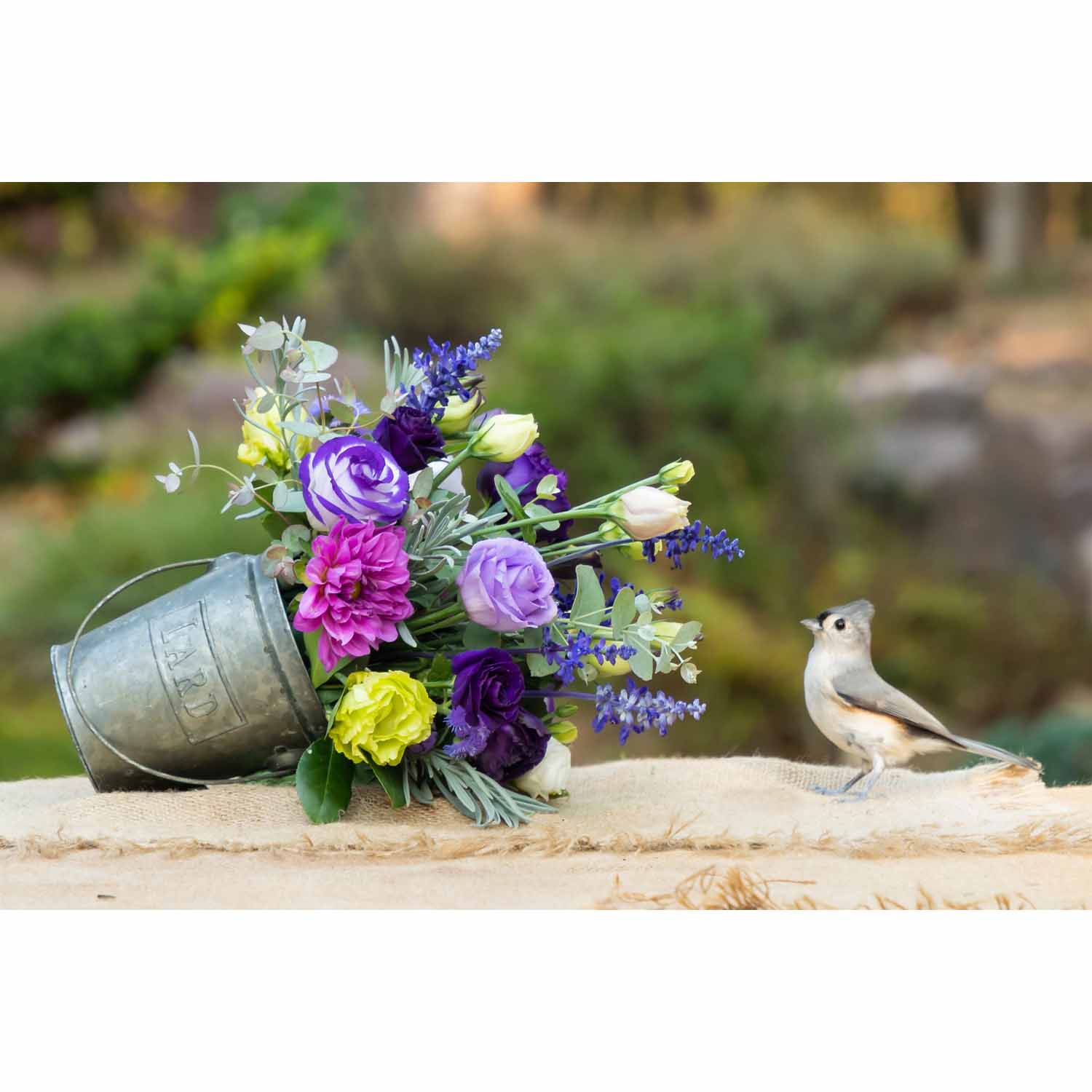
Giclée Canvas print, 20” x 30”
Original Photography, printed and hand stretched by AzarÉl Greetings.
Click here to see how our canvas prints are made.
| 3000 Left in Stock | ||

Original Photography
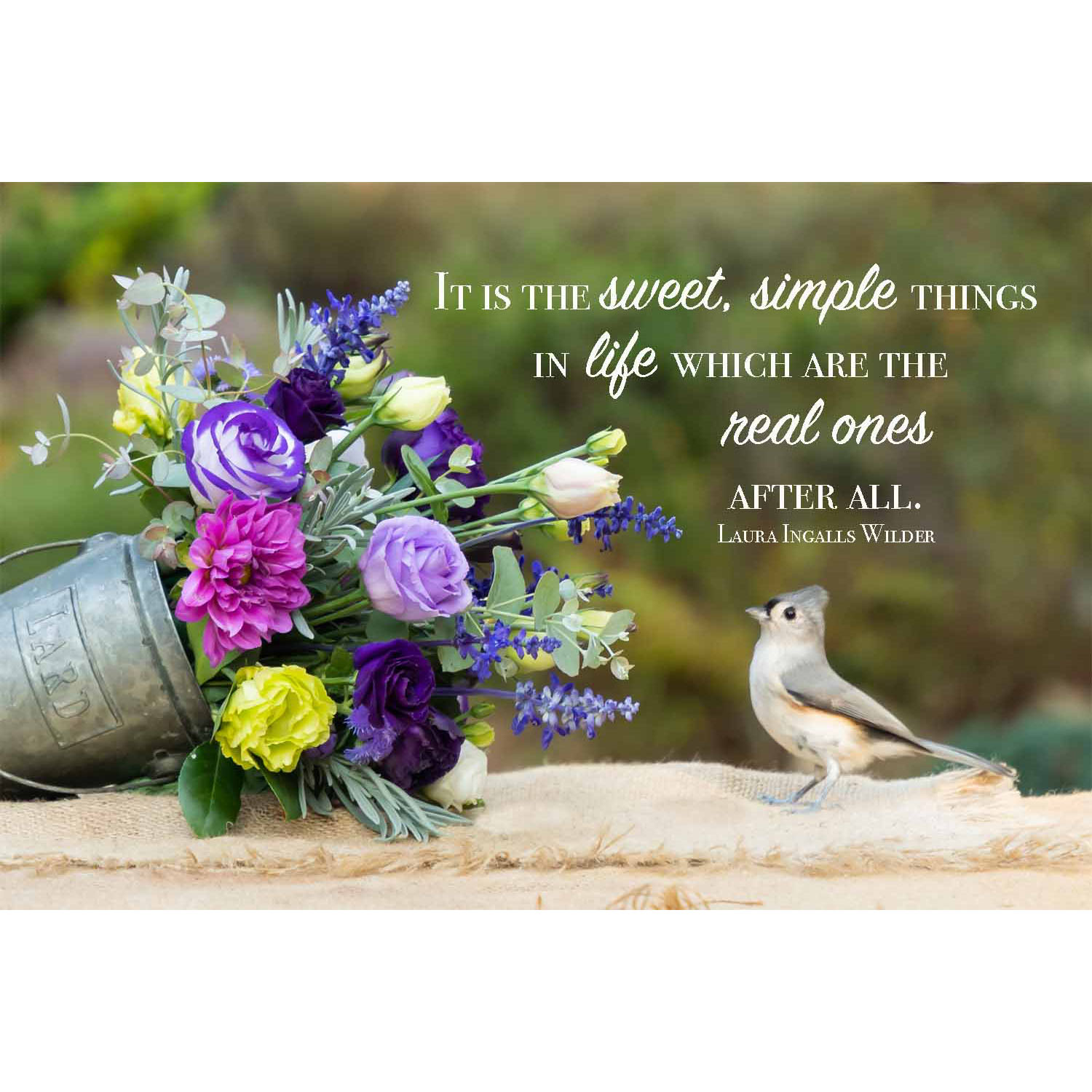
Giclée Canvas print, 16” x 24”
Original Photography, printed and hand stretched by AzarÉl Greetings.
Click here to see how our canvas prints are made.
| 2999 Left in Stock | ||
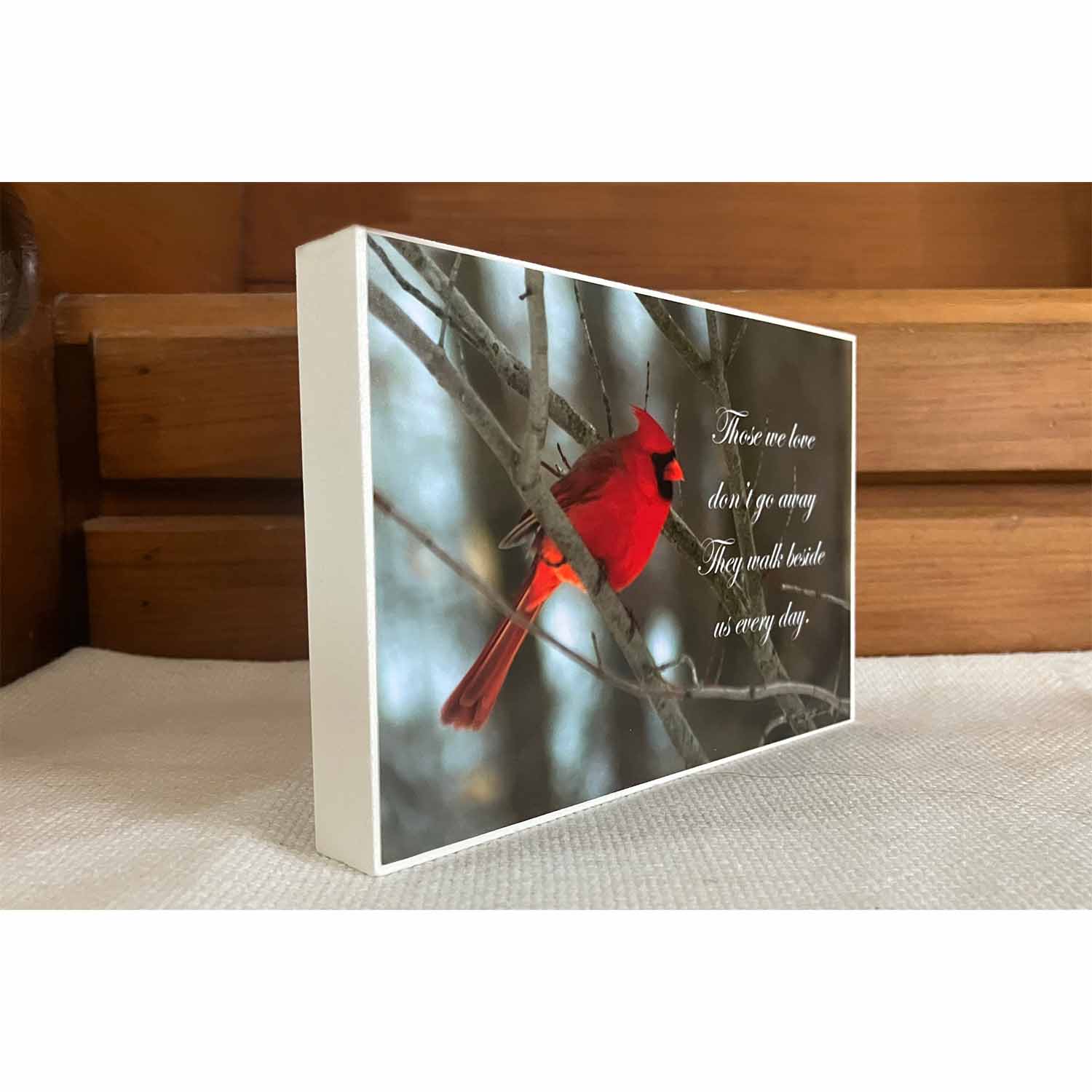
4" x 6" handmade photo block, Original Photography
| 998 Left in Stock | ||

Giclée Canvas print, three panel triptych, 30" x 49 1/2" (w/ 3/4" gaps)
Original Photography, printed and hand stretched by AzarÉl Greetings.
| 3000 Left in Stock | ||
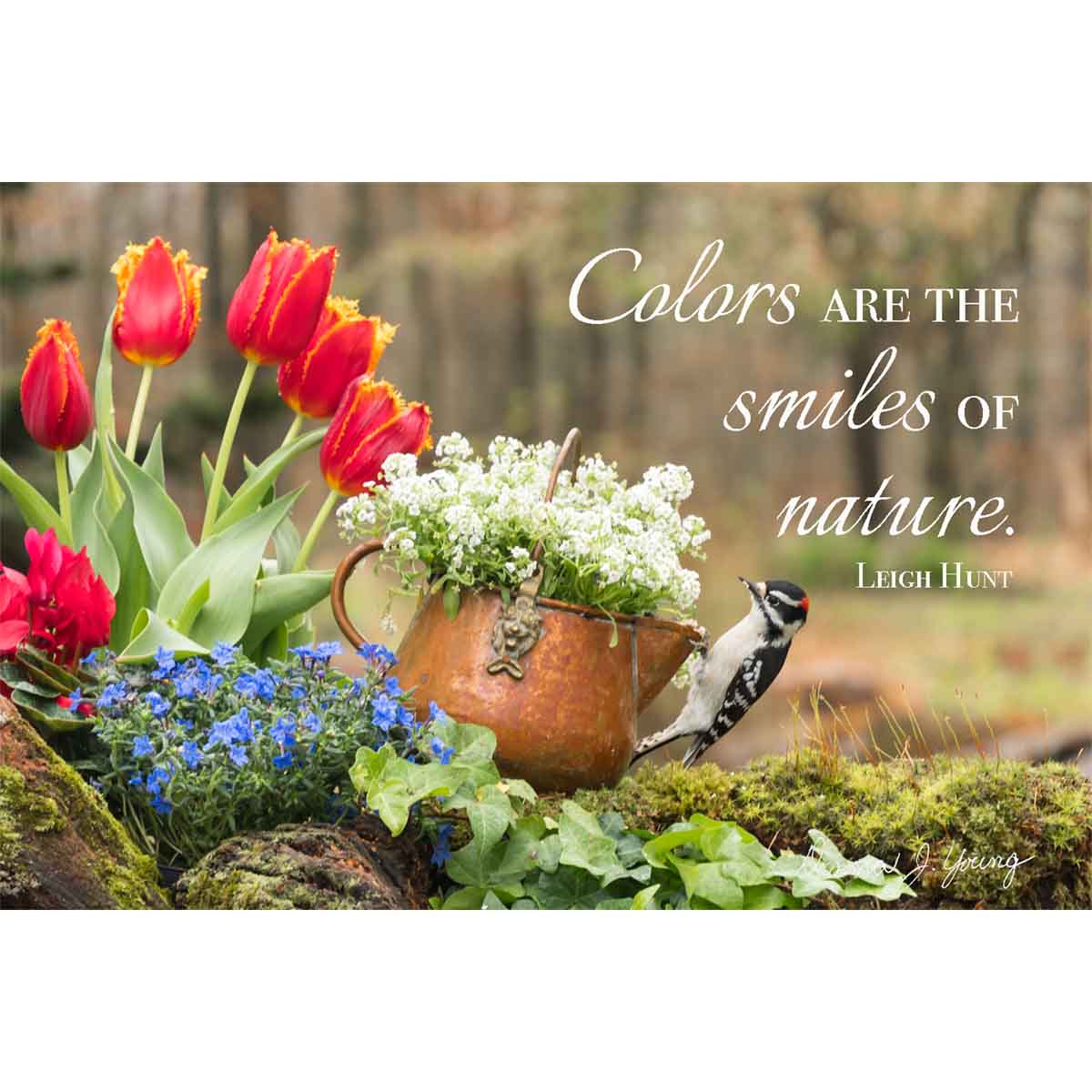
Giclée Canvas print, 16” x 24”
Original Photography, printed and hand stretched by AzarÉl Greetings.
Click here to see how our canvas prints are made.
| 3000 Left in Stock | ||

Original Photography
Click here to see how our canvas prints are made.

Giclée Canvas print, 16” x 24”
Original Photography, printed and hand stretched by AzarÉl Greetings.
Click here to see how our canvas prints are made.
| 1000 Left in Stock | ||
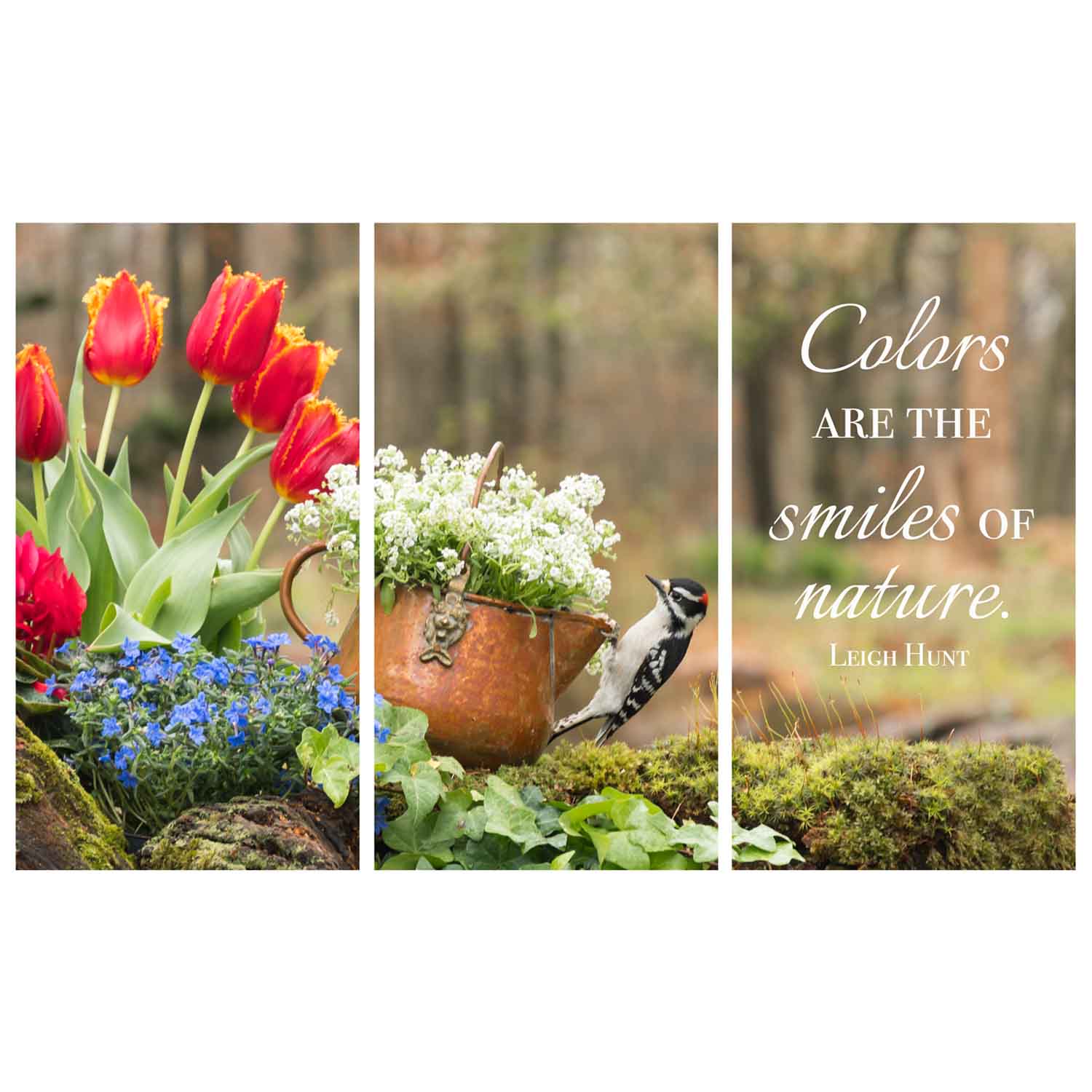
Giclée Canvas print, three panel triptych, 30" x 49 1/2" (w/ 3/4" gaps)
Original Photography, printed and hand stretched by AzarÉl Greetings.
| 3000 Left in Stock | ||


Giclée Canvas print, 20” x 30”
Original Photography, printed and hand stretched by AzarÉl Greetings.
Click here to see how our canvas prints are made.
| 1000 Left in Stock | ||

Original Photography
| 998 Left in Stock | ||

Giclée Canvas print, 20” x 30”
Original Photography, printed and hand stretched by AzarÉl Greetings.
Click here to see how our canvas prints are made.
| 3000 Left in Stock | ||